Just a moment…
Just a moment…
Many people searching for answers about hair loss turn to familiar supplements, hoping for thicker, healthier hair. Biotin is one of the most popular choices, showing up in countless bottles and gummies. Others are intrigued by ancient herbal remedies claiming to restore hair naturally. But what does the latest research actually say about these options—and what should you know before adding them to your routine?

Biotin, a B vitamin often found in hair and nail formulas, has a reputation for strengthening hair and nails. It’s widely used by people hoping to reverse hair loss, especially those recovering from illness or medical treatments like chemotherapy. However, recent expert warnings highlight some important caveats.
According to a report on ScienceDaily, many cancer patients try biotin supplements in hopes of helping hair regrow after treatment. But doctors warn that evidence for biotin’s effect on cancer-related hair loss is minimal. More concerning, biotin can interfere with certain laboratory blood tests—sometimes masking cancer markers or skewing important results. This interference could unintentionally affect treatment decisions or delay critical diagnoses.
Anyone taking significant doses of biotin should always let their doctor and laboratory know before having blood work. This is especially vital for people undergoing cancer care or monitoring for serious health conditions, where accuracy in diagnostic tests is essential.
For people without major medical issues, there’s also no strong evidence that biotin supplementation helps with common hair thinning—unless there is a true biotin deficiency, which is rare. Most healthy diets supply enough biotin for normal bodily functions, including maintenance of healthy hair and nails.

While many modern supplements focus on vitamins and minerals, researchers are also taking a fresh look at traditional remedies for hair health. Polygonum multiflorum, a root used in Chinese medicine for centuries, is attracting scientific attention for its possible effects on hair loss.
Reports in ScienceDaily and another recent article describe how this herb may impact hair biology through several mechanisms. Early-stage studies suggest that Polygonum multiflorum might:
Interestingly, these effects echo claims made in traditional herbal medicine about restoring dark, healthy hair. However, these findings are mostly preliminary and it's not clear how well they translate to real-world results, especially outside of controlled research environments. Most studies so far have focused on biological mechanisms, not large numbers of people. Anyone considering herbal supplements should consult with a healthcare professional, especially if taking other medications.
When it comes to supporting the normal maintenance of hair, skin, and nails, nutrients like zinc have a recognized role. Zinc is involved in key biological processes that help maintain the structure and health of these tissues. That’s why zinc is included in many hair, skin, and nail supplements.
The Aurebia Vegan Gummies formula contains zinc, along with biotin and vitamin D3. The gummies are designed to fit easily into your daily routine: take one in the morning and one in the evening. The introductory 90-day supply includes three bottles and is available for $99 (no automatic subscription during this period; see the shop for details).
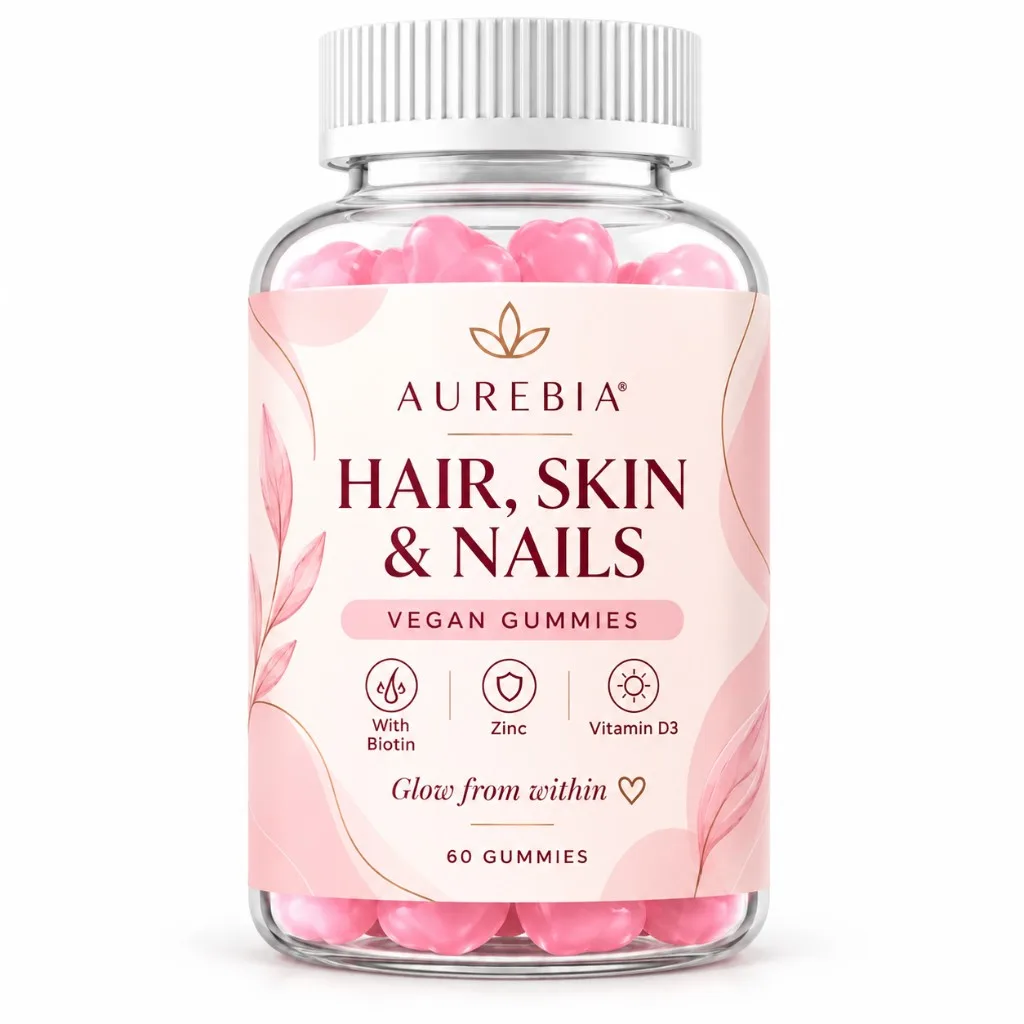
However, for nutrients like biotin, remember: unless you have a deficiency, extra supplementation isn’t likely to dramatically change your hair. And if you’re taking high-dose biotin, always alert your healthcare provider before any blood tests, as biotin can interfere with laboratory results.

For most people who are not deficient, there’s little evidence that extra biotin will make hair grow faster or thicker. Unless a deficiency is confirmed, biotin supplements usually don’t change hair outcomes.
While early studies suggest this herbal root may interact with hair growth pathways, there is not enough evidence yet to recommend it as a proven treatment for hair loss. Most findings are based on lab or animal research, not large human trials.
If you are taking biotin supplements—especially at high doses—tell your doctor and laboratory before any blood tests. Biotin can affect test results, which is especially important for anyone with serious health conditions.
Zinc is an essential mineral that contributes to the maintenance of normal hair, skin, and nails. That’s why it’s included in many supplements designed for these purposes.
If you’re not sure where to start, Aurebia can help. Answer a few short questions to see the recommended routine and product-order path for your hair, skin, and nail goals: take the Aurebia quiz here.

4 min read · OCT 21, 2026

5 min read · OCT 19, 2026

5 min read · OCT 18, 2026