Just a moment…
Just a moment…
Many people reach for biotin supplements when faced with hair shedding, especially after illness or medical treatment. But recent reports highlight risks that deserve attention—particularly for people undergoing cancer care. If you’re considering biotin for your hair, there’s more to know than you might expect.

Biotin, also known as vitamin B7, is widely marketed for its supposed benefits to hair and nails. Shelves are stocked with gummies and pills promising fuller hair, and it’s no wonder: hair thinning can be distressing, especially after stressful events or treatments. For cancer patients experiencing hair loss from chemotherapy, biotin often seems like an easy, natural fix.
But doctors are now reinforcing what careful research has long suggested—biotin has not been proven to restore hair lost due to cancer treatment. Marketing claims far outpace the evidence, especially for severe or medically related hair loss. While biotin deficiency can cause hair and nail changes, true deficiency is rare. Most people get enough from a balanced diet, and extra supplementation isn’t likely to help if your levels are already adequate.
What’s less well known—and far more concerning for people facing serious illness—is biotin’s ability to disrupt certain blood tests. According to a May 2026 ScienceDaily report, doctors are increasingly warning that biotin supplements can distort the results of key lab markers. For cancer patients, this can be dangerous, potentially masking problems or making it harder for doctors to monitor treatment progress.
Biotin can interfere with lab tests that use biotin-based technology, including some hormone, thyroid, and cancer marker tests. High levels of supplemental biotin in the bloodstream may lead to inaccurate results—sometimes falsely reassuring, sometimes misleadingly alarming. For anyone undergoing regular bloodwork, this could affect medical decisions.

While biotin’s benefits for most hair loss types remain unproven, scientific interest in traditional remedies is rising. Polygonum multiflorum, a root used for centuries in Chinese medicine, has caught researchers’ attention for its possible effects on hair loss.
Recent reports suggest this herbal root may act on several fronts: blocking hormones that can shrink hair follicles, activating natural hair-growth signals, protecting follicles from damage, and increasing scalp blood flow. According to ScienceDaily’s June 2026 report and their February 2026 article, these effects echo both ancient uses and modern biological understanding.
However, these are early findings. Most of the research remains preliminary, often based on lab studies or animal models. Reliable, large-scale human trials are still needed to know if Polygonum multiflorum can safely and effectively help with hair loss in real people.
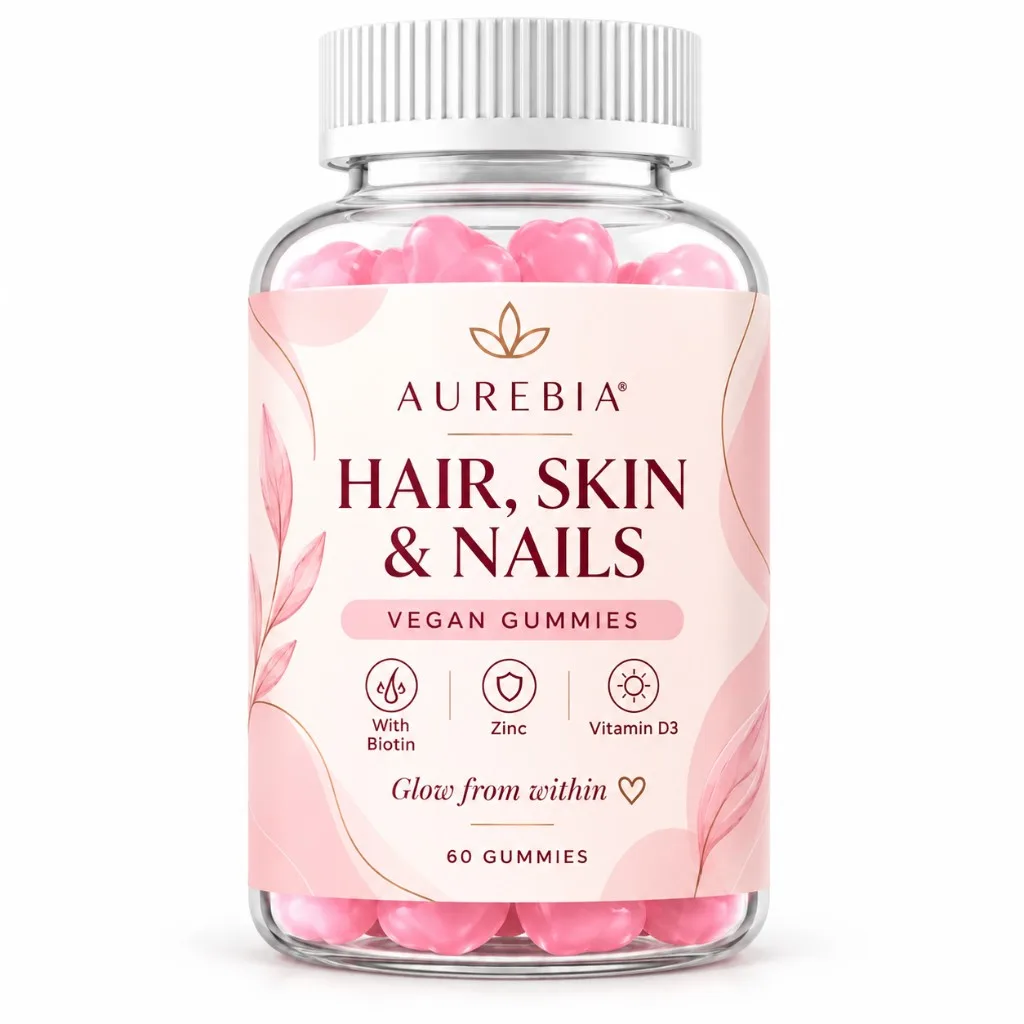
At Aurebia, we believe in transparency and evidence. Our vegan hair, skin, and nails gummies contain three key nutrients:
The daily routine is simple: one gummy in the morning, one in the evening. A 90-day supply (three bottles) is currently available for $99, with no automatic subscription. Learn more at aurebia.health/product.
One thing to remember: zinc contributes to the maintenance of normal hair, skin, and nails. If you’re using supplements containing biotin, especially at levels found in Aurebia, make sure your healthcare provider and laboratory staff know before any blood tests, as biotin can interfere with some lab results.

Current reports and expert opinion suggest that biotin supplementation has not been shown to help restore hair lost during cancer treatment.
Yes, biotin in supplements can interfere with some blood tests and give inaccurate results. Always inform your doctor and lab before having tests done.
It’s a root used in Chinese medicine, now being studied for its effects on hair loss. While early research is promising, it’s mostly preliminary and not yet proven in large-scale human trials.
Zinc. Zinc contributes to the maintenance of normal hair, skin, and nails. The gummies also contain biotin and vitamin D3.
See a healthcare professional for a thorough evaluation. Hair, skin, and nail changes have many possible causes and should not be self-diagnosed.
If you’re wondering where to start, Aurebia offers a quick online quiz to help you find a routine that fits your hair, skin, and nail goals. Answer a few questions and see your recommended path at aurebia.health/quiz.
4 min read · OCT 21, 2026

5 min read · OCT 20, 2026

5 min read · OCT 18, 2026