Just a moment…
Just a moment…
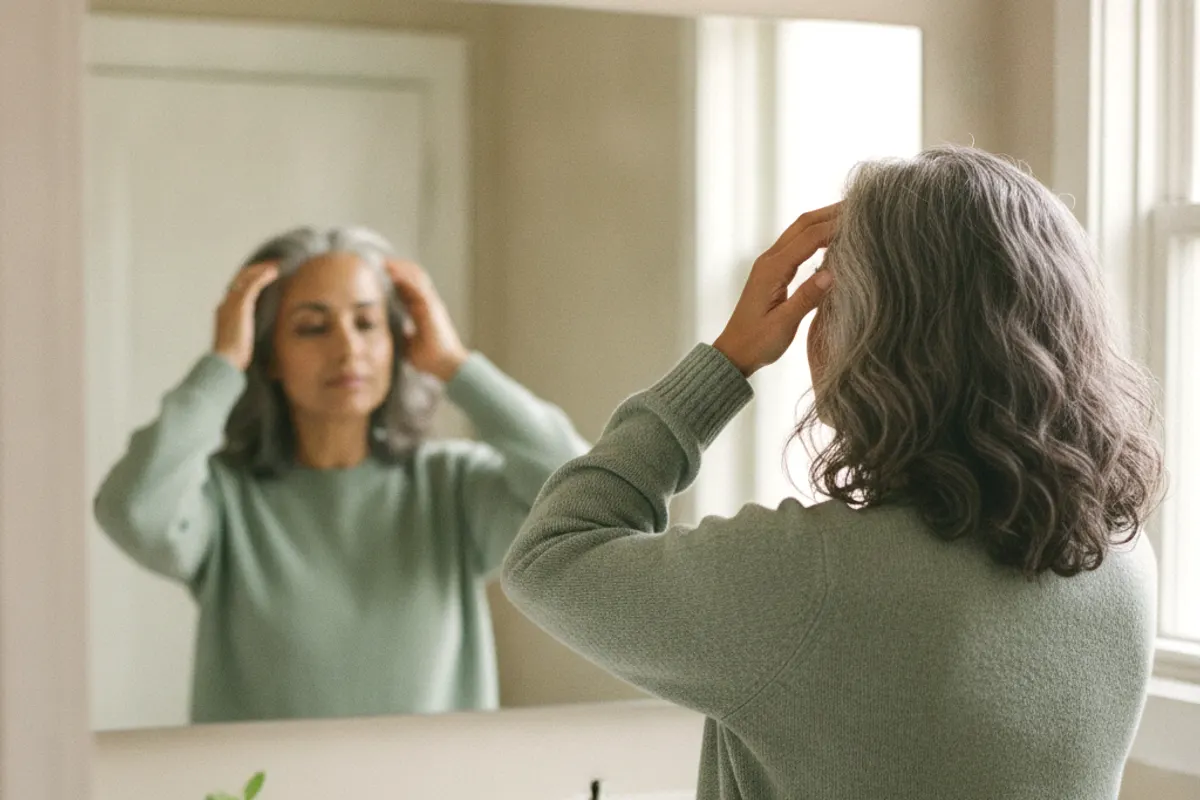
As we age, finding more hair in the brush or spotting a widening part can be unsettling. While hair thinning is a normal part of getting older for both men and women, setting realistic expectations—and adopting gentle, supportive routines—can make all the difference to confidence and comfort.

Thinner hair is a natural result of changes in our hair follicles, hormones, and overall health as the years pass. Follicles slowly shrink, new hair grows in finer, and the growth cycle itself shortens. For many, heredity is the biggest influence—a factor that affects both women and men, though patterns differ.
Certain medications, health conditions, stress, and even rapid weight changes can accelerate hair loss, but most people will notice some gradual reduction in hair density as part of normal aging. It’s helpful to remember: for the majority, this is not a disease, but a sign of time marching forward.
There’s no shortage of products or headlines promising to “reverse” thinning hair. But experts agree that simple, gentle routines usually serve aging hair best. These include:
It’s natural to wonder if you’re missing a secret vitamin for stronger hair. In truth, the evidence for most supplements is limited—especially for people who don’t have a nutritional deficiency.
Some hope has been pinned on ingredients like biotin, but recent reports urge caution—not only is clear benefit lacking for age-related thinning, but biotin can also interfere with lab tests and certain medications. For example, some cancer-care experts warn that biotin supplements have little proven value for hair regrowth after treatment and may disrupt vital blood test results. Read the full ScienceDaily report.
Other herbal remedies, such as Polygonum multiflorum (a root used in traditional Chinese medicine), are being actively studied for their effects on hair follicles, but robust evidence in everyday aging is still pending. Claims of “regrowth” should be met with a healthy dose of skepticism until more is known. For those curious, here's a look at emerging research.
Hair that thins over decades is unlikely to be restored to its teenage fullness with products or supplements alone. Nourishing your scalp, minimizing breakage, and managing stress can help you keep more of what you have. If sudden, patchy, or severe hair loss happens, always consult a healthcare provider—such symptoms may point to a treatable condition.
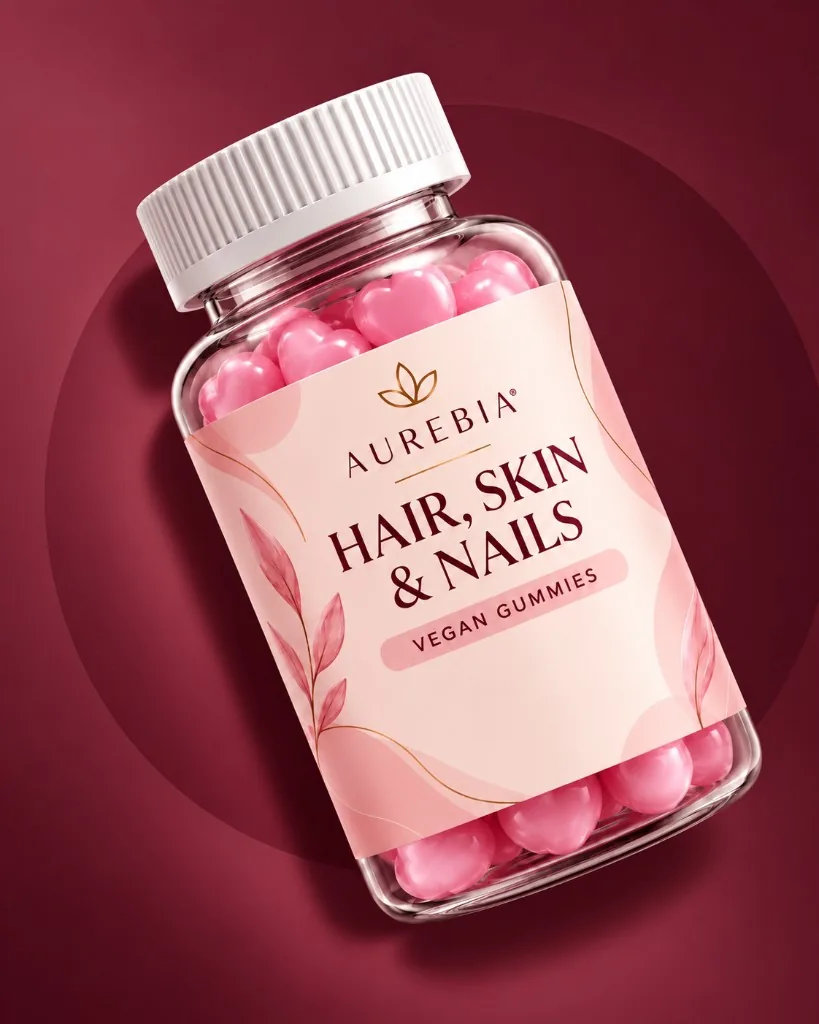
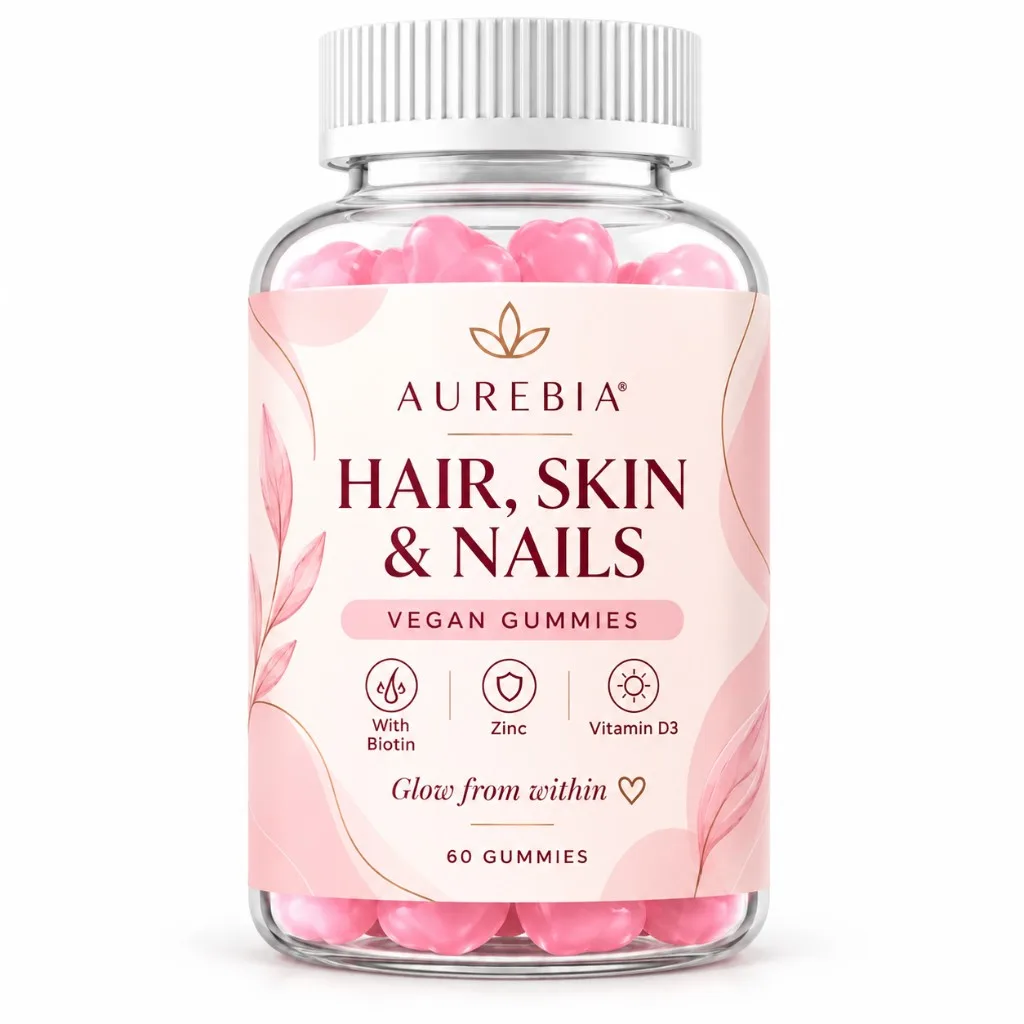
For those looking to nourish their routines with essential nutrients, Aurebia offers vegan gummies formulated with biotin (5 mg), zinc as citrate (10 mg), and vitamin D3 (10 µg) per daily serving. Zinc, in particular, contributes to the maintenance of normal hair, skin, and nails—an important foundation as you age.
The routine: one gummy in the morning, one in the evening. Each introductory order includes three bottles (a 90-day supply) for $99, with no automatic subscription. Learn more at /product.

No supplement will fully reverse age-related thinning, but nutrients like zinc contribute to the maintenance of normal hair. Supplements are most effective if a deficiency exists.
Biotin is safe for most people but can interfere with certain laboratory tests, like some for hormones or cancer markers. Let your healthcare provider know about any supplements before bloodwork.
Some traditional remedies are being studied, but strong evidence for everyday age-related thinning is lacking. Use caution and consult your healthcare provider if you are considering new supplements or herbs.
Gentle styling, volumizing products, avoiding heavy conditioners near the roots, and a haircut that adds lift can all help hair look thicker.
If hair loss is sudden, patchy, or accompanied by other symptoms like fatigue or rash, see a healthcare provider. Many causes are treatable if identified early.
If you want gentle nutritional support but don’t know where to start, answer a few quick questions and see which Aurebia routine aligns with your hair, skin, and nail goals at /quiz.

4 min read · OCT 21, 2026

5 min read · OCT 20, 2026

5 min read · OCT 19, 2026