Just a moment…
Just a moment…
Type “biotin” into any search engine and you’ll be met with thousands of promises: this B vitamin will “restore,” “regrow,” or “transform” your hair, skin, and nails. But how much of that hype stands up to genuine science? Here’s what the evidence—and leading experts—actually say about biotin, and what’s just another online myth.

Biotin is a water-soluble B vitamin (sometimes called vitamin B7) that plays a key role in normal metabolism. It helps your body turn food into energy and supports the health of your nervous system. Because biotin is found in many everyday foods—such as eggs, nuts, seeds, and vegetables—most healthy people easily meet their daily needs without extra supplementation.
| Claim | Supported by Science? | Notes |
|---|---|---|
| Biotin reverses hair loss in everyone | No | Only effective for rare deficiency |
| Biotin restores hair after cancer therapy | No | Little evidence; may interfere with tests (ScienceDaily) |
| Biotin supplements improve healthy nails | Rarely | May help if deficiency exists, otherwise unproven |
| Zinc supports normal hair, skin, nails | Yes | Well established with authorized claims |

A bad hair day is easy to blame on your biology—but as recent reporting notes, our emotional connection to hair makes us vulnerable to quick fixes. The allure of a simple vitamin solution, plus persuasive marketing online, fuels the popularity of biotin even when the research doesn’t back up dramatic claims.
Biotin is essential for normal bodily functions and in rare cases of deficiency, supplementation is important—and may help with brittle hair and nails. But in people with no shortage, current evidence does not support biotin as a universal remedy for hair thinning, breakage, or hair loss from chemotherapy.
More concerning, high-dose biotin can interfere with certain laboratory tests (including thyroid and cardiac markers, and crucial cancer-related tests). Anyone taking biotin supplements—especially at doses higher than typically found in food—should let their doctor or laboratory know, particularly before lab testing.
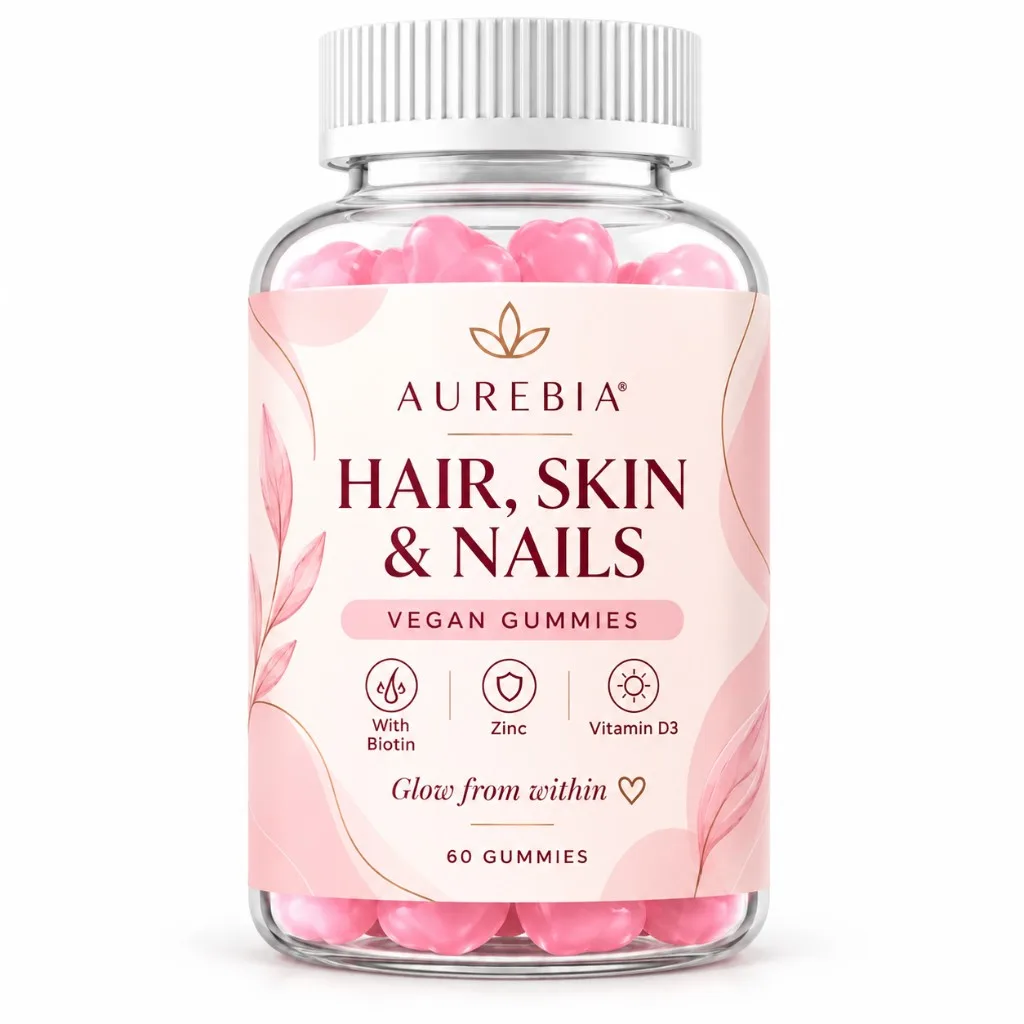
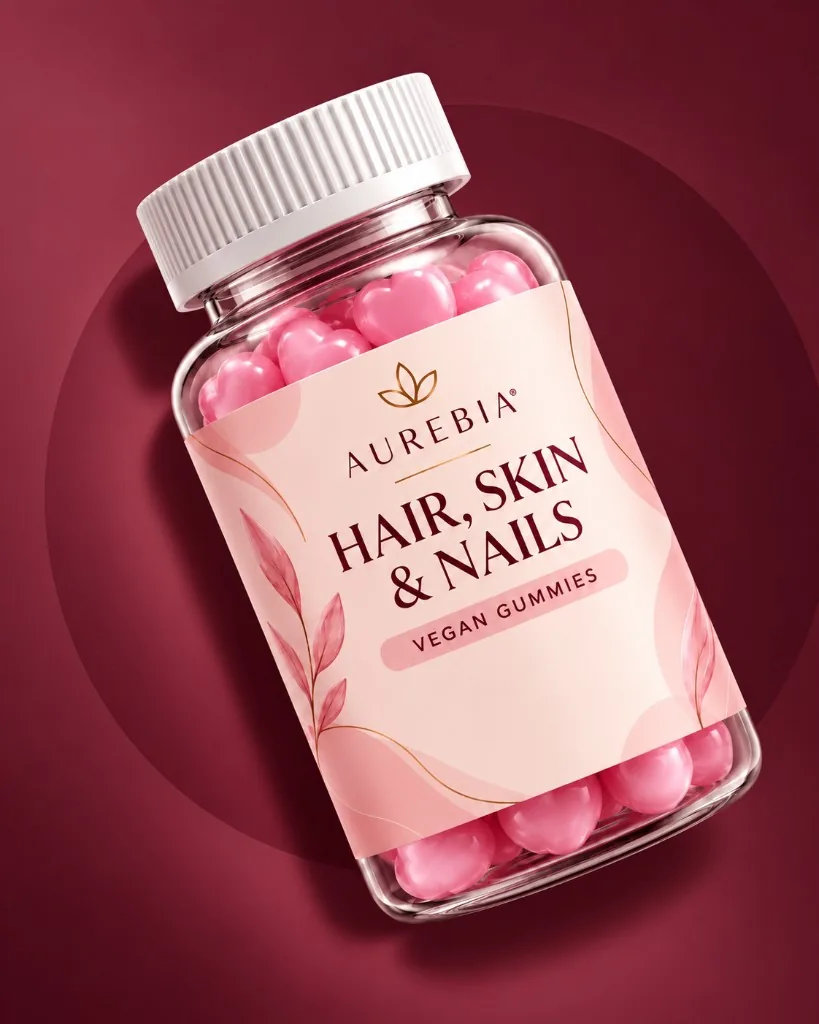
Aurebia’s Vegan Gummies provide a blend of biotin (5 mg), zinc as citrate (10 mg), and vitamin D3 (10 µg) in a two-a-day routine. While biotin gets lots of attention online, it’s zinc—not biotin—that is authorized to contribute to the maintenance of normal hair, skin, and nails. The formula is the same for everyone, with a simple morning and evening routine. A 90-day introductory pack contains three bottles for $99, with no automatic subscription in the first period. Explore Aurebia’s product here.
Only if you have a real deficiency, which is rare. For most people eating a varied diet, extra biotin is not proven to boost hair growth.
There’s little evidence it helps in this situation, and it may interfere with important lab results. Always discuss any supplements with your medical team if you are under cancer care. (ScienceDaily)
No. Most people naturally get enough biotin from food. Supplements mainly help those with a diagnosed deficiency.
Zinc has an established role in maintaining normal hair, skin, and nails. It’s included in the Aurebia Vegan Gummies at 10 mg per daily serving.
Large doses of biotin can interfere with some blood tests, potentially leading to misdiagnosis or missed results. Tell your provider about any supplements before laboratory testing.
If you’re curious which routine fits your goals, Aurebia offers a short quiz to help you get started. Take the quiz here and learn which plan fits your needs.

4 min read · OCT 21, 2026

5 min read · OCT 20, 2026

5 min read · OCT 19, 2026