Just a moment…
Just a moment…
If you’re thinking about taking biotin supplements to help with hair loss—especially after cancer treatment—there are a few things to consider first. Many people reach for biotin, sometimes called vitamin B7, because it’s often marketed for hair and nail strength. But doctors are warning that biotin isn’t a magic fix for hair lost during cancer care, and in some cases, it may even create new problems by interfering with important lab tests.

Biotin has gained popularity for its role in supporting healthy hair and nails. The idea is simple: if your hair is thinning, a biotin supplement might help it grow back thicker or faster. This belief is especially common among people who have lost their hair during cancer treatments and are hoping for a quick recovery.
However, according to a report described by ScienceDaily, there is little evidence that biotin supplementation actually helps with hair loss caused by cancer therapies. While biotin is an essential nutrient for normal health, supplementing with extra amounts doesn’t appear to restore hair lost from medical treatments.
This same report highlights a major concern: biotin can interfere with certain laboratory blood tests. This isn’t just a theoretical risk. Biotin—especially at higher doses found in many supplements—can distort results for important blood markers. This might lead to incorrect readings about thyroid function, hormone levels, and even cancer markers. In practice, that means a doctor might miss an important change in your health, or misinterpret your progress, if they don’t know you’re taking biotin.
Cancer survivors and those actively receiving treatment are particularly vulnerable because doctors rely on regular blood work to monitor disease status and guide therapy decisions.

Biotin is a water-soluble vitamin that your body needs in small amounts. It helps enzymes break down fats, carbohydrates, and proteins. True biotin deficiency is rare in people who eat a balanced diet. Most people get enough biotin from food, and adding more doesn’t necessarily bring extra benefits—especially if you don’t have a deficiency.
When it comes to keeping your hair, skin, and nails healthy, nutrition plays a role, but it’s not the only factor. Some nutrients, such as zinc, have authorized claims for their role in maintaining normal hair, skin, and nails. But for most healthy adults, a varied diet provides what your body needs for normal upkeep. Supplements can be helpful for those with a deficiency or increased needs, but taking more isn’t always better.
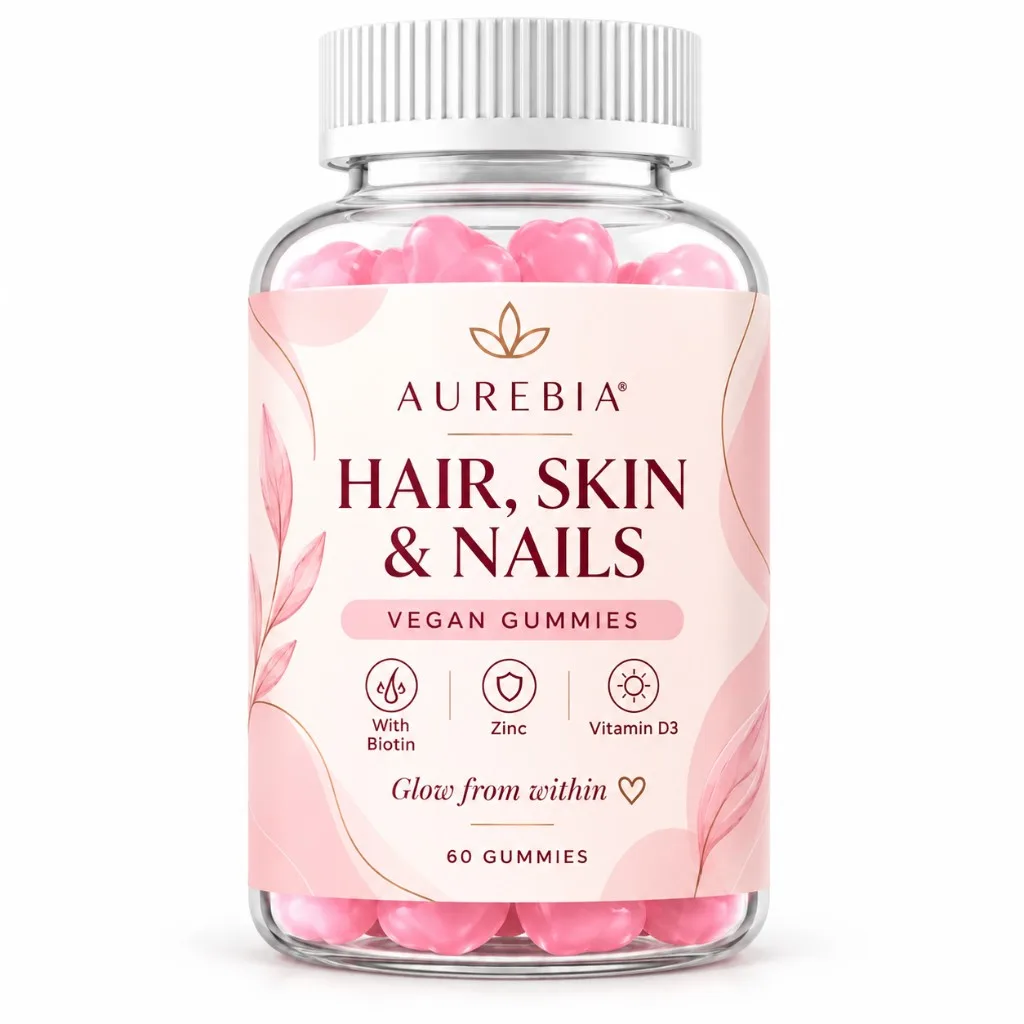
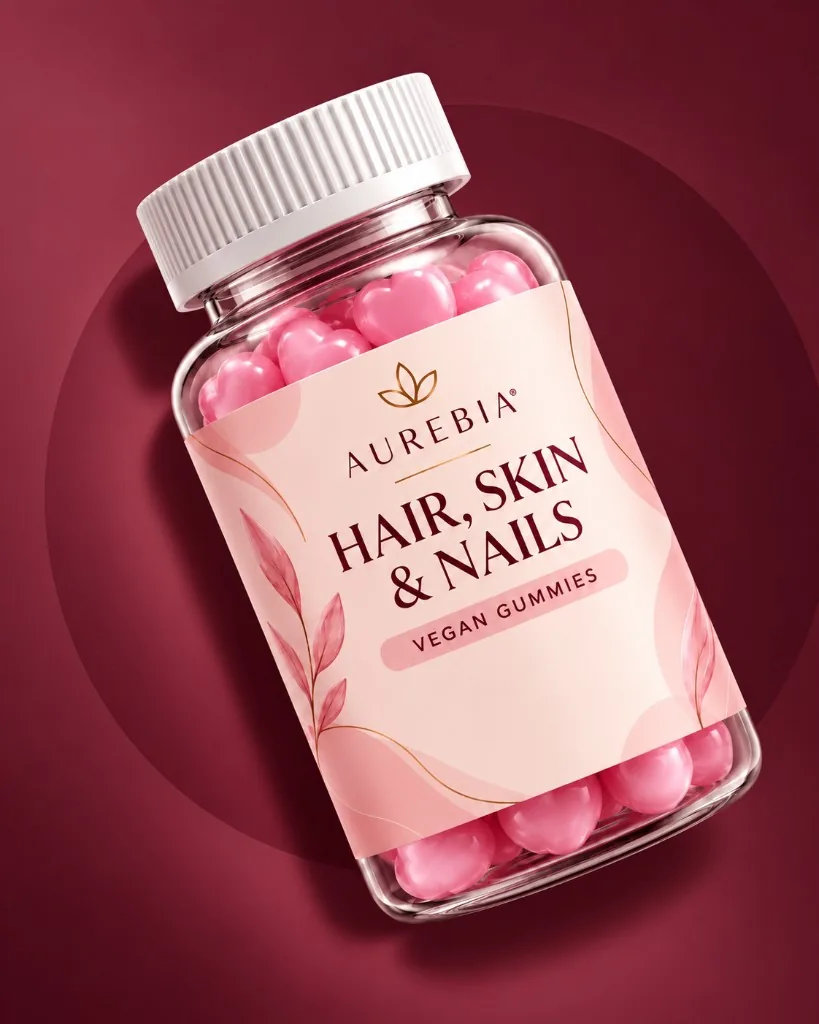
Aurebia Vegan Gummies were designed to help people build a simple nutrient routine. Each serving contains 5 mg of biotin, 10 mg of zinc as citrate, and 10 µg of vitamin D3. The routine is straightforward: take one gummy in the morning and one in the evening. While biotin and vitamin D3 are included, only zinc contributes to the maintenance of normal hair, skin, and nails according to authorized claims.
The introductory offer includes three bottles—a 90-day supply—for $99 as a one-time payment, with no automatic subscription. To see the full product details, visit Aurebia’s shop.
There’s little scientific evidence that biotin supplements restore hair lost from cancer therapy. If you’re considering biotin for this reason, talk with your doctor first.
Yes. Biotin can interfere with several types of blood tests and may cause misleading results, especially at higher supplement doses. Always inform your healthcare provider if you’re taking biotin before any lab work.
Zinc is the ingredient in Aurebia Vegan Gummies that contributes to the maintenance of normal hair, skin, and nails.
Discuss this with your healthcare professional. In some cases, doctors may recommend pausing biotin supplements before specific blood tests to avoid inaccurate results.

If you want guidance on building a routine for hair, skin, and nail nutrition, answer a few simple questions through the Aurebia quiz and discover the plan that matches your goals.

4 min read · OCT 21, 2026

5 min read · OCT 20, 2026

5 min read · OCT 19, 2026