Just a moment…
Just a moment…
Many people looking to improve the health of their hair, skin, or nails turn to supplements and the latest social media beauty trends. But recent research and expert warnings suggest it’s wise to pause and check the facts before buying into the hype—especially when it comes to biotin supplements and viral skincare advice.

For anyone experiencing hair loss, biotin supplements are everywhere—from pharmacy shelves to sponsored influencer posts. The vitamin (also known as vitamin B7) is often promoted as a solution for thinning hair and brittle nails. But what if you’re dealing with hair loss from a medical condition, like cancer treatment?
Doctors are sounding the alarm: biotin supplementation is not a proven solution for cancer-related hair loss, and it may actually cause harm in these cases. According to a recent report discussed by ScienceDaily, many cancer patients try biotin to restore hair lost during treatment, but there’s little evidence it works for this specific type of hair loss. More concerning, biotin can dangerously interfere with blood tests—potentially masking important markers that doctors rely on to monitor cancer or the effects of treatment. This interference can lead to misdiagnosis or delayed care.
This is not to say biotin is unsafe for everyone. But if you are undergoing medical treatments or regular lab tests, it’s crucial to tell your healthcare provider about any supplements you take, especially those with biotin.
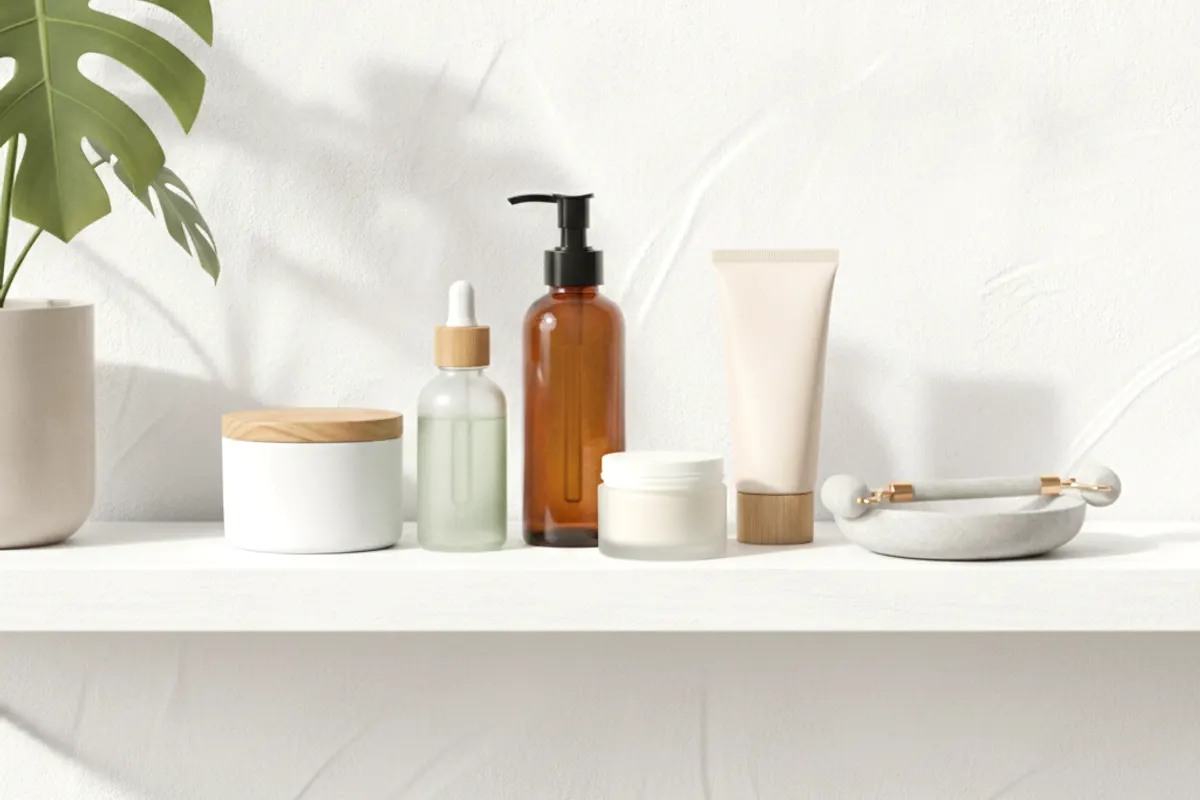
Social media—especially platforms like TikTok—are filled with skincare routines promising “glass skin,” a term popularized by viral Korean beauty trends. But how accurate is the advice in these videos?
New research presented at the European Academy of Dermatology and Venereology (EADV) Congress 2026 found that almost 95% of viral Korean skincare and ‘glass skin’ TikTok videos contained at least one potentially misleading claim. Basic safety information was often missing. (See coverage on MedicalXpress.) This means that much of the advice you see online may oversell results or skip important caution about possible side effects.
This doesn’t mean all skincare content online is bad, but it’s a reminder to approach viral trends with skepticism and look for advice backed by real evidence—or at the very least, consult with a dermatologist when in doubt.
Research is always evolving. For example, a recent article in the British Journal of Dermatology discusses a new twist in hair loss treatment. In a study of people with androgenetic alopecia, those who took low-dose oral minoxidil during the day had greater hair density gains compared to those taking it at night. The authors caution, however, that the mechanism observed in animal studies (specifically, mice) may not apply to humans. This highlights a common issue in hair research: what works in the lab or in animals doesn’t always translate directly into practical advice for people.
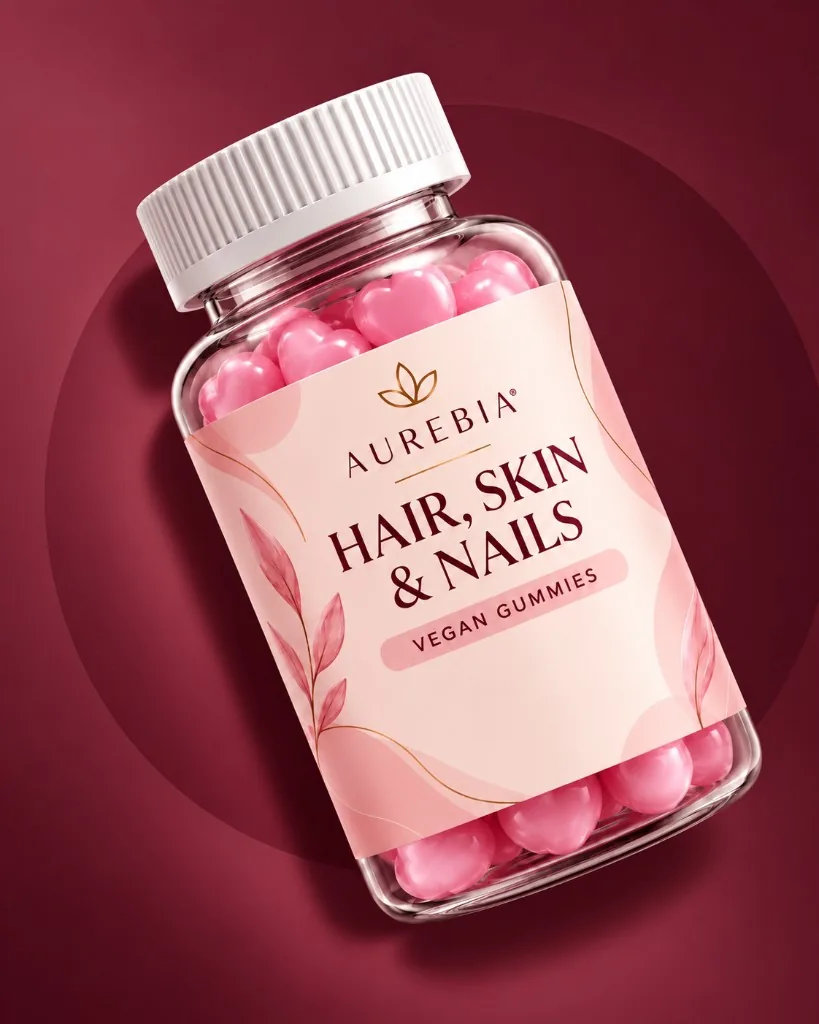
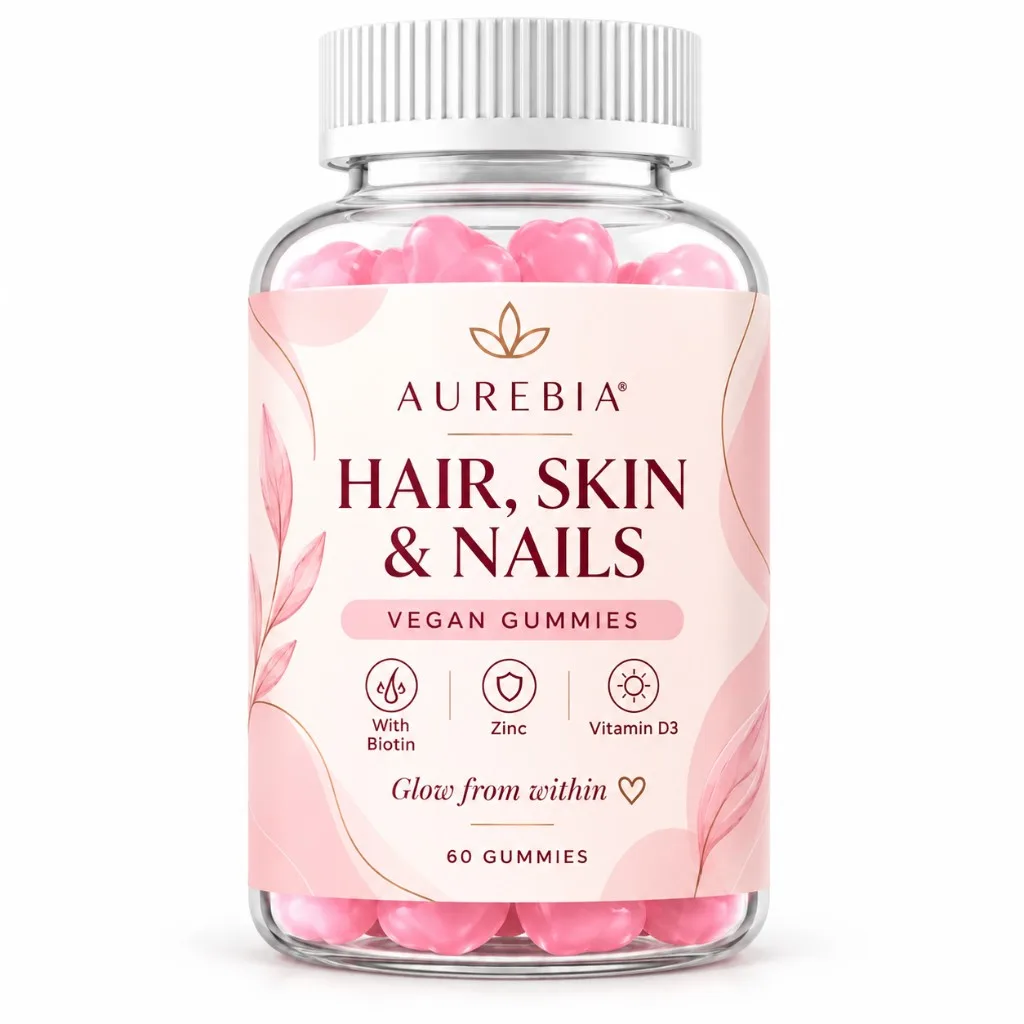
With so many products and claims out there, it helps to know what real benefits you can expect from a supplement. Aurebia Vegan Gummies contain zinc, which contributes to the maintenance of normal hair, skin, and nails. Each day, you take one gummy in the morning and one in the evening, for a total of 5 mg biotin, 10 mg zinc (as citrate), and 10 µg vitamin D3.
If you are already getting enough biotin from your diet, extra supplementation may not provide added benefits for hair or nail growth. Also, because high-dose biotin can interfere with certain blood tests, always inform your healthcare provider before testing if you take supplements containing biotin.
For details and ingredients, visit the Aurebia product page.
There’s no strong evidence that biotin restores hair lost due to cancer treatment. Doctors warn that it may also interfere with important blood tests for cancer patients. If you’re considering biotin, talk to your doctor first. Read more here.
According to new research, most viral skincare videos on platforms like TikTok contain misleading or incomplete information. Rely on expert advice or consult a dermatologist for your routine. Details here.
Zinc contributes to the maintenance of normal hair, skin, and nails. It’s an essential mineral, but supplementation only helps if your diet is lacking or you have increased needs.
Yes. Supplemental biotin, especially in high doses, can interfere with certain lab tests. Always tell your healthcare provider before any blood tests if you take a biotin-containing supplement.
If you want to find a routine that matches your hair, skin, and nail goals, take the Aurebia quiz. Answer a few questions and see which plan fits your needs: Start the quiz here.

4 min read · OCT 21, 2026

5 min read · OCT 20, 2026

5 min read · OCT 19, 2026