Collagen Supplements and Beauty Claims: A Clear-Eyed Look at the Evidence
Collagen supplements are everywhere you look in the beauty aisle, promising smoother skin, stronger nails, and youthful hair. But how much of this is marketing, and how much is genuinely backed by science? Let’s dig into the evidence so you can make more informed choices—and not get swept away by oversold claims.

What Does Collagen Do in the Body?
Collagen is a protein that helps give structure to your skin, hair, and nails. As we age, our natural collagen production slows down, which is partly why skin becomes less firm and hair may seem finer or more fragile. That much is true. But the leap from this fact to the promise that swallowing collagen supplements will restore your skin’s youthful bounce or turn back the clock for your hair and nails is a big one—and, for healthy people, not fully reflected in robust clinical research.
Sorting Hype from Evidence
Many collagen supplement makers point to small studies, often short-term or funded by the companies themselves, showing modest improvements in skin hydration or elasticity. But these studies usually have important limitations: small participant numbers, no long-term tracking, or lack of comparison to dietary changes alone. Collagen you eat is broken down in your digestive tract, and the body decides how (and if) to use those building blocks—not always to “plump” your skin or fortify your nails.
Even more, some beauty claims jump ahead of the science. For example, while you’ll hear about collagen for hair growth, solid evidence in people who aren’t collagen-deficient is lacking. The European Food Safety Authority (EFSA) and similar authorities have not authorized claims that oral collagen improves normal hair, skin, or nails in healthy consumers.

What Science Tells Us About Beauty Supplements
The key nutrients recognized for a role in normal hair, skin, and nail health include specific vitamins and minerals—not collagen itself. For example, zinc has a recognized function in contributing to the maintenance of normal hair, skin, and nails. Other micronutrients, like biotin and vitamin D, are necessary for various aspects of cell growth and maintenance, though their roles in beauty outcomes for everyone (especially outside deficiencies or medical issues) are more nuanced than advertisements might suggest.
- Zinc: Contributes to the maintenance of normal hair, skin, and nails.
- Biotin: Essential for normal metabolism and cell growth; deficiency can cause brittle nails or hair, but added benefit in healthy individuals isn’t proven.
- Vitamin D: Important for general health and cell function. Its connection to skin and hair health is under study, but deficiency—not a single gummy or capsule—seems to matter most.
It's also wise to stay aware of the safety side. High-dose supplements—such as biotin—can interfere with certain laboratory blood tests, including markers doctors use to track other medical conditions. Read more about supplement safety and lab tests here.
How to Read a Beauty Supplement Label
Before buying any beauty supplement, check whether the claims made are supported by strong scientific consensus. Look for regulatory language: claims that something “contributes to the maintenance of normal skin” for example, mean that benefit is officially recognized for the nutrient—not that a supplement will reverse wrinkles or regrow lost hair for everyone.
Be wary of words like “clinically proven” unless you can read the specific trial and its conditions—and remember that visible results will always vary, especially if your diet is already balanced and you have no diagnosed deficiencies.
Aurebia’s Approach to Beauty Nutrition
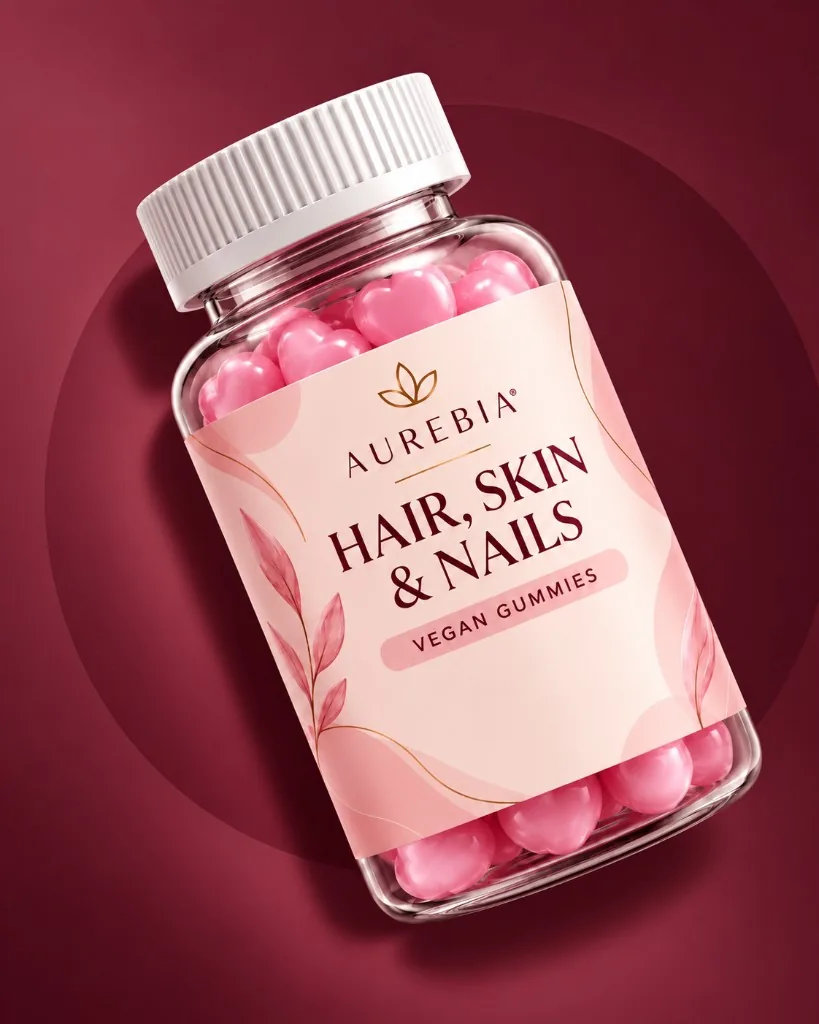
Aurebia’s vegan gummies are carefully formulated with nutrients that play acknowledged roles in supporting normal hair, skin, and nail health. Each daily serving delivers:
- 5 mg biotin
- 10 mg zinc (as citrate)
- 10 µg vitamin D3
Aurebia’s route is simple: one gummy in the morning, one in the evening. A 90-day introductory supply (three bottles) is offered for $99, with no automatic subscription during the initial order. See the full ingredient facts and offer here.
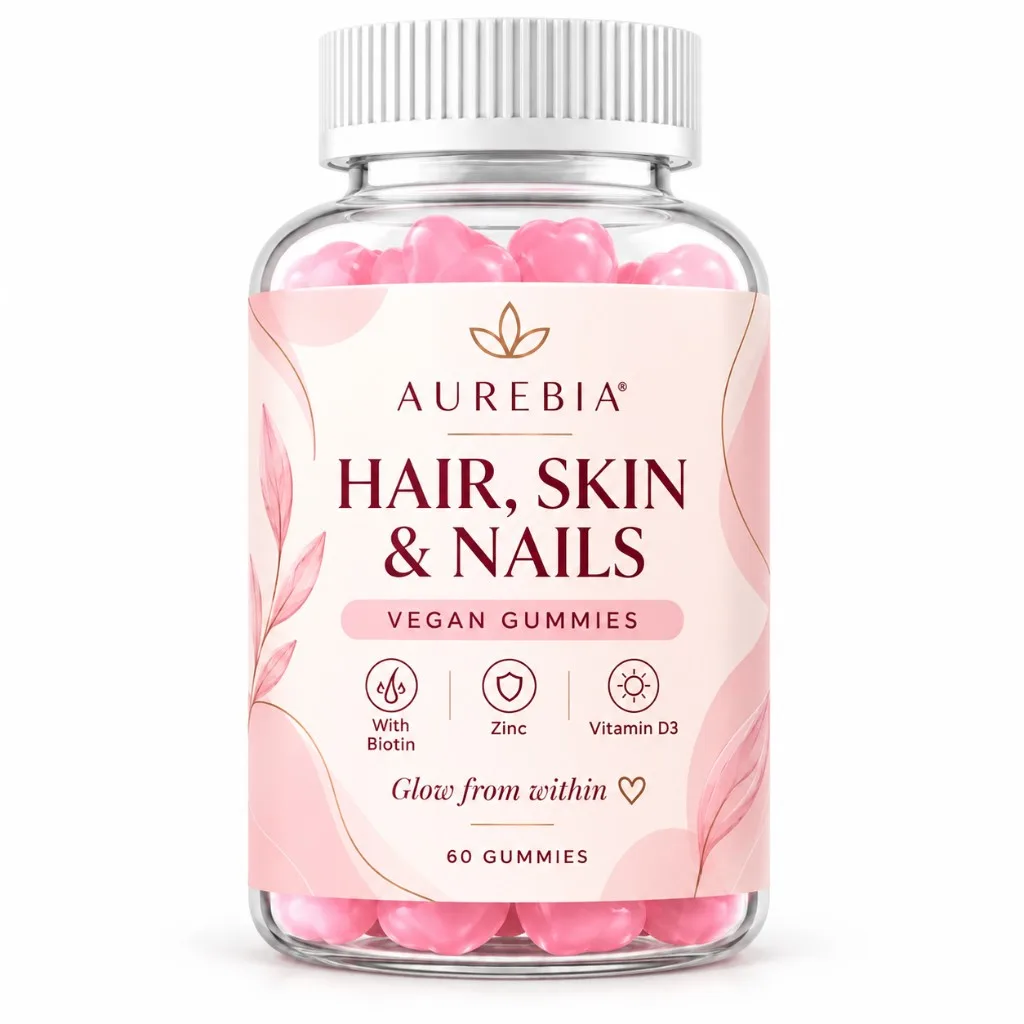
While Aurebia doesn’t contain collagen, zinc contributes to the maintenance of normal hair, skin, and nails as recognized by established authorities. Biotin and vitamin D3 are present to complement a balanced routine, though visible results depend on many factors, including baseline nutrition and health. If you’re taking any supplement, especially biotin, always inform your healthcare provider before blood tests.

Key Points to Keep in Mind
- Collagen supplements make big promises, but everyday benefits for healthy hair, skin, and nails aren’t guaranteed by robust science.
- Zinc is one nutrient with an established role in the maintenance of normal hair, skin, and nails.
- If you don’t have a deficiency, extra supplementation is unlikely to transform your appearance overnight.
- Check claims carefully; focus on nutrients with officially recognized health contributions.
- Always disclose beauty supplement use to your doctor before lab tests, especially those containing biotin.
Frequently Asked Questions
Do collagen supplements really make skin look younger?
Current evidence for collagen supplements improving skin appearance is limited and not universally accepted by regulatory agencies. Benefits seen in some studies are modest and may not apply to everyone.
What nutrient is proven to help maintain normal hair, skin, and nails?
Zinc is recognized for contributing to the maintenance of normal hair, skin, and nails. Ensuring adequate intake through your diet or a supplement can help meet your needs.
Do beauty supplements interfere with medical tests?
High doses of biotin, found in many beauty supplements, can interfere with certain laboratory blood tests. Tell your healthcare provider about any supplements you take before testing.
How can I support healthy skin and hair without supplements?
Eat a balanced diet rich in proteins, fruits, vegetables, and whole grains. Protect your skin from sun damage. Manage stress, and stay hydrated. Supplements may help in cases of deficiency, but aren’t a magical fix for everyone.
Can vitamin D or biotin supplements improve hair or skin if I’m not deficient?
There’s little evidence that extra biotin or vitamin D will change your appearance if you aren’t deficient. Focus on overall nutrition and healthy routines.
Sources
If you want help finding a routine that suits your beauty goals, answer a few quick questions to see your recommended plan with Aurebia: start the quiz here.