Just a moment…
Just a moment…
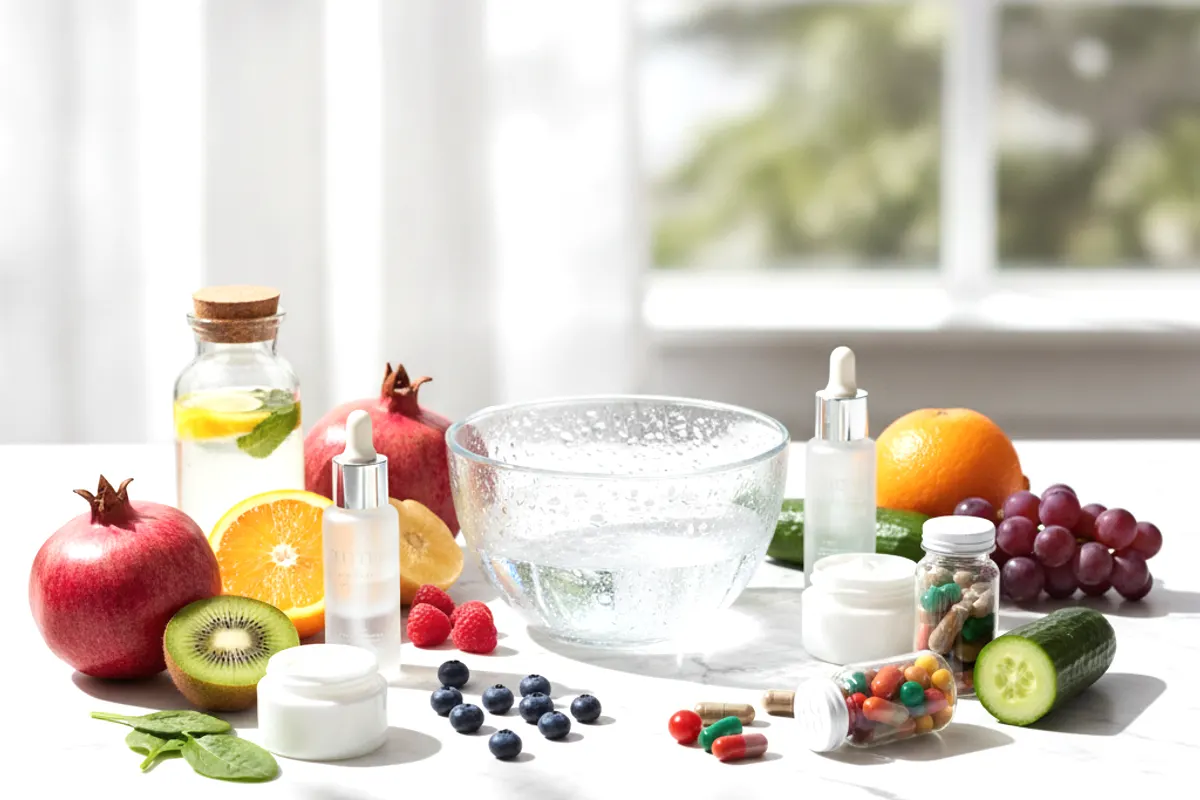
If you’ve ever been told to “just drink more water” or eat more fruit for glowing skin, you’re not alone. Advice about hydration, diet, and skin appearance is everywhere—from beauty blogs to family wisdom. But is there real science behind these claims?

Many people believe that simply drinking more water will hydrate their skin and banish dryness or wrinkles. The reality is more nuanced. While severe dehydration can certainly affect the skin—making it look dull and less elastic—most healthy adults who get enough fluids for basic body functions won’t see dramatic skin improvements by guzzling extra water alone.
That’s because once you’re hydrated, your body prioritizes internal organs before sending extra water to skin cells. Skin’s moisture balance is heavily influenced by its natural barrier, the outermost layer called the stratum corneum. This barrier locks in moisture, and its health relies more on skin lipids, the right amount of humidity, and protection from harsh cleansers or over-exfoliation than simply what’s in your glass.
Your diet does influence skin, but perhaps not in all the ways popular advice suggests. Here’s what is—and isn’t—known:

In short, yes—good hydration and a healthy, balanced diet are essential for your whole body and do support your skin. But topping up on water if you’re already hydrated won’t transform your skin overnight. Likewise, focusing on a miracle food or "detox" juice will not replace consistent, balanced nutrition or proper skincare.
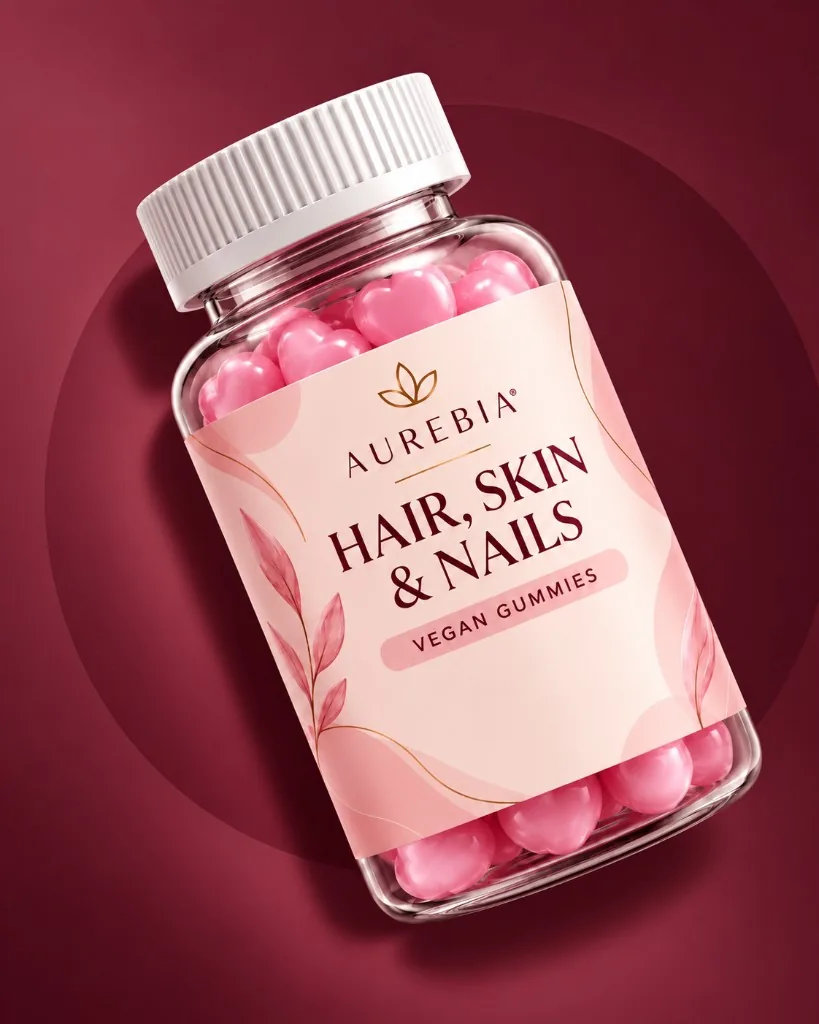
While hydration and diet are important, supporting your skin also means ensuring you get key micronutrients. Zinc, for example, contributes to the maintenance of normal skin, hair, and nails. Aurebia Vegan Gummies provide zinc alongside biotin and vitamin D3 in a fuss-free, twice-daily routine—one gummy in the morning, one in the evening.
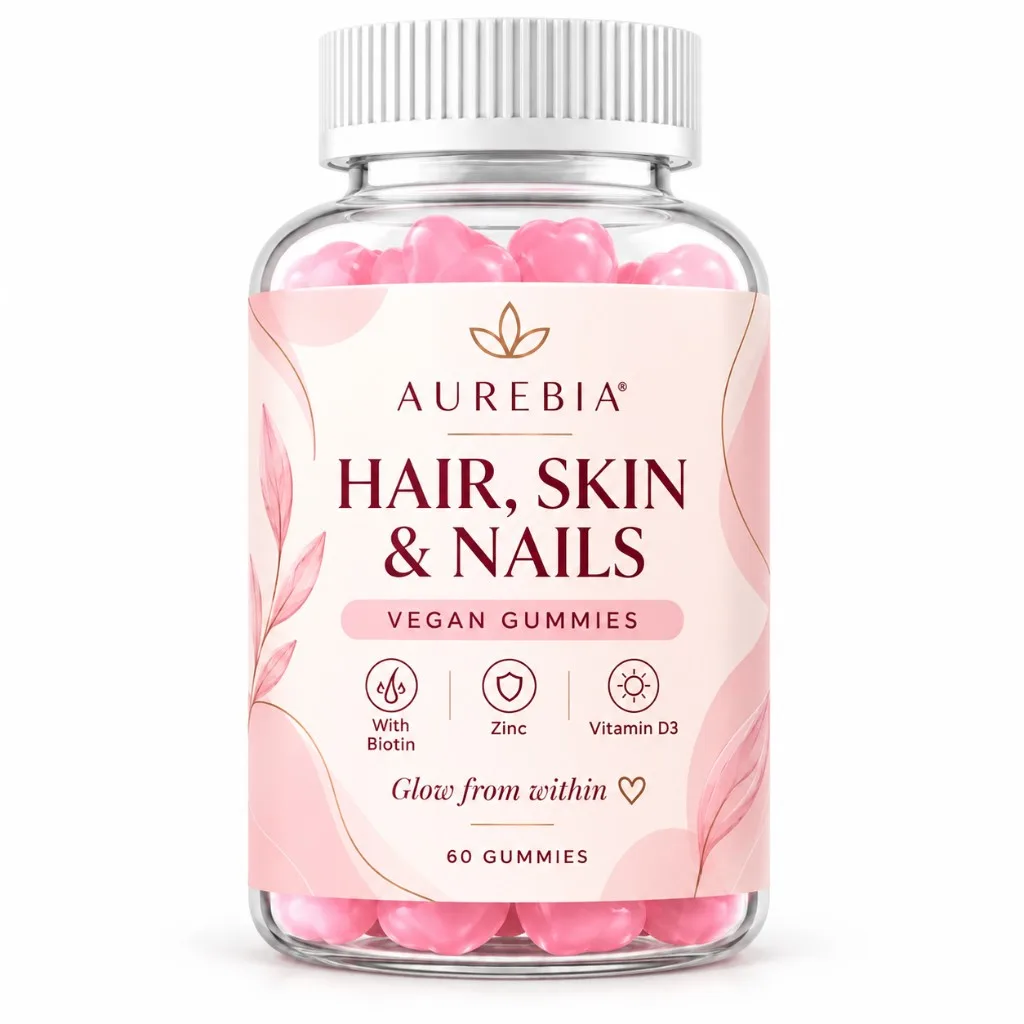
Each introductory order includes three bottles for a 90-day supply, with no automatic subscription during your first three months. See the details at aurebia.health/product.
| Advice | Evidence | What Matters Most |
|---|---|---|
| Drink more water for glowing skin | Only helps if you’re dehydrated; excess has little extra effect | Stay hydrated, but don’t expect miracles |
| Eat more fruit/veg for better skin | Supports overall health, provides antioxidants and nutrients | Important as part of a balanced diet |
| Avoid all sugar and dairy | May help some with acne, but not everyone is sensitive | Individual response varies |
| Supplements will instantly improve skin | Helps only if you have a deficiency | Best used to fill real nutrition gaps |
Only if your dryness is caused by dehydration. Most skin dryness is due to barrier problems, not hydration level. Moisturizers and gentle care are more effective for chronic dryness.
Zinc is involved in maintaining normal skin. Adequate vitamin intake and a balanced diet are also essential. Severe deficiencies can impair skin health, but most people get enough from a varied diet.
Diet impacts overall skin function over time, supporting repair and barrier integrity. However, overnight “glow” transformations from single foods are unlikely. Long-term habits make the biggest difference.
If you have a diagnosed deficiency or difficulty meeting needs through food, supplements can help fill nutrition gaps. Always follow the recommended dose. For people with normal dietary intake, they’re not a replacement for good habits.
If you’re wondering where to begin, try Aurebia’s short set of questions to discover a routine that matches your skin, hair, and nail goals: Start the Aurebia quiz.

4 min read · OCT 21, 2026

5 min read · OCT 20, 2026

5 min read · OCT 19, 2026