Just a moment…
Just a moment…
Daily sun exposure shapes how our skin ages—sometimes years before wrinkles, spots, or uneven tone show up. Photoaging, the gradual change in skin caused by repeated sun, is real. But protecting yourself doesn’t have to mean living in fear of daylight, turning to harsh products, or missing out on vitamin D. Here’s what matters right now about sun, skin, and practical prevention—without the anxiety.

Photoaging is simply the skin’s way of showing its lifetime sun story. Ultraviolet (UV) rays from the sun can break down collagen, trigger uneven pigment, and create fine lines. But photoaging is not the same as chronological aging. Staying sun safe early can change the trajectory of your skin, even if you don’t see the effects yet.

Mineral sunscreens—those using active particles like zinc oxide—offer reliable UV protection. But many people with medium or deeper skin tones have found they leave a chalky cast.
Recently, scientists developed a zinc oxide sunscreen that no longer leaves as much visible residue, making SPF 30 mineral formulas more appealing and practical for everyone. This new approach could help more people build sunscreen into daily life, not just beach days. (Read the report)
Everyday healthy skin starts with more than sunscreen. Nutrition plays a supporting role in how the skin repairs itself, maintains moisture, and responds to sun. Zinc, for example, is involved in skin maintenance and normal function.
No single food, supplement, or vitamin can make your skin “sun-proof.” A consistent, nutrient-rich diet helps the skin recover and maintain its physical barrier. But that’s not an excuse to skip sunscreen—these strategies work together, not alone.
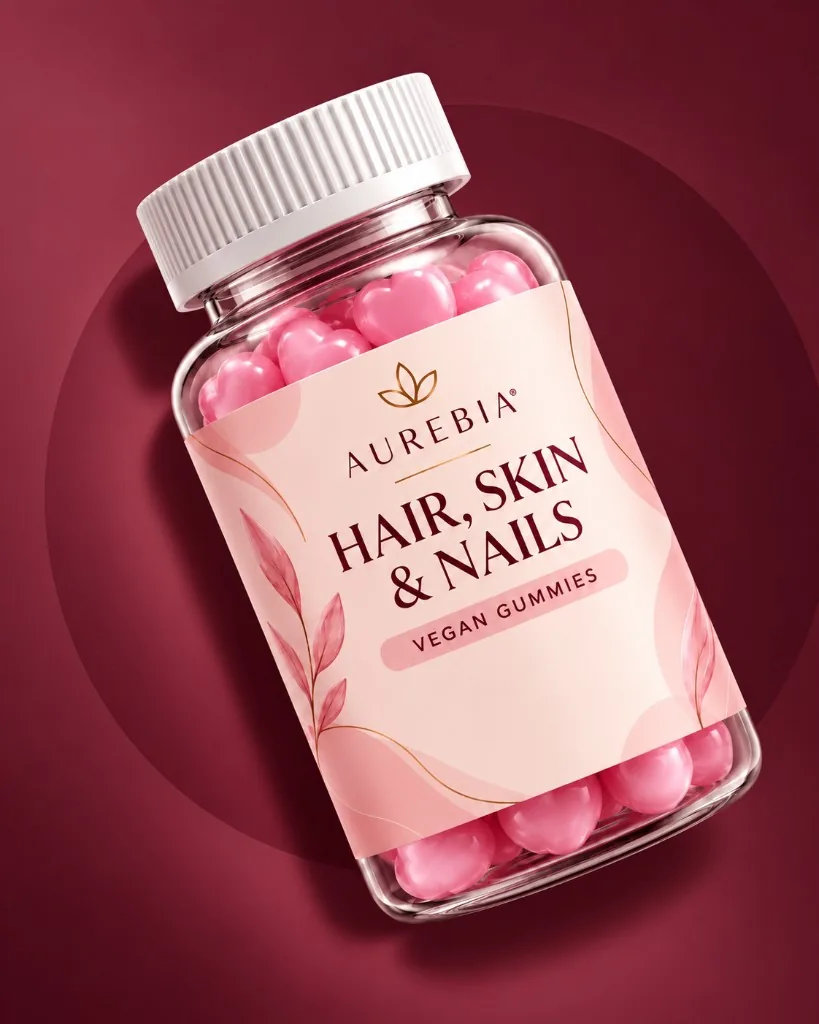
Aurebia’s Vegan Gummies contain 10 mg of zinc (as citrate) per daily serving—one gummy in the morning, one in the evening. Zinc contributes to the maintenance of normal hair, skin, and nails. The formula also includes biotin and vitamin D3. Three bottles provide a 90-day supply for $99, with no automatic subscription required for your first order. See the details at aurebia.health/product.
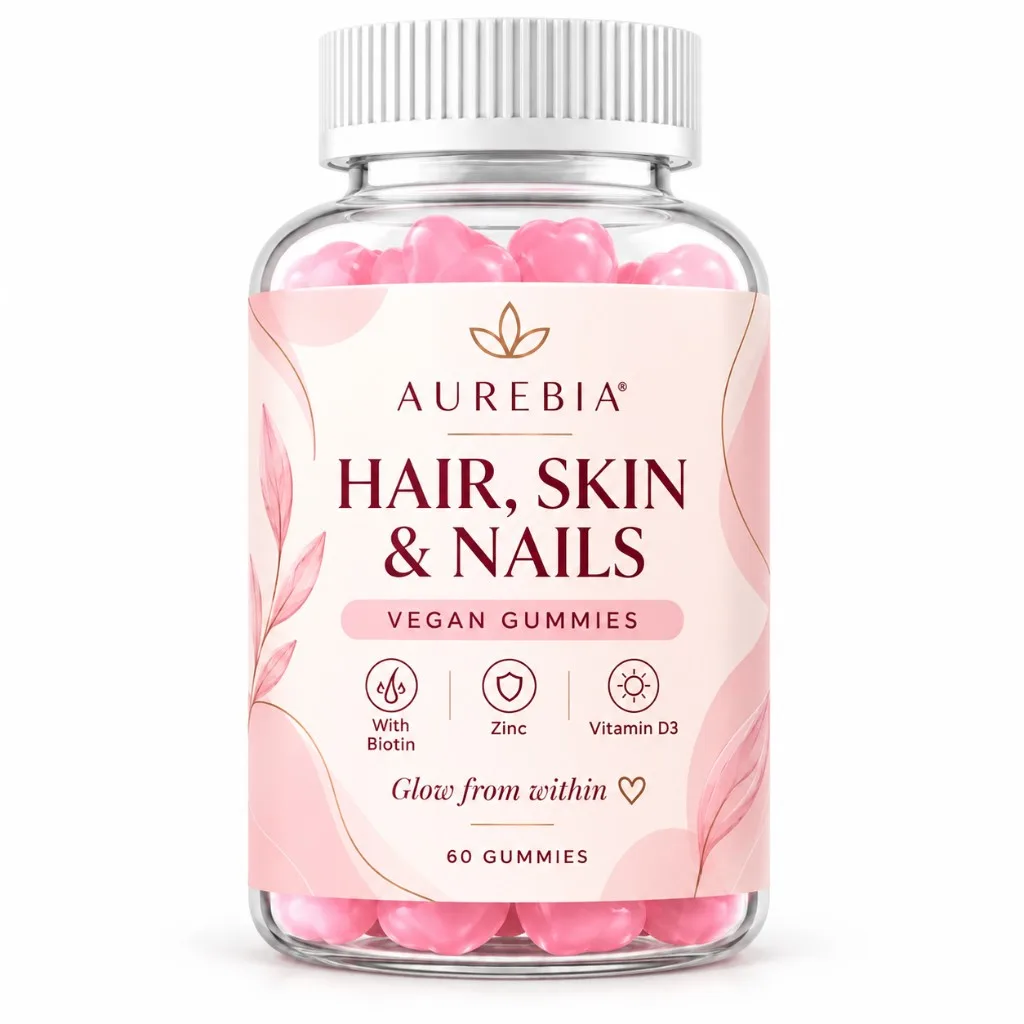
Adding a nutritional routine can help cover day-to-day needs, but remember: gummies and supplements are not a substitute for sun protection, a balanced diet, or good skin care habits.

Photoaging refers to the premature aging of the skin—wrinkles, lines, spots, and texture changes—caused mainly by repeated sun exposure, not time alone.
Traditional mineral sunscreens use zinc oxide particles that can look chalky, especially on deeper skin. Newer formulas use redesigned particles to reduce this effect.
Zinc contributes to the maintenance of normal skin. It’s involved in repair, structure, and overall skin barrier function.
Biotin and vitamin D are essential vitamins, but most people get enough through food and sunlight. Supplemental benefits for skin in healthy people are less clear.
No need to be fearful, but thoughtful protection—sunscreen, shade, appropriate clothing—helps avoid long-term skin changes and supports skin health.
If you want help getting started, answer a few easy questions and get an Aurebia routine and plan that matches your skin and wellness goals: Start the quiz.

4 min read · OCT 21, 2026

5 min read · OCT 20, 2026

5 min read · OCT 19, 2026