Just a moment…
Just a moment…
Everyone wants stronger, fuller hair, and the Internet is packed with trendy scalp serums, supplement promises, and the latest “miracle” extracts. But most of us overlook the basics—simple, evidence-based scalp care habits that make a bigger difference in the long run than the latest potion trending on social media.

Healthy hair starts at the scalp. When sweat, oil, and styling products build up, they can clog hair follicles and impact scalp health. Regular, gentle cleansing keeps follicles clear so hair can grow the way it’s meant to. Using a mild shampoo a few times a week is usually enough for most people, unless you exercise heavily or use lots of styling products.
Scrubbing the scalp too hard—especially with brushes or fingernails—can irritate skin and cause flaking. Instead, massage shampoo with your fingertips, spending a few extra seconds at the roots. This not only cleanses but also boosts local circulation, which supports scalp health.
A healthy scalp maintains a delicate balance of natural oils. Overwashing or using harsh shampoos can strip those oils, leaving you with dryness, itch, or irritation. If your scalp feels tight or flaky, consider switching to a gentler cleanser and using a lightweight conditioner. Avoid applying heavy oils directly to the scalp unless you know your skin tolerates them well—sometimes “oil treatments” can do more harm than good for people prone to clogged pores or scalp acne.

What goes into your body matters for your scalp. Nutrient deficiencies—especially in certain B vitamins, iron, zinc, and protein—can impact hair and scalp health. But taking large doses of supplements “just in case” is rarely necessary if you eat a balanced diet and don’t have an identified deficiency.
Biotin (vitamin B7), for example, is a common ingredient in hair supplements. Despite its popularity, recent news emphasizes that there’s little evidence biotin supports hair regrowth in most people without deficiency. In fact, taking high amounts of biotin can interfere with important laboratory tests, sometimes with serious consequences in medical contexts, such as cancer care. It’s wise to discuss all supplements with your healthcare provider, especially if you’re scheduled for blood work.
Source: ScienceDaily – Doctors warn this popular vitamin may quietly disrupt cancer care
The allure of natural or herbal hair remedies is strong. Recent scientific interest surrounds compounds like stevioside from the Stevia plant and traditional Chinese herbs such as Polygonum multiflorum. Early laboratory research and animal studies sometimes reveal interesting effects, like enhanced hair growth in mice or hormonal pathway changes in cells. However, there’s a huge leap from a promising patch in mice to real benefits for human scalps.
Sources:
Stevia compound boosts hair growth (mouse study),
Polygonum multiflorum and hair loss
Similarly, changes in how established medications like minoxidil are dosed—such as taking it in the morning instead of at night—are being studied. These findings are interesting, but often won’t make a noticeable difference for the average person compared to a consistent, basic hair and scalp routine.
Source: British Journal of Dermatology – Oral minoxidil and timing
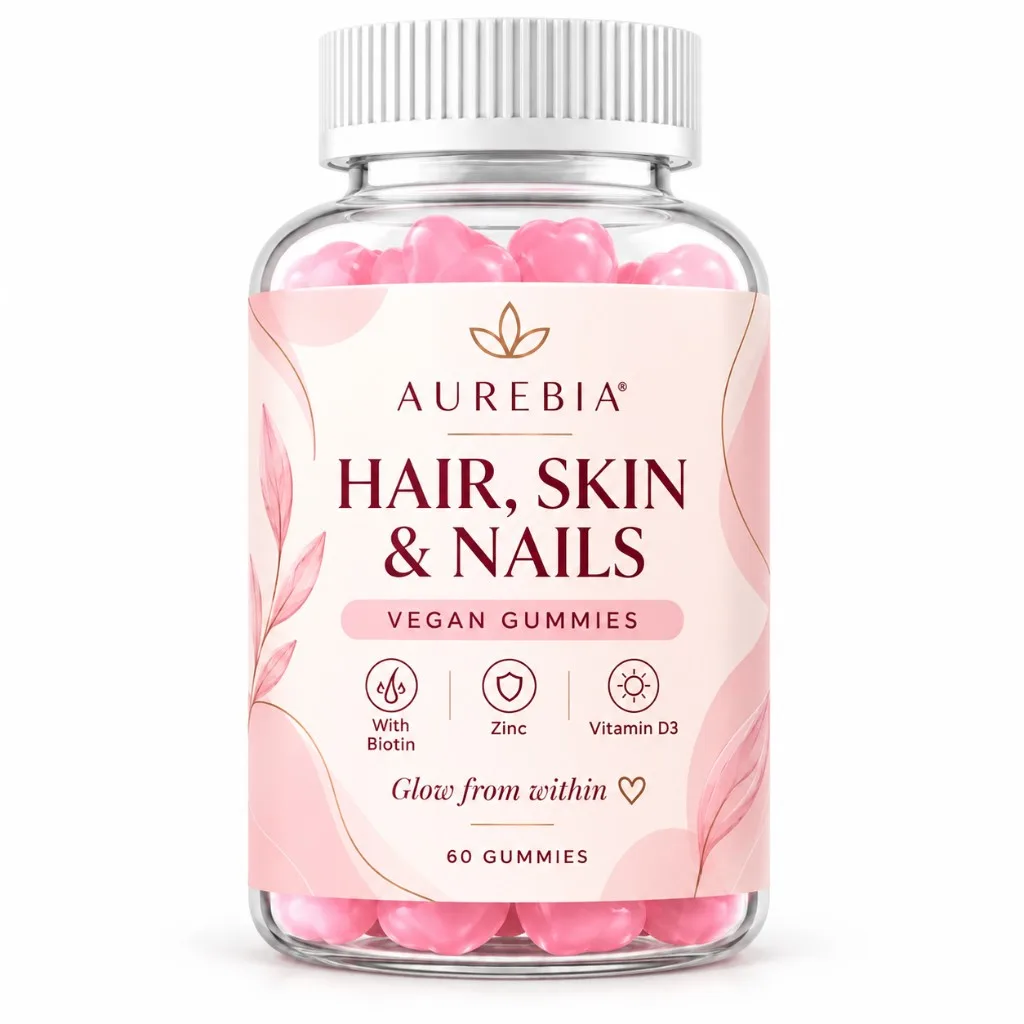
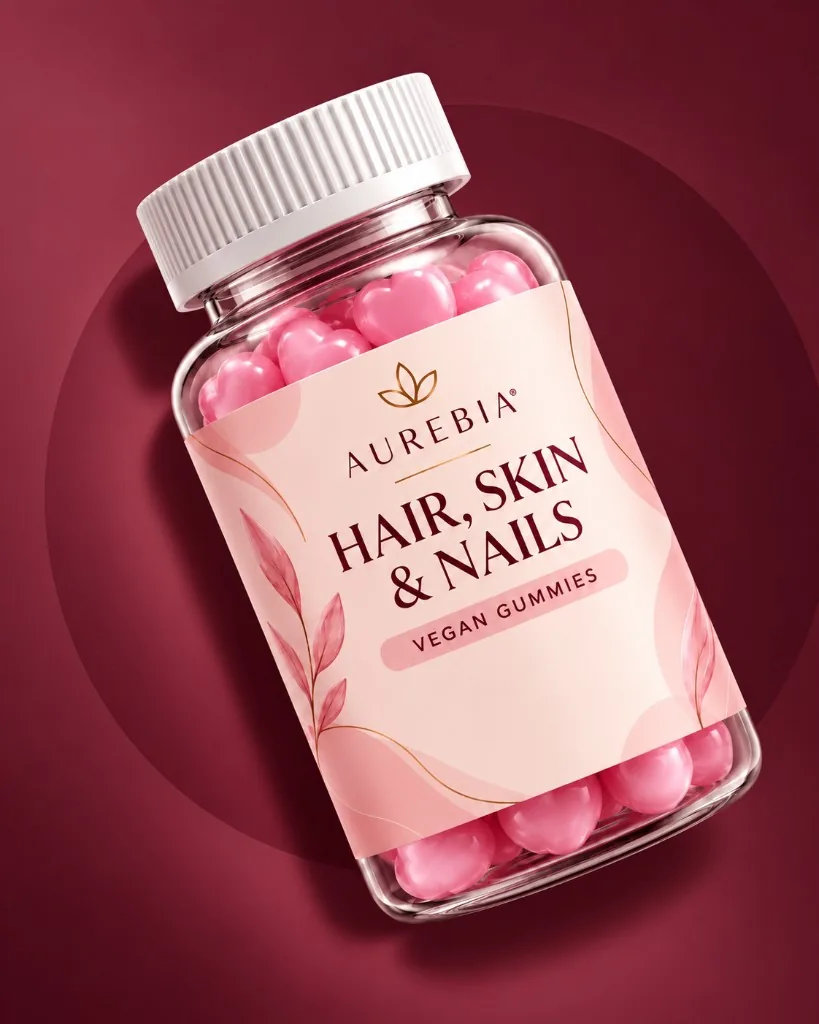
Aurebia focuses on the foundational nutrients for hair, skin, and nail maintenance. Each daily routine includes two easy gummies—one in the morning and one in the evening. The formula supplies:
Zinc contributes to the maintenance of normal hair, skin, and nails—this is a well-established role for this essential mineral. If you’re looking for a simple way to include these nutrients in your daily routine, Aurebia offers a three-bottle, 90-day supply for $99 (no subscription required for the introductory order). You can learn more here: /product
If you take any supplement with biotin, tell your doctor before lab tests.

No large human studies show that biotin supplements regrow hair in people without biotin deficiency. Most people get enough biotin from diet.
Zinc contributes to the maintenance of normal hair, skin, and nails. Severe deficiency may impact hair health, but this is uncommon with a balanced diet.
Most evidence for new or trendy ingredients comes from early lab or animal studies, not proven results in real people. The basics—good scalp hygiene and nutrition—matter more for most people.
If your scalp feels healthy (not itchy, flaky, or irritated) and your hair seems its usual density over months, your routine is probably working for you. Sudden hair changes deserve a medical check.
Curious how Aurebia might fit into your scalp care plan? Answer a few short questions and see your suggested routine here: /quiz

4 min read · OCT 21, 2026

5 min read · OCT 20, 2026

5 min read · OCT 19, 2026