Just a moment…
Just a moment…

Walk into a wellness aisle or scroll social media, and it’s hard to miss talk of vitamin D for “radiant skin.” Some skincare brands tout it as the next big ingredient, while others claim supplements can deliver a healthy glow or slow visible aging. But does science back these promises? Here’s a closer look at vitamin D, what’s genuinely established for skin health, where the trends get ahead of the facts, and what matters for your routine.
Vitamin D’s primary, well-established job is to help control calcium and phosphorus balance, keeping bones and muscles healthy. Our skin actually makes vitamin D when exposed to sunlight, though diet and supplements can help ensure we get enough—especially in less sunny climates or for those mostly indoors.
But when it comes to skin itself, what do we really know? In rare cases of severe vitamin D deficiency, people can see changes in their skin, including dryness or even delayed wound healing. However, those cases are uncommon. For most healthy adults, there’s no clear evidence that extra vitamin D—above what you already need—adds visible skin benefits, fights wrinkles, or “glows up” your complexion.
It’s easy to be swayed by influencers or product labels promising youthful skin with a vitamin D boost. But so far, mainstream dermatology organizations and scientific reviews have not endorsed vitamin D supplements as a surefire way to enhance skin’s appearance in people who aren’t deficient. Many trends leap ahead of what research shows.
For example, topical vitamin D creams are sometimes used as prescriptions for specific skin conditions (like psoriasis) under medical care. But over-the-counter serums and supplements for “better skin” mainly trade on hype, not human studies.

That said, enough vitamin D is essential for whole-body wellness, and healthy skin depends on overall health. Aging, darker skin pigmentation, and limited sun exposure can all lower vitamin D production in the skin, so some people may benefit from a supplement to reach recommended intake levels. But once your vitamin D status is sufficient, extra doses haven’t been shown to make your skin smoother, clearer, or more hydrated.
Biotin (vitamin B7) is another supplement frequently marketed for skin, hair, and nails. However, evidence for benefit in people who aren’t deficient is weak. Some recent reports even warn that biotin supplements can interfere with lab tests, leading to distorted results, especially if you’re undergoing medical care. (ScienceDaily Hair Loss)
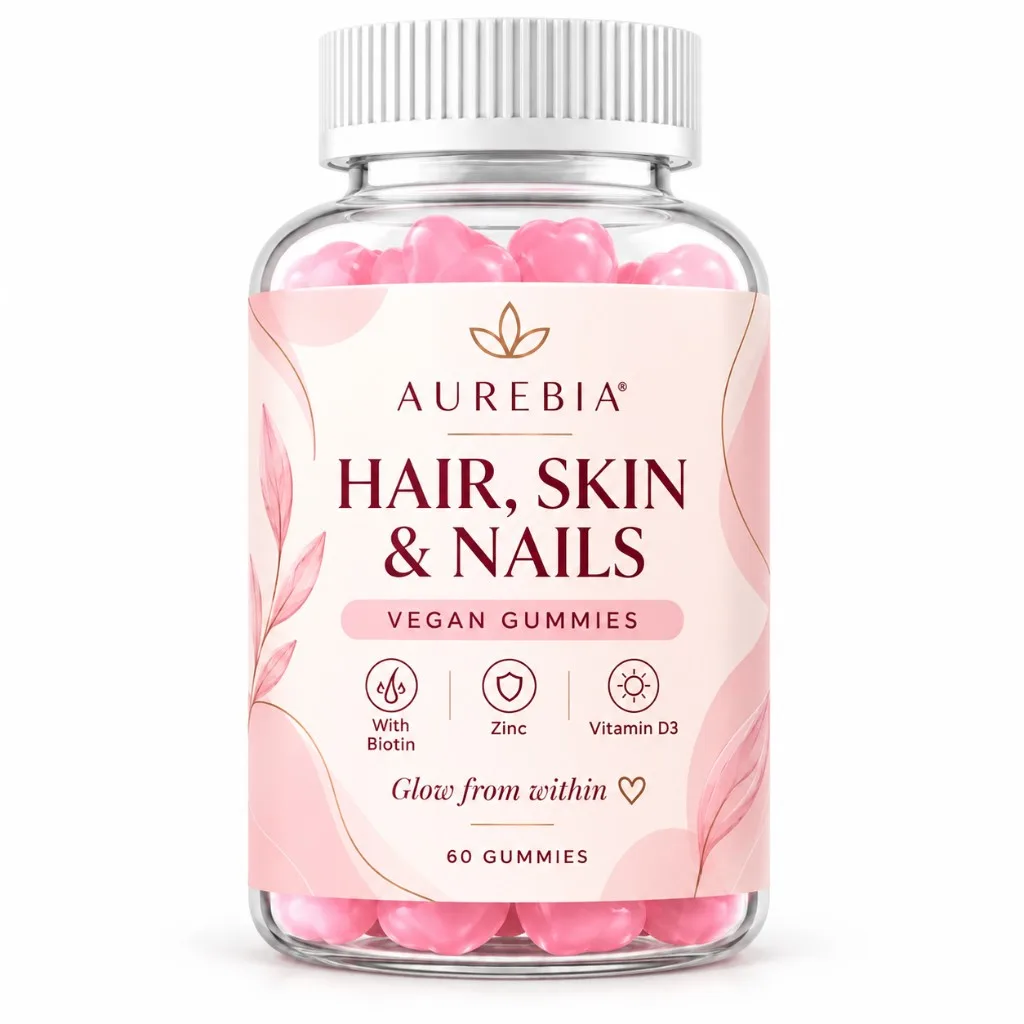
Aurebia’s Vegan Gummies include three nutrients per daily serving: 5 mg biotin, 10 mg zinc (as citrate), and 10 µg vitamin D3. While the product is popular for its convenience and taste, it’s important to keep claims balanced.
The gummies are designed to be a straightforward way to help meet your daily nutrient needs, taken as one gummy in the morning and one in the evening. A 90-day supply (three bottles) is offered for $99, with no automatic subscription during that initial period. Learn more at the Aurebia shop.
| Claim | What the Evidence Shows |
|---|---|
| Vitamin D supports bone health | Strong evidence (established physiology) |
| Vitamin D deficiency can affect skin barrier/wound healing | Observed in rare deficiency cases |
| Vitamin D supplements improve “glow” or prevent wrinkles | Not backed by controlled human studies in healthy individuals |
Vitamin D is vital for health, and your skin does benefit from having enough. But for most people, “wellness trend” claims about vitamin D as a shortcut to glowing, youthful skin aren’t backed by strong science. Aim for recommended intakes to support your overall health, and be wary of hype that promises dramatic cosmetic results.

For most healthy people, there’s no solid research showing that vitamin D supplements will clear skin or prevent blemishes. If you’re deficient, getting to a healthy level is important for skin and overall health.
Some foods contain vitamin D (like fortified products, salmon, and eggs), but many people need some sunlight or a supplement, especially in winter or if they use sun protection.
Prescription vitamin D creams can help with some skin conditions under medical care. Most over-the-counter vitamin D creams have not been rigorously tested for anti-aging or cosmetic effects.
For most adults, a daily vitamin D supplement in recommended amounts is safe. Always check with your healthcare provider if you have health conditions or are taking medications.
Zinc is recognized for its role in the maintenance of normal hair, skin, and nails when consumed in recommended amounts.
If you want to see how a balanced routine could fit your goals, try answering a few quick questions at the Aurebia routine quiz.

4 min read · OCT 21, 2026

5 min read · OCT 20, 2026

5 min read · OCT 19, 2026