Just a moment…
Just a moment…
If you care about your scalp and hair, recent science has some updates worth your time. From new discoveries about the role of hair follicle cells in scalp health and psoriasis, to ongoing questions around biotin supplements and the buzz about ancient herbal remedies, the conversation around hair and scalp care is changing.

Scalp psoriasis is stubborn, often affecting people more severely on the head than other areas of skin. But why is the scalp especially vulnerable? According to a new report in the British Journal of Dermatology, the answer may lie in a unique group of hair follicle cells.
The study, described here, combined advanced genetic and cellular analysis of both healthy and psoriatic scalp tissue. Researchers found that a subset of hair follicle cells marked by the protein K17 (called K17hi cells) seem to orchestrate inflammation in psoriasis via S100A1-dependent signaling molecules. This finding builds on the idea that hair follicles are much more than passive structures—they’re active players in the scalp’s immune response.
While the research is early, it may eventually help explain why psoriasis behaves differently on the scalp and could point to new strategies for calming scalp inflammation in the future.
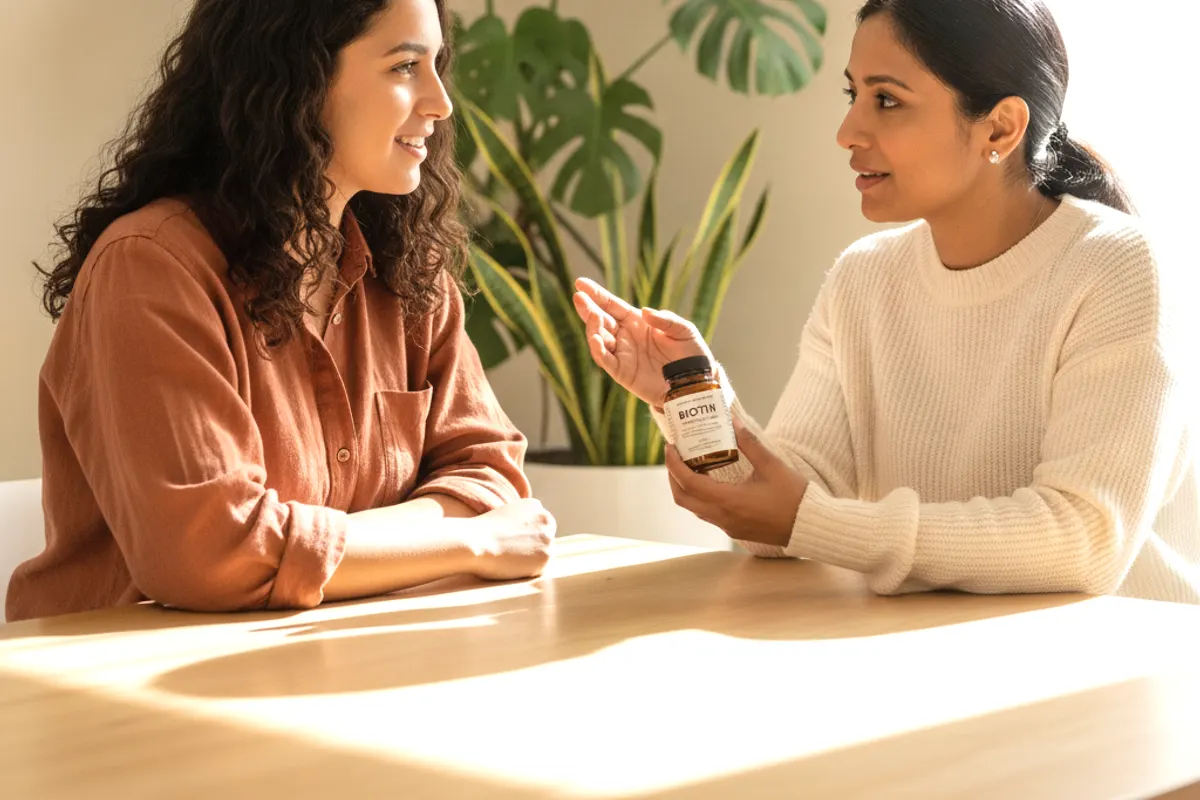
Biotin, also known as vitamin B7, is everywhere in hair and nail supplements. Many people, including some cancer patients, try biotin with hopes of restoring hair lost during treatment. But experts are urging caution.
According to a recent report, doctors warn that there’s little evidence biotin can reverse hair loss caused by cancer therapies. More importantly, high-dose biotin supplements may quietly interfere with blood tests that monitor cancer and other serious health conditions. This interference can sometimes mask important disease markers, making it harder for doctors to track a patient’s progress or spot problems early.
If you’re taking biotin and have a medical procedure or blood work planned, always tell your healthcare provider about your supplements. This advice is especially relevant if you’re considering hair, skin, and nail gummies or pills that contain more than the typical daily recommended biotin intake.
There’s growing curiosity around traditional herbal approaches to hair health. One such herb is Polygonum multiflorum, a root used in Chinese medicine for over a thousand years. Modern studies, summarized in this ScienceDaily report, suggest the herb may work by blocking certain hormones linked to hair loss, stimulating hair-growth signals, protecting hair follicles, and improving blood flow to the scalp.
While this research is promising, it’s still early. Herbal remedies like Polygonum multiflorum aren’t risk-free, and their effectiveness hasn’t been fully proven in large, well-controlled trials. If you’re interested in natural approaches, discuss them with your doctor—especially if you have underlying health conditions or take prescription medications.
The science of hair and scalp health keeps evolving. What we know for sure is that certain nutrients play established roles in maintaining healthy tissues. For example, zinc is scientifically recognized for its role in maintaining normal hair, skin, and nails.
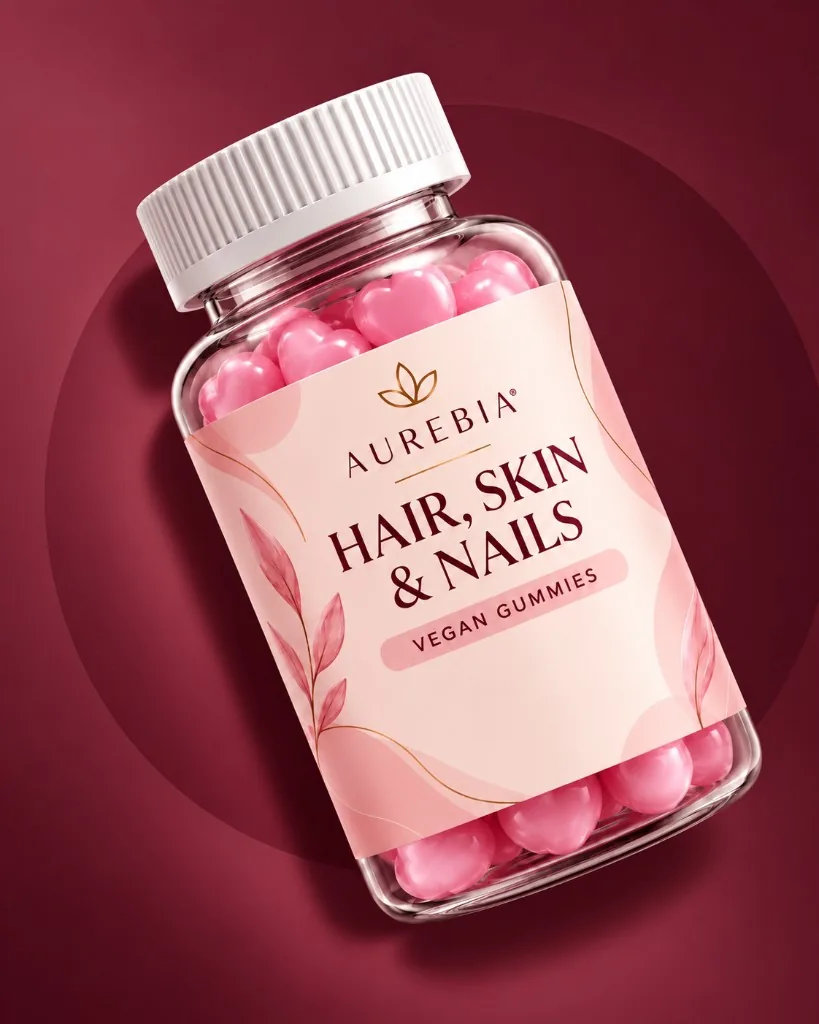
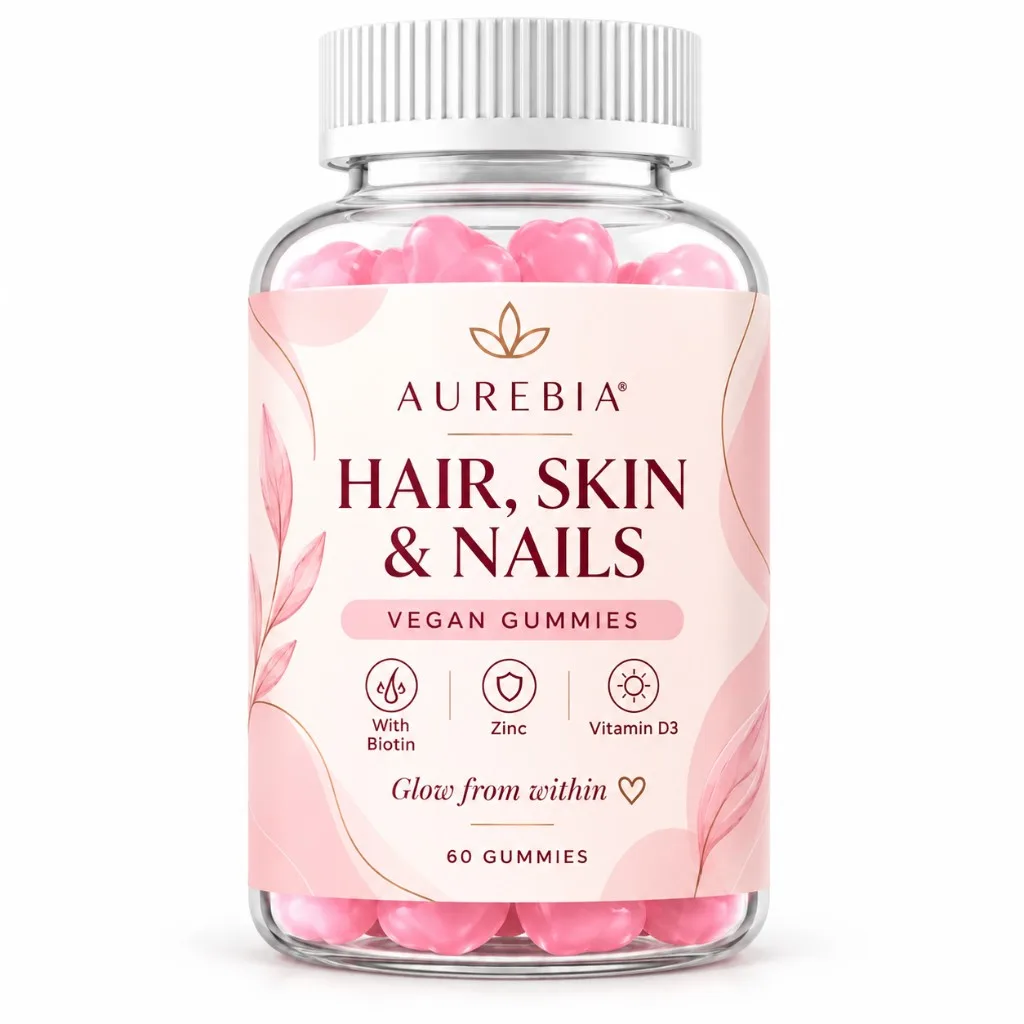
Aurebia’s vegan gummies provide 10 mg of zinc as citrate in a daily serving, alongside 5 mg of biotin and 10 µg of vitamin D3. The recommended routine is simple: one gummy in the morning, one in the evening. Each introductory order is a 90-day supply (three bottles), currently available for $99 with no automatic subscription. See the full details at /product.

There’s little evidence that biotin reverses hair loss in healthy people or in those experiencing cancer-related hair thinning. Biotin deficiency is rare; most people get enough through diet.
High-dose biotin can disrupt certain lab tests, especially those measuring hormone levels or tracking disease markers. Always inform your healthcare provider if you take biotin supplements.
Zinc is an essential mineral that contributes to the maintenance of normal hair, skin, and nails. Adequate intake is important for general tissue health.
Some studies suggest potential benefits, but more large, well-designed trials are needed. Talk to your healthcare provider before using herbal supplements for hair loss.
Recent research points to a subset of hair follicle cells as key drivers of inflammation in scalp psoriasis, which could help explain why the scalp is particularly affected in this condition.
Not sure how to start your hair, skin, and nails routine? Answer a few quick questions at /quiz to see the Aurebia approach that matches your goals.

4 min read · OCT 21, 2026

5 min read · OCT 20, 2026

5 min read · OCT 19, 2026