Just a moment…
Just a moment…
People searching for healthier hair or relief from scalp concerns are faced with a flood of advice and products. But what does the actual science say about our hair follicles, and how do popular supplements fit in? Recent research is uncovering how the cells within hair follicles may play a bigger role in scalp inflammation than previously thought. At the same time, experts are clarifying what to expect from supplements like biotin—and what to watch out for, especially if you have a health condition.

Our hair follicles aren’t merely responsible for growing hair—they’re also active players in the health of our scalp. A new study published in the British Journal of Dermatology sheds light on exactly how certain hair follicle cell subsets contribute to scalp inflammation in psoriasis.
The researchers analyzed scalp samples from both healthy individuals and those with psoriasis. By combining advanced genetic analysis techniques, they identified a subset of hair follicle cells called “K17hi” cells. These cells seem to orchestrate inflammation in psoriatic skin by activating a signaling molecule known as S100A1. This discovery helps explain why the scalp is commonly affected in psoriasis and could guide future therapies aimed at calming this specific inflammatory pathway.
For people living with scalp psoriasis, these findings offer hope for more targeted treatments. It also highlights how deeply our hair follicles are involved in the health and inflammation of the scalp—not just in hair production.

Scalp inflammation isn’t the only concern for those worried about their hair. Hair loss—temporary or persistent—often leads people to try over-the-counter supplements like biotin, which is commonly marketed for hair and nail strength. But how much does biotin actually help, and when might it do more harm than good?
According to a report featured on ScienceDaily, many cancer patients turn to biotin supplements in hopes of restoring hair lost during treatment. However, experts warn that while biotin is popular for hair and nail health, there’s very little evidence showing it helps with cancer-related hair loss. Even more concerning, biotin can interfere with some laboratory blood tests—potentially masking important markers for cancer and other diseases. Doctors advise patients, especially those undergoing cancer care, to talk with their healthcare team before taking biotin or other supplements.
This is a good reminder for everyone: even widely available vitamins can have unintended effects, especially when medical conditions or tests are involved. Always let your healthcare provider know about any supplements you’re using.
Modern research is also taking a fresh look at traditional remedies. Scientists are studying Polygonum multiflorum, a root used in Chinese medicine for centuries, to see if it could help with hair loss. As summarized in a recent ScienceDaily report, early research suggests this herb might block certain hormones linked to hair loss, protect hair follicles, increase blood flow to the scalp, and activate hair growth signals. While these results are promising and align with ancient uses, robust clinical trials in humans are still needed before these claims can be firmly established.
If you’re considering herbal remedies, remember that natural doesn’t always mean safe or effective—and products can vary widely in quality and dosage.
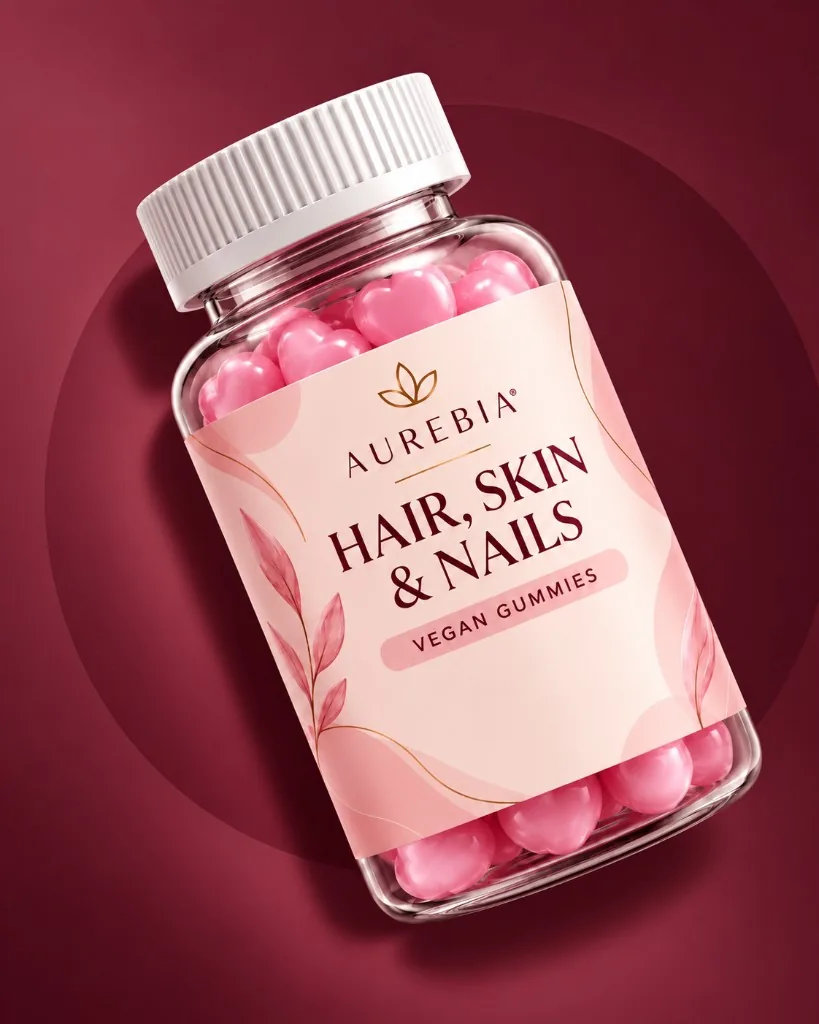
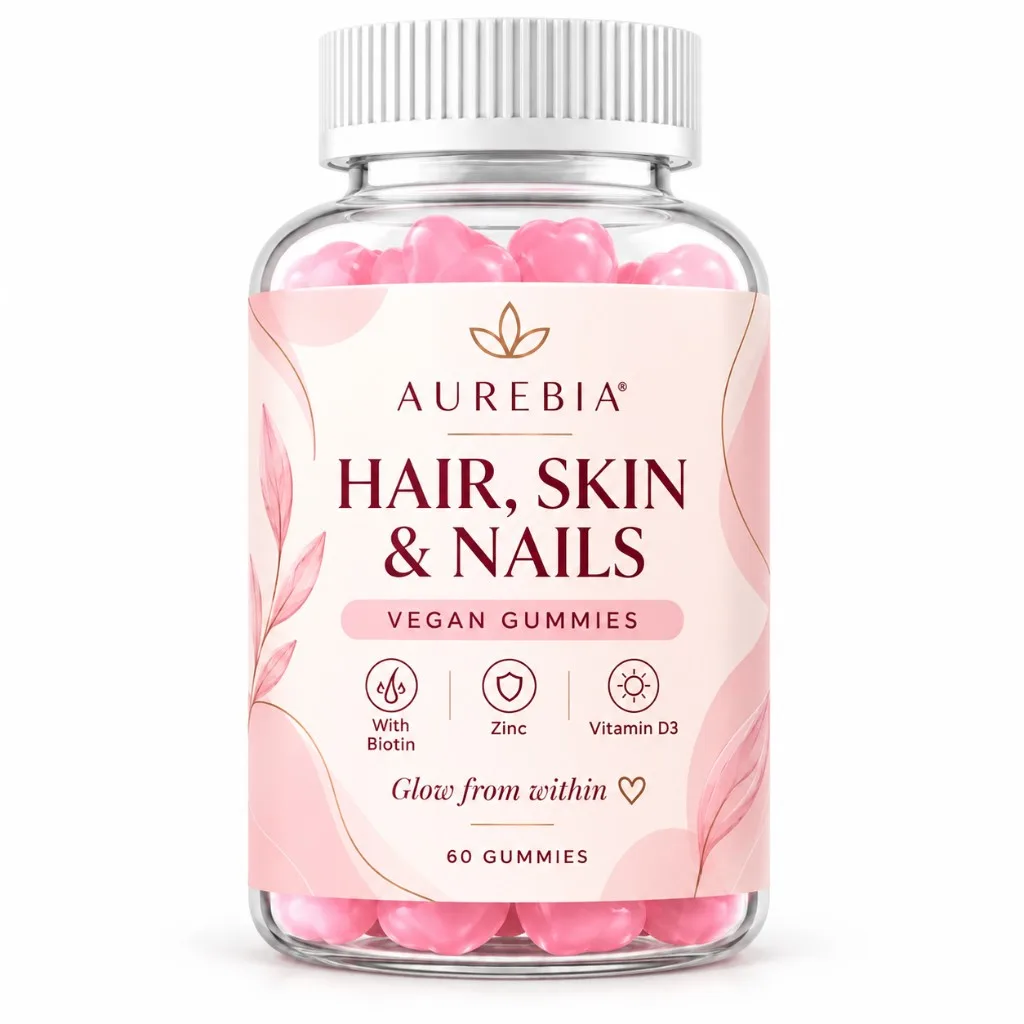
While much research is ongoing, nutrition still plays a foundational role in normal hair, scalp, and nail health. For those looking to support their overall nutrient intake as part of their beauty routine, Aurebia offers a simple approach.
Aurebia Vegan Gummies deliver:
The suggested routine is one gummy in the morning and one in the evening. A 90-day introductory order provides three bottles for $99, with no automatic subscription—just an option to continue later if you choose. You can see full details at aurebia.health/product.
If you use any supplement containing biotin, including Aurebia, and you need laboratory testing, tell your healthcare provider. Biotin can interfere with certain tests. This is especially important for people with ongoing medical care.
Yes, new research shows certain hair follicle cells can influence inflammation in the scalp, especially in conditions like psoriasis.
There’s little evidence that biotin helps with cancer-related hair loss. It’s best to check with your healthcare provider before using biotin if you’re undergoing cancer care.
Yes, biotin can distort the results of certain blood tests. Always inform your healthcare team if you’re taking biotin or products containing it.
Early research is promising, but there’s not enough clinical evidence yet. Larger studies in humans are needed to confirm its effects.
Yes, zinc contributes to the maintenance of normal hair, skin, and nails, which is why it’s included in the Aurebia formula.

If you’d like to see which Aurebia routine fits your beauty and wellness goals, answer a few quick questions at aurebia.health/quiz. You’ll get a plan and path for ordering your 90-day supply.

4 min read · OCT 21, 2026

5 min read · OCT 20, 2026

5 min read · OCT 19, 2026