Just a moment…
Just a moment…
Nail and hair changes can be more than just cosmetic worries—they may signal how our bodies respond to new therapies or supplements. Recent research highlights two topics with real-world consequences: unexpected nail and hair side effects linked to popular weight loss drugs, and risks associated with biotin supplements often used for hair and nail health. Here’s what the latest reports say and what you need to consider before changing your routine.

Medications like Ozempic and Wegovy—known as GLP-1 agonists—have revolutionized weight management for many people. But new findings reveal that their impact isn’t limited to the scale. According to a recent report, users of these weight loss drugs have experienced nail detachment (a condition where the nail separates from the nail bed), hair loss, and scalp inflammation at rates far higher than in those not taking these medications.
What surprised researchers most: weight loss alone did not fully account for these symptoms. In other words, it’s not just rapid slimming that’s causing the issues—there may be something about how these medications work in the body that affects hair and nail health. The mechanism isn’t fully understood yet, but the report makes it clear that these are not rare, isolated events.
Right now, more research is needed to explain exactly why these problems develop. If you’re considering or currently taking a GLP-1 agonist drug, be aware of these possible changes—and don’t ignore new or worsening nail, scalp, or hair symptoms.

Biotin, also known as vitamin B7, is a staple ingredient in many over-the-counter products marketed for hair and nail strength. It’s no surprise that people experiencing hair loss—such as those undergoing cancer treatment—might look to biotin for help. But according to a recent report, not only is there little evidence that biotin actually helps restore hair lost due to cancer therapy, the supplement can also interfere with important laboratory tests.
This interference isn’t minor. High-dose biotin can distort blood test results, potentially masking or mimicking signs of cancer recurrence and making it harder for doctors to monitor treatment. Experts warn that these disruptions can have real consequences for cancer care, delaying necessary treatment or creating confusion.
Beyond these hot topics, researchers are investigating longstanding herbal remedies and the rarest of skin disorders:
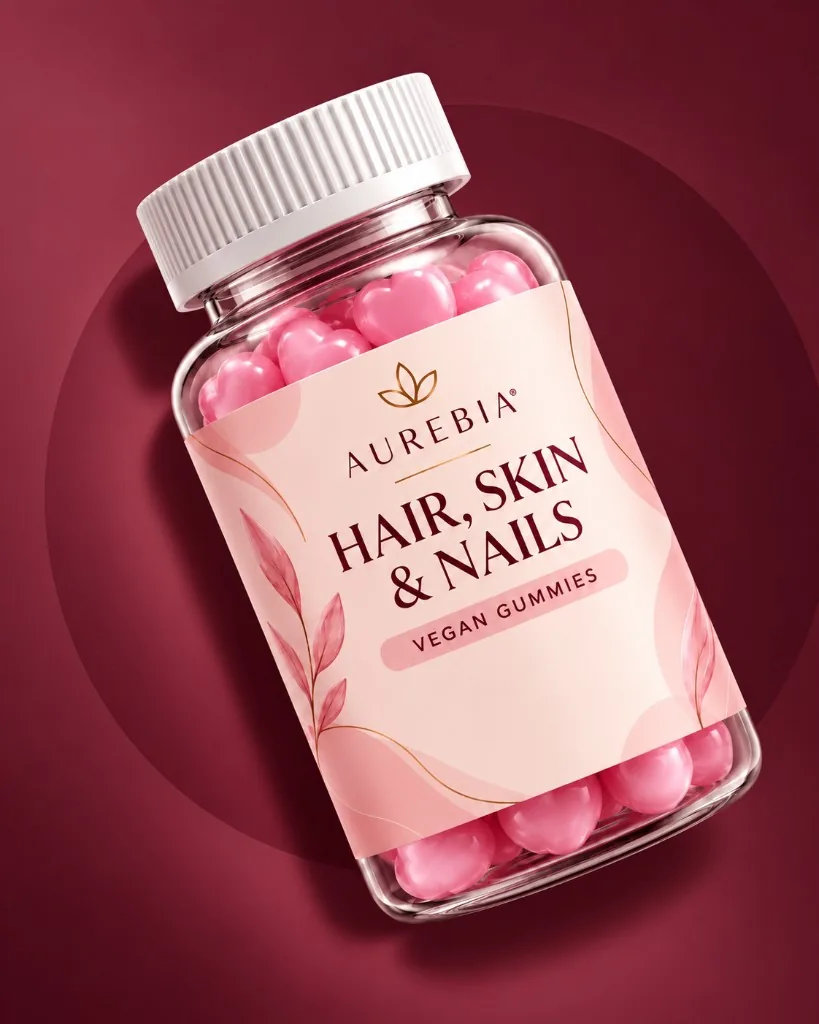
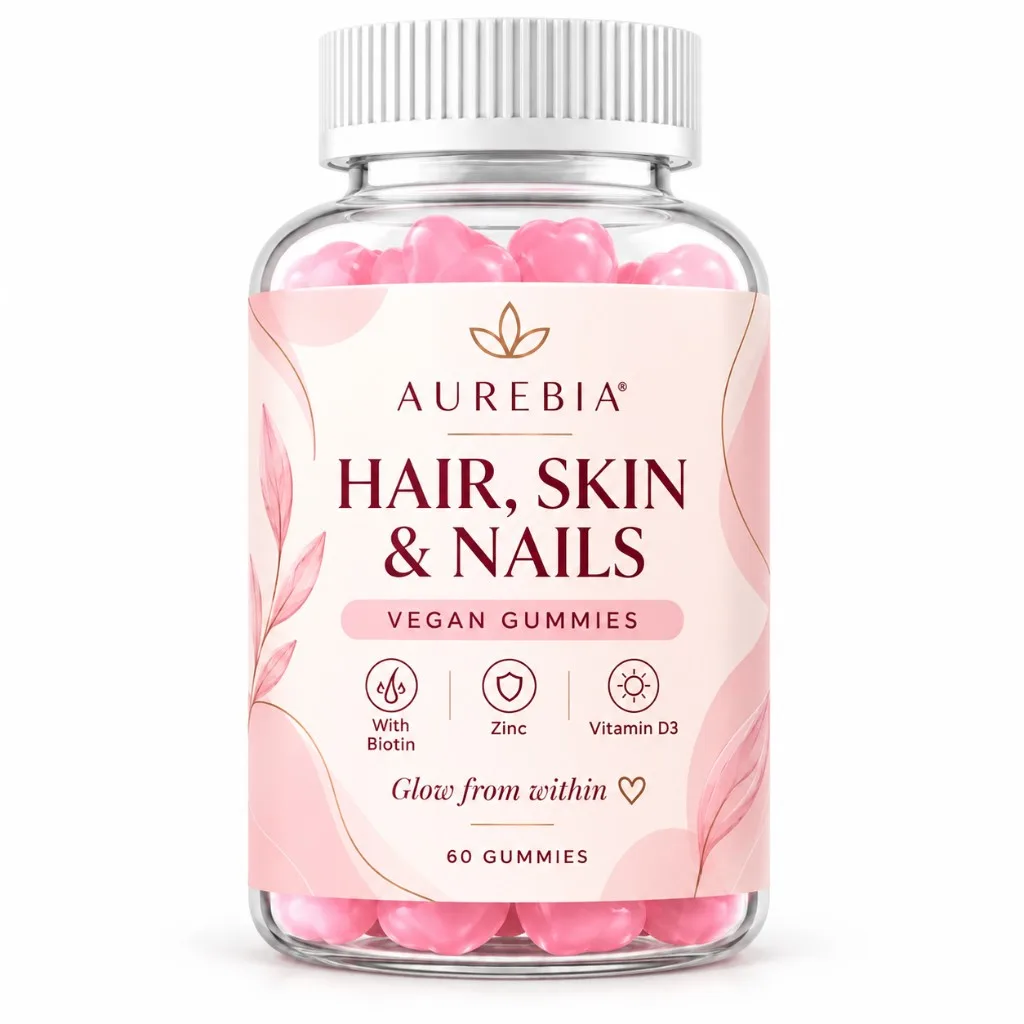
If you’re looking for a simple way to cover daily nutrition for hair, skin, and nails, Aurebia Vegan Gummies may offer an easy solution. Each daily serving provides:
The routine: one gummy in the morning, one in the evening. A 90-day supply (three bottles) is available for $99, with no automatic subscription required for the first order. If you take any supplement containing biotin, tell your healthcare provider before any lab tests, as biotin can affect certain results. For more details about the product and ordering, visit /product.

Yes, recent findings suggest that GLP-1 drugs like Ozempic and Wegovy are linked to increased rates of nail detachment and hair loss—not fully explained by weight loss itself.
No strong evidence supports biotin in restoring hair lost due to cancer treatments. Biotin may also interfere with important lab tests in cancer care.
Zinc contributes to the maintenance of normal hair, skin, and nails, and is included in Aurebia Vegan Gummies.
Yes. Always mention biotin supplements to your healthcare provider before any lab work, as biotin can affect certain blood test results.
No, everyone receives the same formula. The quiz helps suggest a routine, but the supplement bottle is always the same.
If you want to see the Aurebia routine that fits your goals, answer a few questions at /quiz.

4 min read · OCT 21, 2026

5 min read · OCT 20, 2026

5 min read · OCT 19, 2026