Just a moment…
Just a moment…
Many people looking to improve hair health turn to supplements and traditional remedies. But new research is challenging some common beliefs—especially about biotin. At the same time, centuries-old herbal treatments are getting another look from scientists. Here’s what the latest findings actually show.
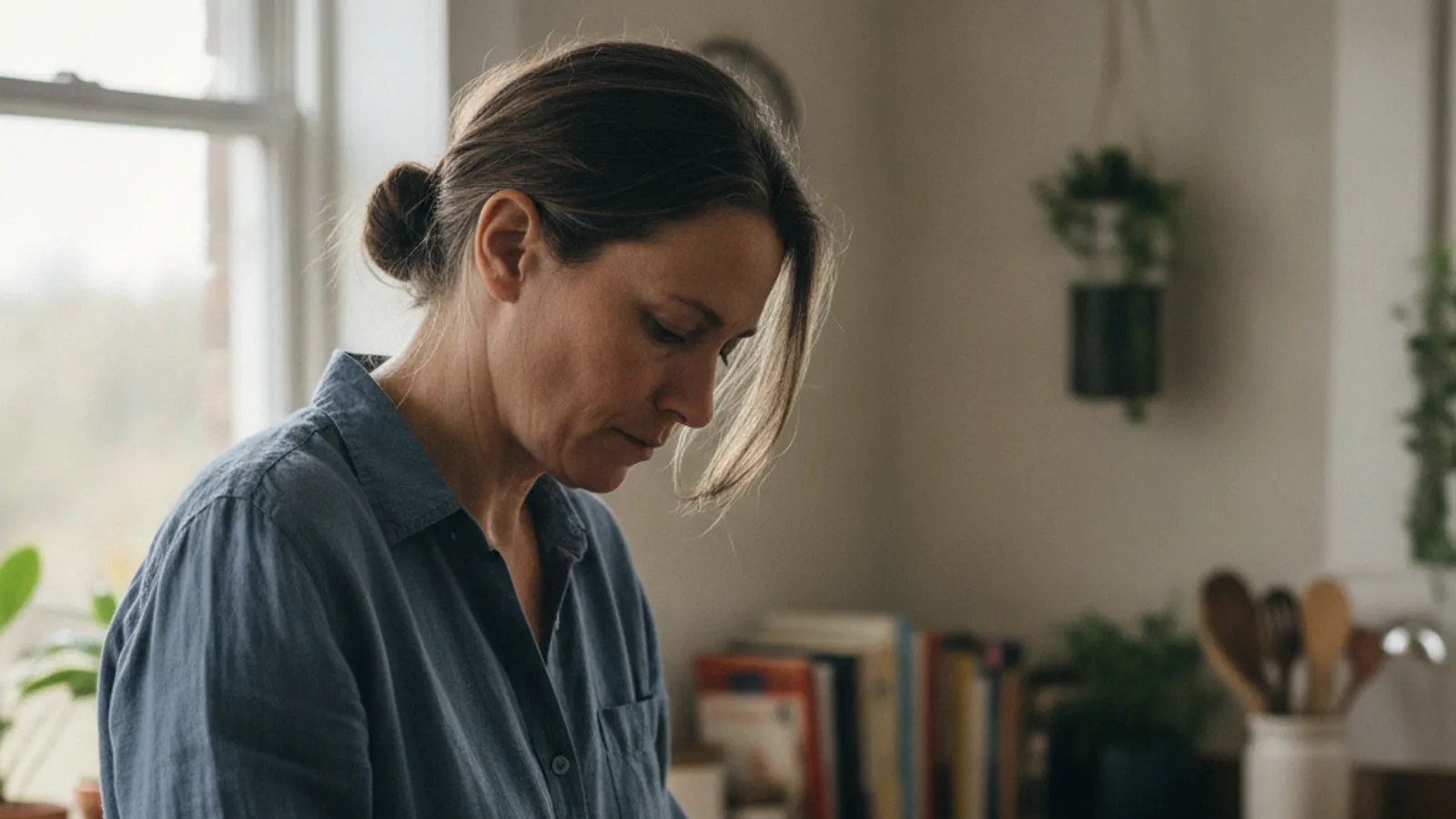
Biotin is everywhere these days—marketed for hair, skin, and nail strength. It’s especially popular among people experiencing hair loss, including those undergoing cancer treatment. But according to a recent report, many oncologists are warning that biotin may do more harm than good for cancer patients. (ScienceDaily)
There’s little evidence biotin supplements help with hair lost due to chemotherapy or other cancer treatments. What’s more, high doses of biotin might actually interfere with crucial lab tests. This interference can distort some blood markers and potentially hide important signs of cancer progression or recurrence. If you’re receiving cancer care, it’s important to let your healthcare team know about any biotin supplements you may be taking.
While biotin’s reputation is under review, ancient remedies are making headlines for new reasons. Polygonum multiflorum—known in traditional Chinese medicine for over a thousand years—is drawing research interest as a possible treatment for hair loss. Two reports this year highlight the herb’s multi-pronged effects. (ScienceDaily, June, ScienceDaily, February)

Modern studies suggest Polygonum multiflorum may:
Researchers are quick to point out these findings, while promising, don’t yet mean the herb is a proven cure for hair loss. Most research so far is early-stage. More rigorous human studies are needed before doctors can recommend the herb as part of standard hair-care routines. Herbal remedies may also interact with medications or cause side effects, so always check with a healthcare professional first.
On the topic of follicles, a new case study describes a rare skin disorder called naevus comedonicus. This condition features groups of dilated pores filled with keratin plugs and can sometimes be linked to deeper tissue changes. (Clinical and Experimental Dermatology) While this syndrome is unrelated to routine hair care, it’s a reminder that changes in skin or hair follicles sometimes have complex causes best addressed by a dermatologist.
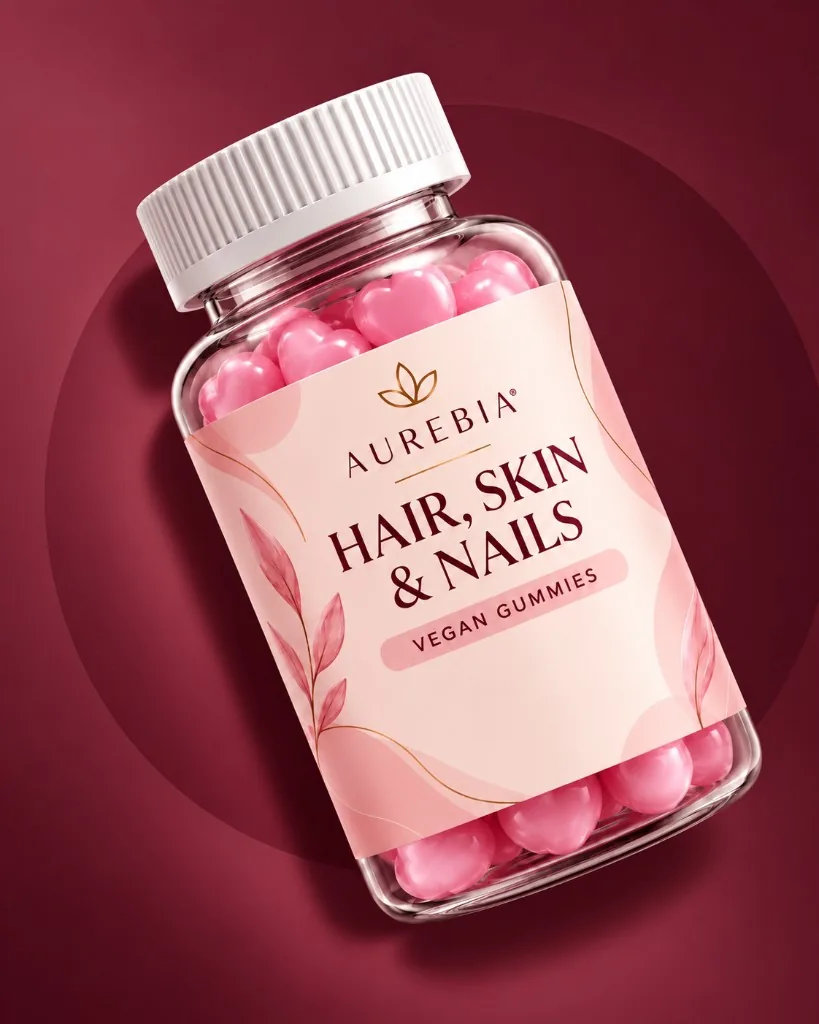
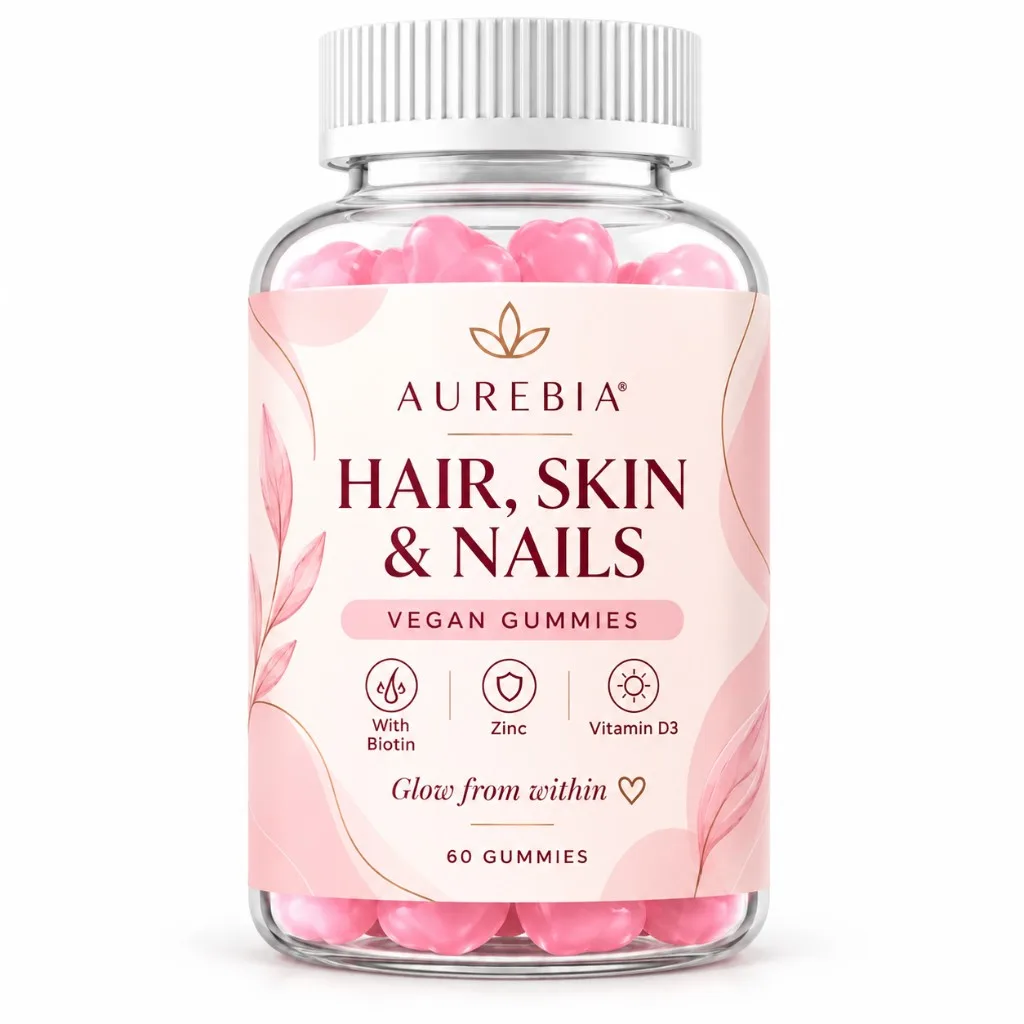
For those looking to support normal hair, skin, and nail health as part of a daily routine, Aurebia Vegan Gummies are one option. Each daily serving contains:
The formula is the same for everyone. Zinc contributes to the maintenance of normal hair, skin, and nails, which is why it’s included in the routine. The introductory offer is a 90-day supply (three bottles) for $99, without an automatic subscription. Learn more about the formula at aurebia.health/product.

No strong evidence shows biotin can restore hair lost due to chemotherapy or similar cancer treatments. Always check with your doctor before using supplements during cancer care.
Yes—biotin can interfere with certain lab analyses. Tell your healthcare provider and laboratory about any biotin supplements before blood tests.
Early studies are promising, but more human research is necessary before recommending it as a reliable treatment for hair loss.
Zinc contributes to the maintenance of normal hair, skin, and nails. It’s an essential mineral commonly included in hair, skin, and nail formulas.
No. Everyone receives the same formula, regardless of quiz responses.
If you want to see which Aurebia routine fits your goals, answer a few quick questions at aurebia.health/quiz.
4 min read · OCT 21, 2026

5 min read · OCT 20, 2026

5 min read · OCT 19, 2026