Just a moment…
Just a moment…
Everyday choices can affect the health of our hair, skin, and nails—even in ways we might not expect. New reports highlight how supplements and medications, commonly used for better appearance or medical care, can sometimes trigger surprising effects. Knowing what to look for helps you make smarter decisions and spot changes worth discussing with your healthcare provider.

It's not unusual to notice shifts in your hair or nails, especially during stressful times or medical treatments. But some causes aren't so obvious. For example, people living with chronic illnesses might see changes far beyond the expected. One recent hospital study in Nepal followed 75 patients with chronic liver disease, documenting a range of hair, skin, nail, and mouth changes. While the details of each finding weren't disclosed in the summary, the report underscores how underlying health can show up in unexpected places—sometimes long before other symptoms develop. (Read the report)
Biotin is a popular vitamin found in many “hair, skin, and nails” supplements. It's often taken by people who want to restore hair after medical treatments like chemotherapy. But recent warnings from doctors caution that biotin, while widely marketed for hair strength, hasn't shown clear benefits for hair loss caused by cancer therapies. Even more concerning: biotin can interfere with laboratory blood tests, including those used to monitor cancer treatment progress. This interference may mask problems or lead to incorrect results, complicating patient care. If you’re using a biotin supplement and undergoing medical testing, always let your doctor or laboratory know. (ScienceDaily summary)
Some newer medications for weight loss—known as GLP-1 receptor agonists, like Ozempic and Wegovy—have come under the spotlight for a different type of side effect. According to recent research, users of these medications reported higher-than-expected rates of nail detachment (when the nail separates from the nail bed), as well as hair loss and scalp inflammation. Researchers found that these issues couldn’t be explained by weight loss alone, meaning the drugs themselves may be contributing. If you notice sudden changes in your nails, hair, or scalp while on these medications, mention it to your doctor. (ScienceDaily summary)

Not all skin changes are caused by everyday factors. Some rare conditions, like naevus comedonicus, can cause persistent changes in skin texture and appearance from a young age. A recent case described a 14-year-old boy with a patch of skin featuring groups of dark, clogged pores and underlying chest wall deformity. While rare, such reports remind us that new or unusual changes in the skin—especially those present since childhood—may have a genetic or longstanding cause. (Read the report)
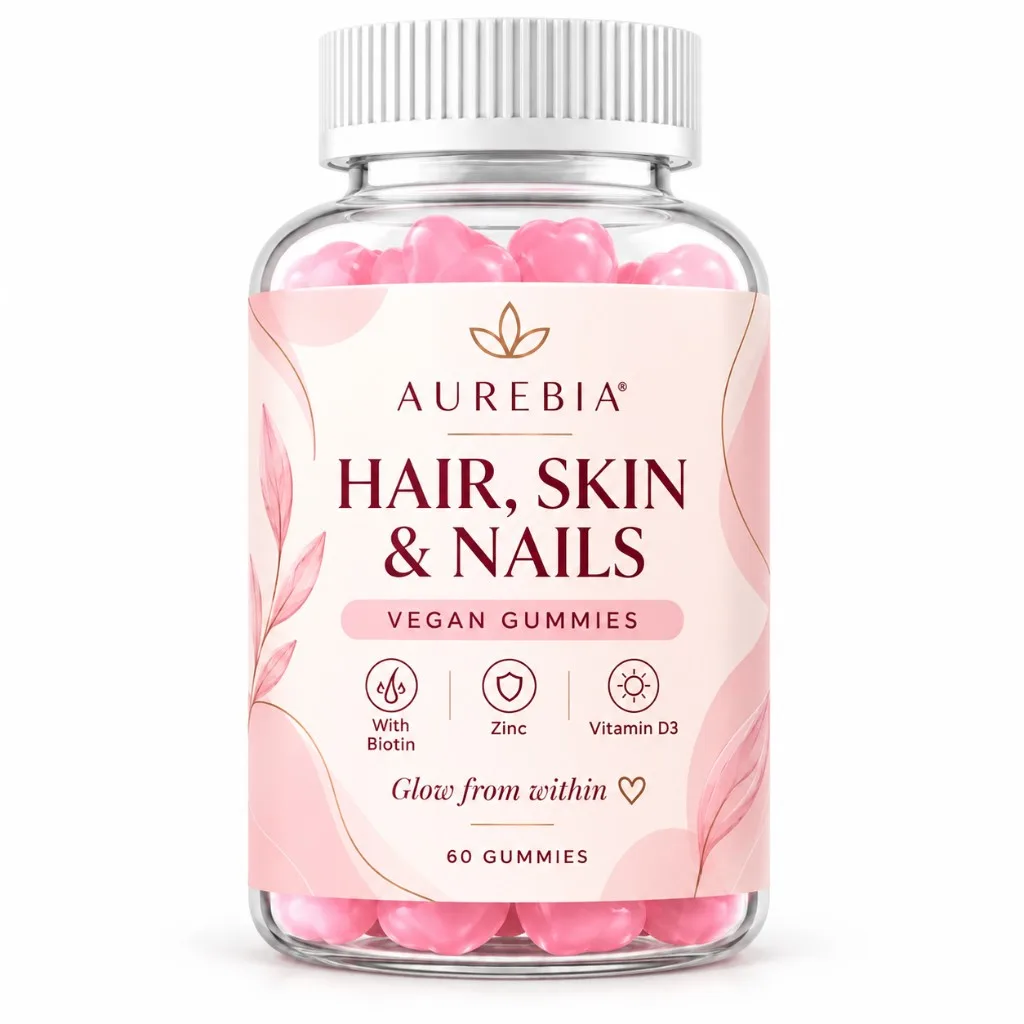
Most common hair, skin, and nail problems are influenced by nutrition, overall health, medications, and even genetics. Among nutrients, zinc is well-established as contributing to the maintenance of normal hair, skin, and nails. While it may feel tempting to add popular supplements—especially if you’re experiencing changes—it's important to know which ingredients play a genuine physiological role, and which are more hype than help.
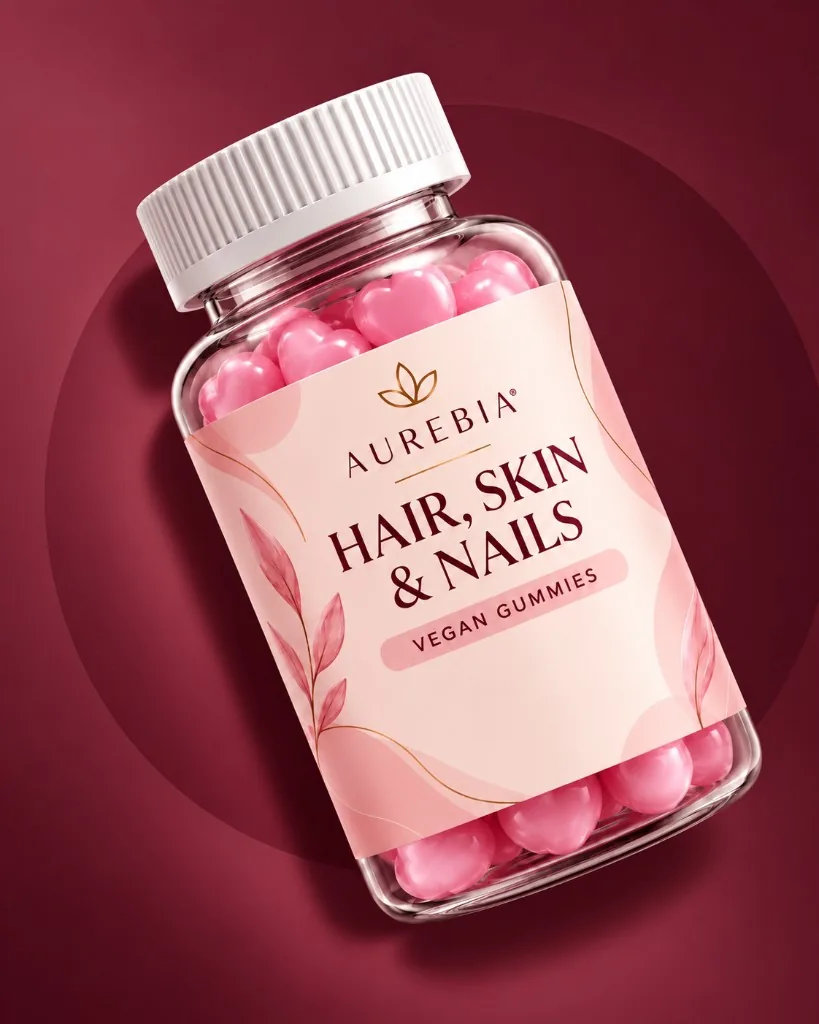
At Aurebia, our vegan gummies are formulated to include nutrients with established roles for hair, skin, and nail health. Each daily serving delivers:
The recommended routine is one gummy in the morning and one in the evening. A 90-day introductory order includes three bottles (180 gummies) for $99, with no automatic subscription. Learn more at aurebia.health/product.
Changes in your hair, skin, or nails can signal everything from simple lifestyle shifts to effects of medication or underlying health conditions. While supplements have their place, be mindful that popular ingredients like biotin aren’t always a fix—and can sometimes complicate other medical care. When in doubt, check with your healthcare provider and let them know about all supplements you’re taking.
No strong evidence shows that biotin helps restore hair after cancer treatment. In some cases, it may interfere with important lab tests. Always discuss supplement use with your doctor during active treatment.
Zinc contributes to the maintenance of normal hair, skin, and nails. Adequate nutrition overall is also important for their health.
Research is ongoing. Some people experience nail detachment or hair loss while taking certain weight loss drugs, but it's not clear if these changes are permanent. If you notice symptoms, consult your healthcare provider.
Yes. Some supplements—like biotin—can interfere with blood test results. Always inform your doctor or laboratory about any supplements you take.
If you want to discover the Aurebia routine that fits your hair, skin, and nail goals, answer a few quick questions at aurebia.health/quiz.

4 min read · OCT 21, 2026

5 min read · OCT 20, 2026

5 min read · OCT 19, 2026