Just a moment…
Just a moment…
If you’re looking after your hair, skin, and nails, new research offers both caution and insight into common supplements, medications, and health conditions. Here’s what the latest reports show—and what’s worth knowing before you reach for a bottle.

Many people experiencing hair loss during cancer treatment hope that biotin, a vitamin often marketed for hair and nail strength, can help restore what’s lost. Yet a recent report highlights key concerns for anyone considering biotin supplements in this setting. The ScienceDaily article describes warnings from doctors that not only is there little evidence biotin helps with cancer-related hair loss, but the vitamin can also interfere with essential blood tests. Since some lab tests use biotin-based technology, high doses of biotin may distort results and potentially mask important health information during cancer care. This risk is especially relevant for people undergoing frequent monitoring, where accurate lab results are crucial.
For those without a deficiency, adding extra biotin isn’t proven to speed up hair regrowth after chemotherapy or prevent shedding. If you’re thinking about using biotin supplements—especially in the context of medical treatment—it’s wise to let your healthcare provider know about everything you’re taking, including over-the-counter vitamins. For further reading, see the full report here: ScienceDaily: Doctors warn this popular vitamin may quietly disrupt cancer care.
Popular injectable medications for weight loss, such as GLP-1 agonists (including Ozempic and Wegovy), have become household names. But a newly surfaced report indicates that people taking these drugs may be experiencing unexpected nail and scalp symptoms. Researchers found that users reported nail detachment, hair loss, and scalp inflammation at rates much higher than those not using the medications. Interestingly, these symptoms weren’t fully explained by weight loss alone. The findings suggest the drugs themselves might contribute to these changes, though more research is needed to understand why.

If you’re on a GLP-1 medication and notice changes to your nails or scalp, bring it up with your healthcare provider. Nail and hair symptoms can have multiple causes, and addressing underlying issues early can help you protect your overall skin and nail health. Read the original summary for more: ScienceDaily: Popular weight loss drugs linked to a surprising fingernail problem.
Our skin, hair, and nails can sometimes reveal clues about our internal health. A recent prospective cross-sectional study from Nepal looked at 75 people with chronic liver disease and documented a range of changes affecting skin, hair, nails, and mucous membranes. While the details are specific to liver disease, the study serves as a reminder: visible changes in these tissues can sometimes signal a deeper health issue.
If you notice new or persistent changes in your skin, hair, or nails—especially alongside other health symptoms—it may be worth discussing with a healthcare professional. They can help determine if further investigation is needed. You can view the description of the study here: Skin Health and Disease: Mucocutaneous manifestations in patients with chronic liver disease.
Another strand of recent research is shedding light on the microscopic world right on our skin’s surface. According to a new review, the skin is home to a diverse ecosystem of resident microbes and surface molecules. The health of this ecosystem—called the skin microbiome—plays a pivotal role in keeping our skin barrier intact and defending against daily stressors. When metabolic activity at this interface is disrupted, it can weaken the barrier and lead to skin problems, including inflammation and infection.
This research emphasizes the importance of overall skin care that supports both barrier function and a healthy microbiome. Factors such as harsh cleansers, overuse of antibiotics, and even some lifestyle habits can all tip the balance, sometimes with visible effects on skin quality.
To explore the subject in detail, see: British Journal of Dermatology: Skin Microbiome Metabolism in Cutaneous Microenvironments.
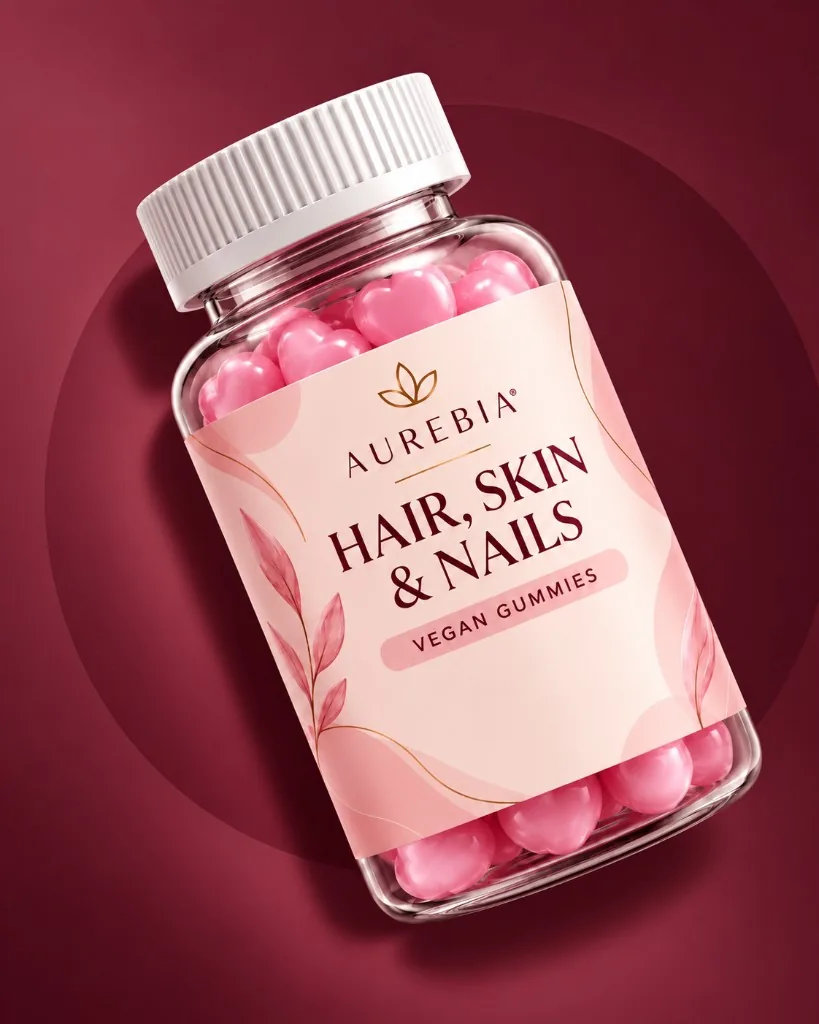
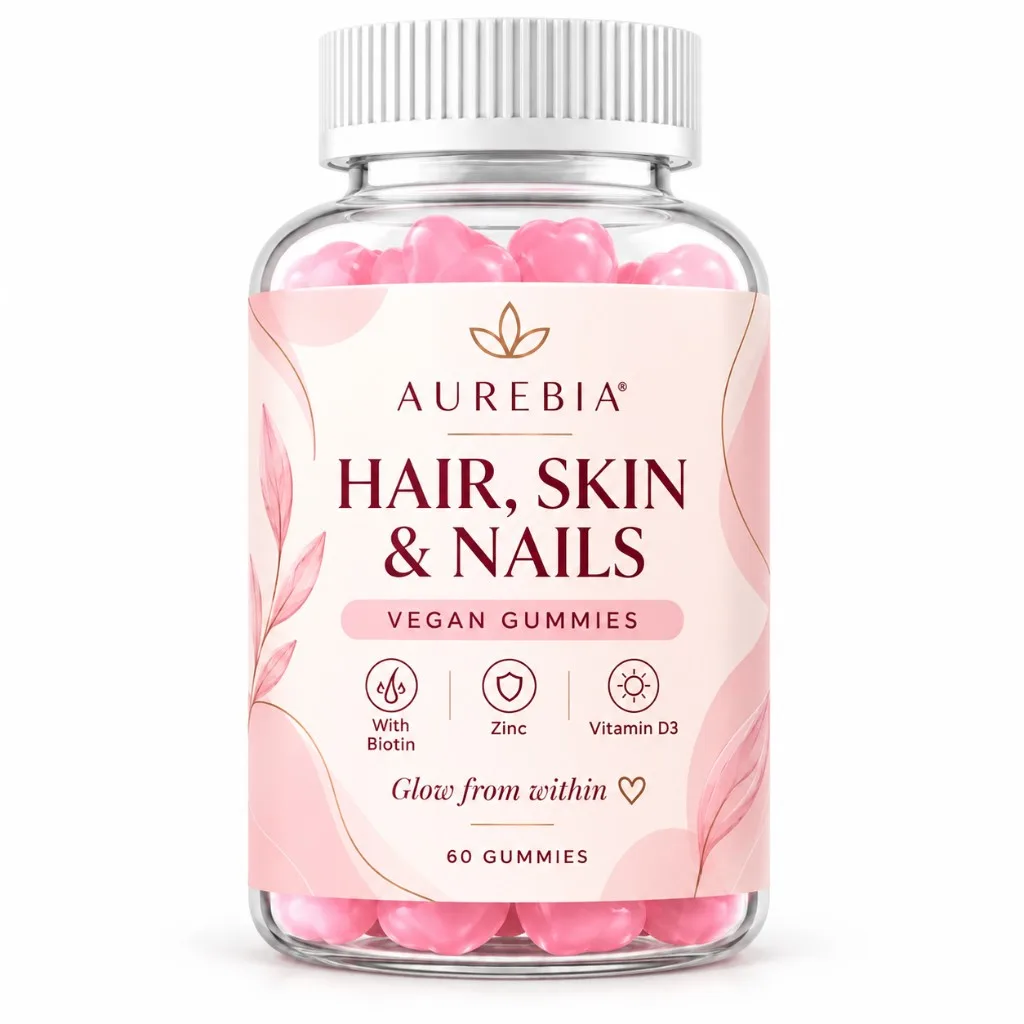
Nutrition plays a foundational role in supporting the normal function of hair, skin, and nails. Zinc, for example, is an essential mineral that contributes to the maintenance of normal hair, skin, and nails—a fact supported by health authorities worldwide. Each daily serving of Aurebia Vegan Gummies provides 10 mg of zinc (as citrate), alongside biotin and vitamin D3. The routine is straightforward: one gummy in the morning, one in the evening. An initial 90-day order contains three bottles (a full 90-day supply) for $99, with no automatic subscription. Learn more about the product and its ingredients here: aurebia.health/product.
No current evidence supports biotin’s ability to restore hair lost from cancer treatment. In fact, biotin may interfere with important lab tests, especially for cancer patients. Always check with your doctor before starting new supplements during treatment.
Recent reports suggest that GLP-1 weight loss medications can be linked to nail detachment, hair loss, and scalp inflammation, beyond what would be expected from weight loss alone. If you experience these symptoms, talk to your healthcare team.
Zinc is necessary for maintaining normal hair, skin, and nails. It plays structural and metabolic roles in these tissues. A balanced diet typically provides enough for most people.
The skin’s microbiome helps maintain barrier function and protects against harmful bacteria. Disruption in this ecosystem can increase the risk of irritation and skin disease.
Sudden or severe nail changes can have many causes—including medication effects or underlying health conditions. Persistent changes should be evaluated by a healthcare professional.
If you’d like help building a routine for hair, skin, and nail nutrition, Aurebia offers a quick set of questions to match your goals with a suggested plan and product order. Get started here: aurebia.health/quiz.
4 min read · OCT 21, 2026

5 min read · OCT 20, 2026

5 min read · OCT 19, 2026