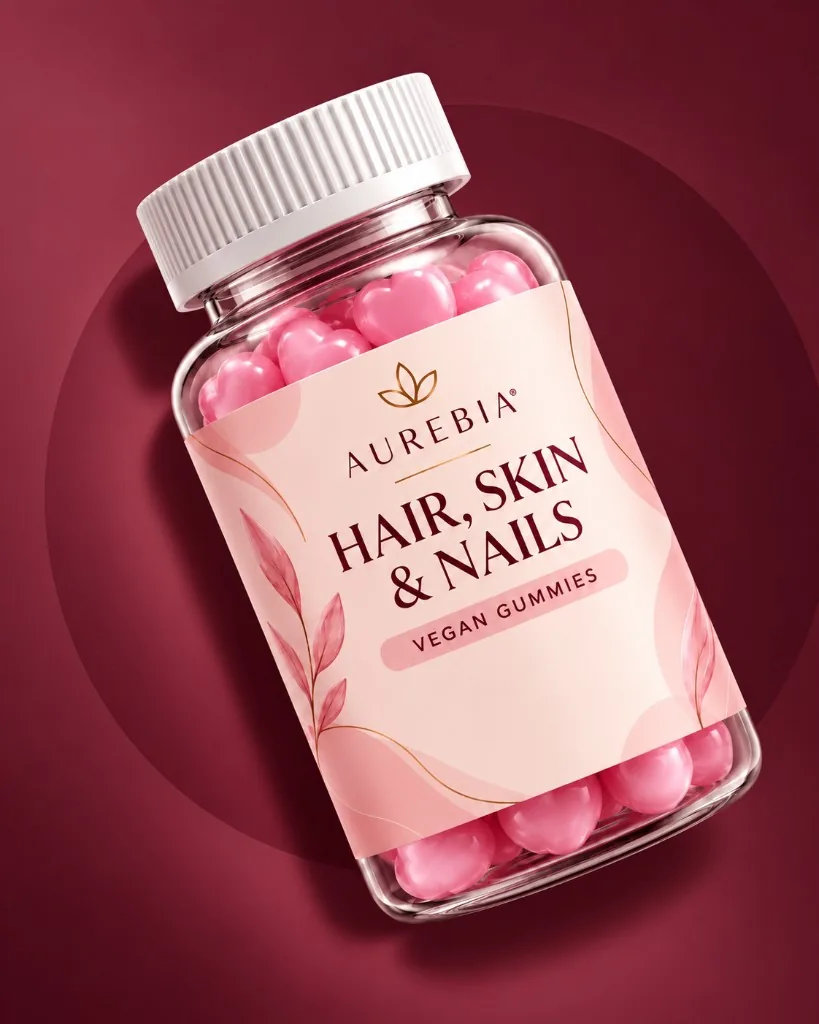
Just a moment…
Just a moment…
People searching for solutions to hair loss or nail problems often turn to supplements, medications, or even ancient remedies. But new research is raising some important questions about which approaches work—and which might cause more problems than they solve.

Biotin is one of the most popular ingredients in hair and nail supplements. Many people believe it can strengthen brittle nails or restore hair during stressful times—including after cancer treatments that cause hair loss. However, a recent report warns that this enthusiasm may be misplaced, especially for cancer patients. The clinical concern isn’t just whether biotin works, but whether it’s safe to use in these situations.
According to ScienceDaily’s summary, some doctors are warning that biotin supplements can quietly disrupt cancer care. The issue? Biotin can interfere with laboratory tests that measure blood markers used to monitor cancer. This means a high-dose biotin supplement could potentially mask important changes in a patient’s health, making it harder for doctors to track cancer progression or response to treatment.
What about biotin’s effectiveness for hair regrowth after chemotherapy or radiation? Evidence remains limited. The report notes that, despite marketing claims, there’s little proof biotin truly helps with cancer-related hair loss. For anyone considering high-dose biotin—especially those in cancer care—it’s crucial to tell your healthcare provider about all supplements you’re taking, including biotin, to avoid hidden risks with lab tests.
The popularity of GLP-1 weight loss medications like Ozempic and Wegovy has soared, but researchers are now identifying new side effects beyond weight management. According to a recent report, users of these drugs are experiencing much higher rates of nail detachment (onycholysis), hair loss, and even scalp inflammation—often at rates several times higher than in people who aren’t taking these medications.
Interestingly, these symptoms can’t be explained by weight loss alone. The findings suggest the drugs might directly affect hair follicles, nail beds, or scalp health, although more research is needed to understand why. If you’re using a GLP-1 medication and notice changes to your nails, hair, or scalp, it’s a good idea to discuss these symptoms with your healthcare provider. Nail detachment in particular can be uncomfortable and may lead to further complications if not managed promptly.

| Issue | Recent Finding | What to Know |
|---|---|---|
| Biotin supplements | Can interfere with lab tests, especially during cancer care | Tell your doctor before testing if taking biotin |
| GLP-1 weight loss drugs | Linked to higher rates of nail detachment, hair loss, scalp inflammation | Monitor for symptoms and consult your doctor |
| Ancient herbal remedies | Traditional Chinese root Polygonum multiflorum under study for hair loss | Promising early science, but not a proven solution |
Traditional remedies often attract curiosity, and now scientists are taking a closer look at Polygonum multiflorum—a root used in Chinese medicine for centuries. Recent scientific reports suggest that this herb acts on several pathways linked to hair growth. According to one summary, Polygonum multiflorum may block certain hormones that shrink hair follicles, help protect those follicles from damage, activate natural regrowth signals, and improve blood flow to the scalp. Another report echoes these findings, adding that both ancient beliefs and modern science seem to align about its potential.
It’s important, however, to keep these findings in perspective. Most research so far is preliminary, and larger human studies are needed to determine if Polygonum multiflorum truly helps with common forms of hair loss. Traditional uses provide valuable clues, but proven, safe treatments still require strong clinical evidence. If you’re interested in herbal supplements, consult a knowledgeable healthcare provider—some traditional herbs can interact with other medications or cause side effects.
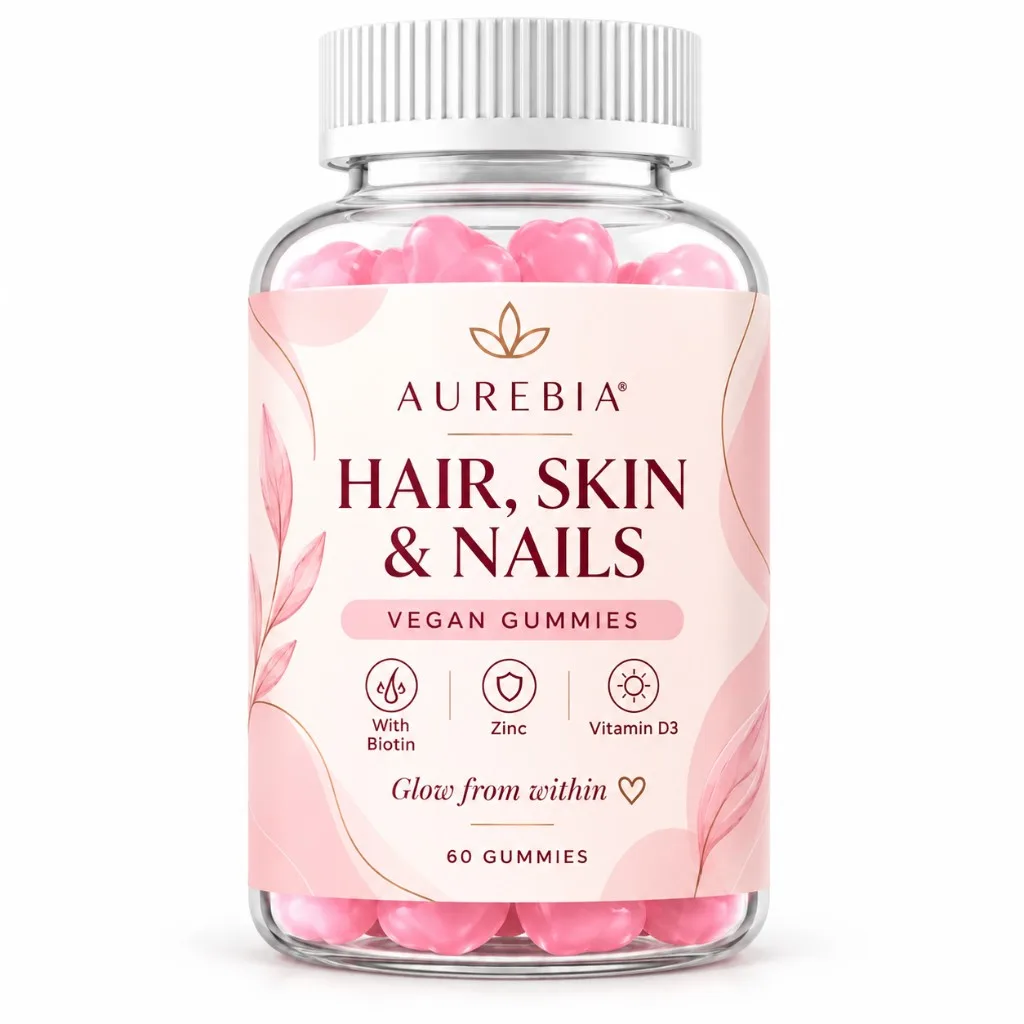
Aurebia Vegan Gummies offer a simple way to include select nutrients in your daily routine. Each serving contains:
The recommended routine is one gummy in the morning and one in the evening. Each introductory order includes three bottles (a 90-day supply) for a single payment of $99—no automatic subscription during that period. Learn more at /product.
It’s worth noting that zinc contributes to the maintenance of normal hair, skin, and nails. As always, tell your healthcare provider about all supplements you take—especially if you have upcoming lab tests or are managing a medical condition. While biotin is included in many routines, supplements containing biotin can interfere with some laboratory measurements, so mentioning them to your doctor is a smart move.

There is little evidence that biotin supplementation helps restore hair lost from cancer treatment. Always tell your healthcare provider before starting biotin, especially if you’re undergoing lab tests.
Some people taking medications like Ozempic and Wegovy report higher rates of nail detachment, or onycholysis, along with hair loss and scalp inflammation. These effects appear to occur more often than in people not taking these drugs.
Early research suggests this traditional Chinese root may affect hair growth, but definitive human studies are still needed. Consult a healthcare provider before trying new herbal supplements.
Yes, zinc contributes to the maintenance of normal hair, skin, and nails. Deficiency in zinc can affect these tissues, but most people get enough through diet or supplements when needed.
Biotin can interfere with some lab tests. Always inform your healthcare provider and laboratory staff if you’re taking biotin or a supplement containing biotin.
If you’d like help finding a routine, answer Aurebia’s simple questionnaire and see which plan matches your goals: /quiz.

4 min read · OCT 21, 2026

5 min read · OCT 20, 2026

5 min read · OCT 19, 2026