What Recent Research Tells Us About Biotin, Rare Skin Conditions, and New Ideas for Hair Loss
If you’re looking for stronger hair, healthier skin, or ways to care for your nails, it’s easy to get lost in the latest headlines and supplements. But what does the newest research actually say about popular vitamins like biotin, rare skin conditions, and alternative approaches to hair loss? Here’s a practical look at what’s new—and what might matter for your routine.
Biotin Supplements: Risks and Realities for Hair Loss
Biotin often shows up in the hair-care aisle, especially in formulas promising to restore hair after loss. Many people, including those undergoing cancer treatment, turn to biotin hoping for regrowth. But recent warnings from doctors highlight a hidden problem: biotin supplements can interfere with blood tests, potentially affecting cancer care. According to a report described by ScienceDaily, high-dose biotin can distort results for certain lab tests. This can make blood markers look better or worse than they truly are, possibly masking important details about a patient’s health.
There’s also little evidence that taking biotin helps with hair loss from cancer treatment. While biotin is an essential B vitamin and deficiency can cause hair changes, most people get enough from food. Supplementing beyond normal requirements hasn’t been proven to reverse hair loss related to chemotherapy or other causes in healthy people. If you take any supplement containing biotin, always tell your healthcare provider before having lab tests—especially if you are being monitored for any medical condition.
Rare Skin Disorders: Focus On Naevus Comedonicus and Epidermal Differentiation Disorders
Some skin conditions are so rare that most people never hear about them. Naevus comedonicus is one example—a benign disorder marked by clusters of dark, keratin-filled pores, sometimes appearing in childhood and spreading with age. A recent case reported in Clinical and Experimental Dermatology described a teenage boy whose skin lesions on the chest slowly expanded over time. While naevus comedonicus is not dangerous, it can change the skin’s texture and appearance, and sometimes causes emotional distress. Treatments are typically focused on managing symptoms and appearance, often with input from a dermatologist.

Another group of unusual skin problems is called epidermal differentiation disorders (EDDs), which include conditions like congenital ichthyosis. EDDs are rare, genetic disorders that disrupt the skin’s barrier, leading to chronic dryness, inflammation, and other complications. Recent research published in the British Journal of Dermatology is exploring how understanding genetics, immune system differences, and the skin’s microbiome could lead to more personalized care for these complex conditions. Although these advances are mainly for rare diseases, they expand our knowledge of how the skin barrier works and why it matters for everyone—especially as we age or deal with irritation.
New Interest in Ancient Remedies: Polygonum multiflorum for Hair Loss
Conventional and traditional medicine don’t always see eye to eye, but sometimes history points researchers in new directions. Polygonum multiflorum, also known as Fo-Ti, is a root used in Chinese medicine for centuries. Now, modern studies highlighted by ScienceDaily are examining how this herb might affect hair loss—suggesting it could block certain hormones linked to hair thinning, stimulate hair growth signals, protect follicles, and improve scalp blood flow. While these findings are early, and most research so far uses lab or animal models, the renewed interest underscores a broader trend: looking for new, evidence-based options beyond the usual formulas.
Still, herbs like Polygonum multiflorum come with their own cautions, including potential side effects and the need for proper oversight. If you’re considering any herbal supplement, talk to your healthcare provider first, especially if you take medication or have underlying health issues.
Where Aurebia Fits In
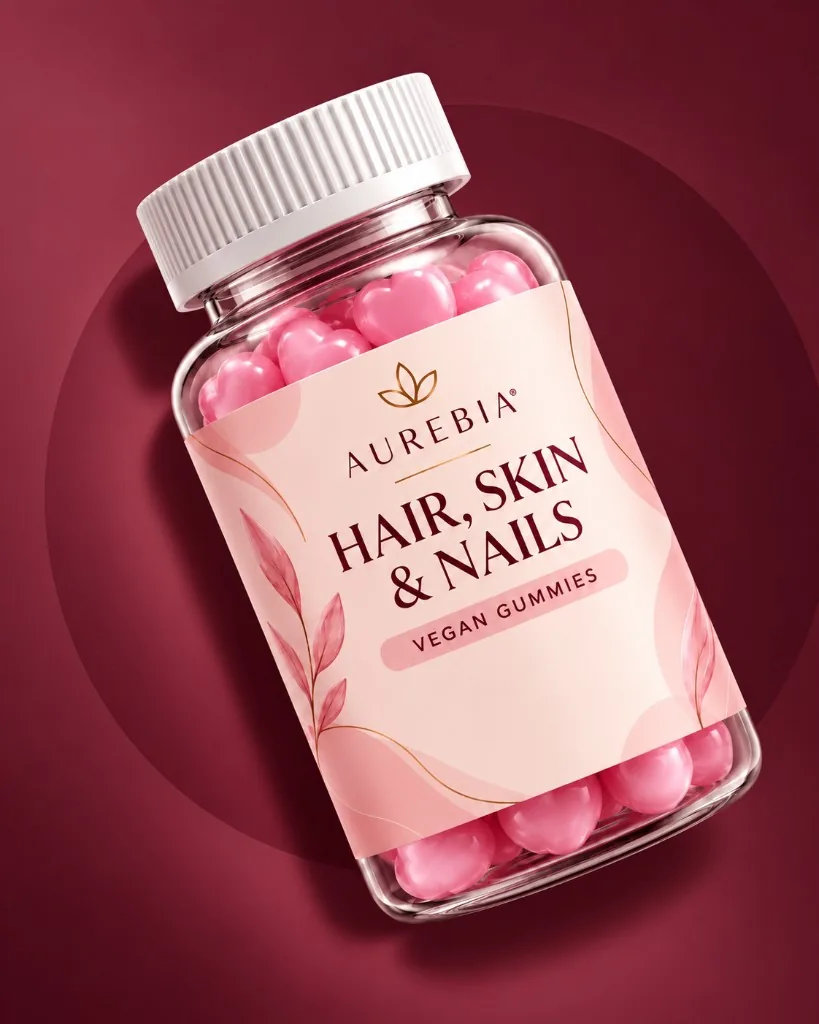
When it comes to everyday support for hair, skin, and nails, simple routines can help you cover the basics. Aurebia Vegan Gummies contain three nutrients: biotin (5 mg), zinc as citrate (10 mg), and vitamin D3 (10 µg). You take one gummy in the morning and one in the evening, providing a steady intake of these essentials. The formula is the same for everyone, and a 90-day supply (three bottles) is currently offered at $99 as a one-time payment—no subscription required during that period. You can read more about the product or order directly from the Aurebia shop.
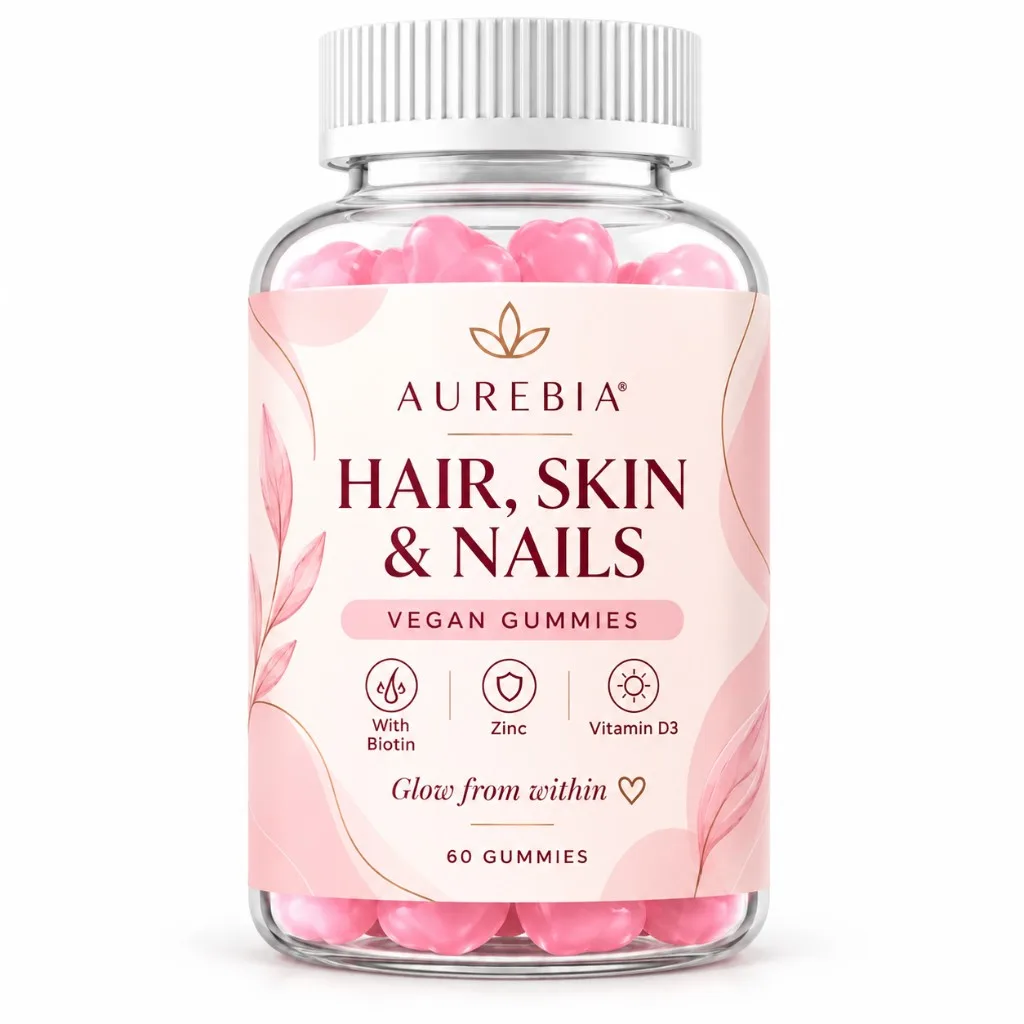
Of these ingredients, only zinc is officially recognized as contributing to the maintenance of normal hair, skin, and nails. Biotin and vitamin D3 are included as they’re both important micronutrients, but claims about hair, skin, or nail benefits should be kept within what’s supported by established nutrition science. If you take biotin supplements for any reason, remember to let your doctor or lab know, since it can interfere with certain medical tests.
What We Know and What We Don’t
| Topic | What’s Supported | What’s Unproven or Needs Caution |
|---|---|---|
| Biotin Supplements | Necessary for health; zinc contributes to normal hair, skin, nails | No strong evidence for reversing cancer-related hair loss; can interfere with lab tests |
| Rare Skin Disorders | New genetics and barrier research may improve care for rare conditions | Treatments are specialized; not generalizable to common skin concerns |
| Polygonum multiflorum | Traditional use, early lab/animal findings | Lack of robust human data; possible side effects |
Key Takeaways
- Biotin is widely used for hair, but its benefits for hair loss—especially after cancer treatment—are not proven, and it can disrupt lab results.
- Rare skin disorders are getting new attention from personalized medicine, but these advances are focused on uncommon conditions.
- Traditional herbs like Polygonum multiflorum are generating research interest, but evidence for their effectiveness in people is still limited.
- For routine support, zinc is confirmed to help maintain normal hair, skin, and nails, as found in Aurebia Vegan Gummies.
FAQ
Can taking biotin help with cancer-related hair loss?
There’s little evidence that extra biotin helps regrow hair lost due to cancer treatment. Always talk to your doctor before using any supplement during or after cancer care.
Does biotin supplementation affect lab tests?
Yes. High-dose biotin can interfere with several blood tests, sometimes masking or distorting important results. Be sure to tell your healthcare provider about any biotin supplements before testing.
Is Polygonum multiflorum proven to regrow hair?
No. While it’s being studied for potential effects on hair loss, most evidence so far comes from lab and animal studies rather than large, well-controlled trials in people.
What nutrients are confirmed to support normal hair, skin, and nails?
Zinc is officially recognized for contributing to the maintenance of normal hair, skin, and nails. Biotin and vitamin D are essential nutrients, but only zinc carries this specific claim for supplements like Aurebia Vegan Gummies.
Should I use herbal supplements for hair loss?
Herbal remedies can have side effects and may not be well-studied in humans. Always consult a healthcare professional before starting any new supplement, especially if you have health conditions or take prescription drugs.
Sources
- Doctors warn this popular vitamin may quietly disrupt cancer care (ScienceDaily)
- Naevus comedonicus syndrome case report (Clinical and Experimental Dermatology)
- Personalised therapeutics for epidermal differentiation disorders (British Journal of Dermatology)
- Ancient Chinese medicine could transform hair loss treatment (ScienceDaily)
If you’re curious which routine may fit your hair, skin, and nail goals, answer a few quick questions and see the Aurebia plan designed for you: Start the Aurebia quiz.