Just a moment…
Just a moment…
If you focus on healthy hair, skin, and nails, you probably hear about zinc and biotin often. But what do current studies actually say about using these nutrients—especially as supplements? Let's look at some new findings to help you make informed choices.

Biotin is a vitamin B7 supplement widely promoted for hair and nail strength. It's especially popular among people dealing with hair loss, including those who have lost hair due to cancer treatments. However, a recent report in ScienceDaily highlights a risk that isn't well known. Some doctors now warn that taking biotin supplements can actually interfere with laboratory blood tests. This interference can distort important markers, potentially masking cancer progression or affecting treatment decisions. The report also points out there's little solid evidence to support using biotin to address hair loss specifically linked to cancer therapy. If you're in cancer care and considering biotin, it's essential to talk with your healthcare team and always inform labs and doctors about any supplements you're taking.
Read more in the ScienceDaily report: Doctors warn this popular vitamin may quietly disrupt cancer care.
Zinc is fundamental for many bodily functions, including maintaining normal hair, skin, and nails. A recent study published in Clinical and Experimental Dermatology looked at zinc supplementation in dermatology patients. The researchers focused on whether taking extra zinc might reduce serum copper levels, since these minerals can compete for absorption in the body. Their findings? Zinc supplementation did not result in reduced serum copper among the patients studied. This is reassuring for those who worry about possible mineral imbalances when supplementing with zinc under medical guidance.

While less common, certain scalp and hairline nodules can signal rare genetic conditions. A recent case described in Clinical and Experimental Dermatology involved a woman with several distinct, long-standing nodules on her scalp and eyebrow. Laboratory analysis identified different kinds of skin appendage tumors, pointing to a rare inherited condition known as CYLD cutaneous syndrome. This case is a reminder that persistent or unusual scalp changes should be evaluated by a dermatologist. Most people will never encounter this syndrome, but awareness is important.
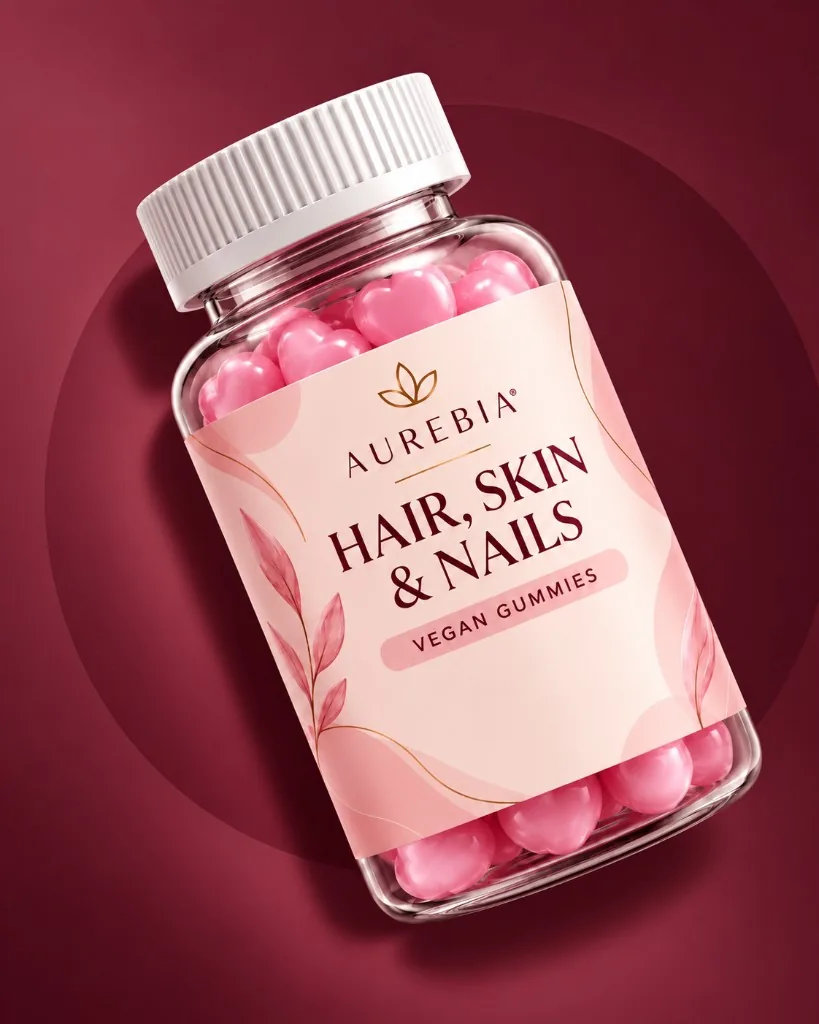
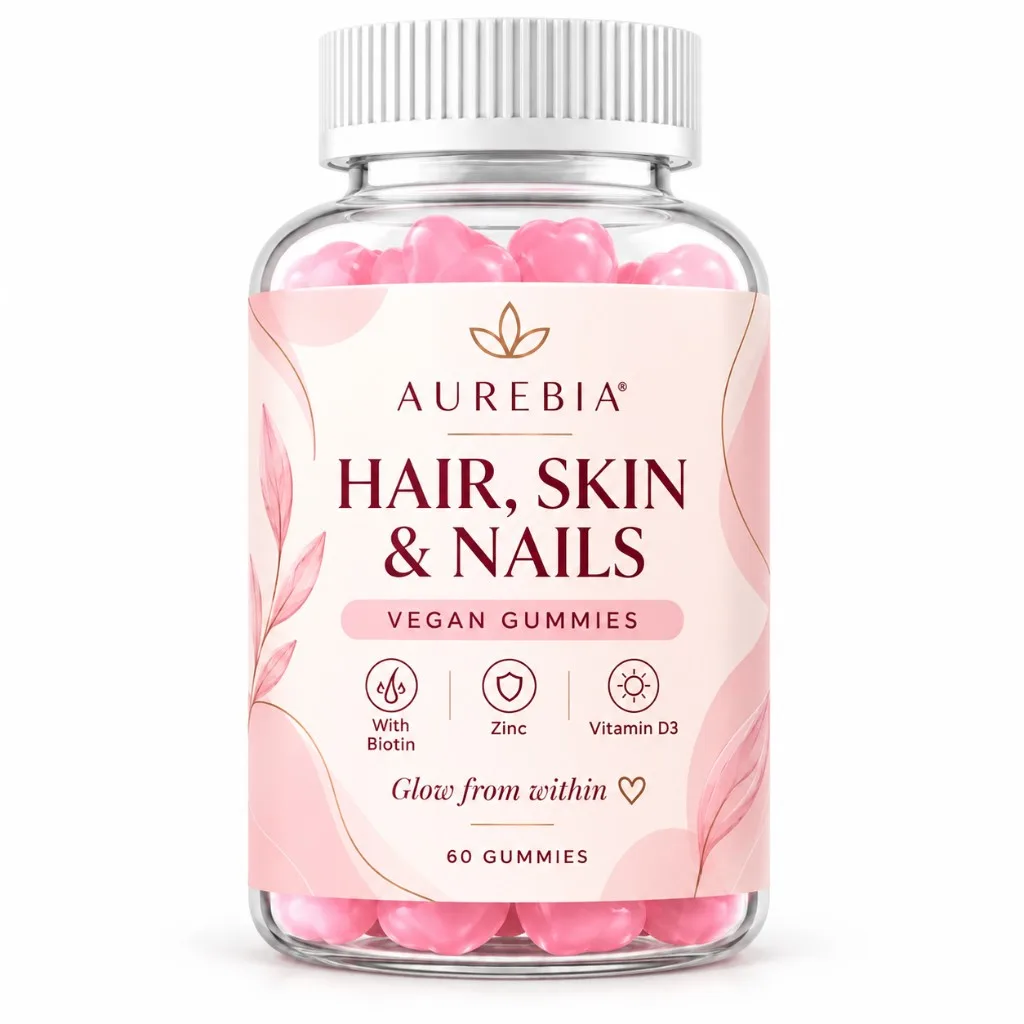
Aurebia focuses on supporting your hair, skin, and nail routine with nutrients your body needs. Each daily serving of Aurebia Vegan Gummies contains:
The suggested routine is simple: take one gummy in the morning and one in the evening. Each 90-day introductory order includes three bottles and does not create a subscription unless you choose one later. See all details at aurebia.health/product.

There is little strong evidence that biotin supplementation helps restore hair after cancer therapy. It can also interfere with lab tests, so consult your doctor before use, especially during cancer care.
New research in dermatology patients found that zinc supplementation did not reduce serum copper in the study group. If you have concerns, talk to your healthcare provider.
Zinc contributes to the maintenance of normal hair, skin, and nails. Biotin and vitamin D3 are also involved in body processes, but individual needs vary.
If you notice persistent, unusual, or changing skin or scalp nodules, it's wise to consult with a dermatologist to rule out rare conditions or other problems.
If you're curious about the right steps for your hair, skin, and nail goals, Aurebia offers a short quiz to help you explore your routine. Answer a few questions and see a plan tailored to your needs: Start the Aurebia routine quiz.
4 min read · OCT 21, 2026

5 min read · OCT 20, 2026

5 min read · OCT 19, 2026