Just a moment…
Just a moment…

Shopping for hair, skin, and nail supplements can be confusing—especially when every bottle promises beauty from within. Zinc often appears on ingredient lists, but what role does it really play? If you’re checking the label, the key fact is this: zinc contributes to the maintenance of normal hair, skin, and nails. That’s not just marketing—there’s official backing behind this basic claim. But what does it mean for your daily routine, and how should you think about zinc compared to other trendy ingredients?
Among the vitamins and minerals packed into “beauty” gummies and pills, zinc stands out for an honest reason. Zinc is an essential mineral. Your body needs it in small but steady amounts to keep many processes running smoothly—including those involved in normal hair growth, skin barrier function, and nail strength. This isn’t just a passing trend; zinc’s contribution to the maintenance of normal hair, skin, and nails is recognized by nutrition authorities in both Europe and the United States. That’s why you’ll see this statement allowed on supplement packaging.
But what does “maintenance of normal” mean? It means zinc is necessary for the biological upkeep of healthy tissue—not that it prevents every issue or restores lost hair. If you get enough zinc from food or supplements, your body can keep your hair, skin, and nails functioning the way they should.

Where zinc really matters is when people develop a deficiency. Low zinc status can lead to skin irritations, brittle or white-spotted nails, and even increased hair shedding. But for most healthy adults eating a balanced diet, outright deficiency is uncommon. Supplementing above your daily requirement isn’t proven to create extra-glossy hair or impossibly strong nails—claims suggesting otherwise often stray beyond the science.
It’s tempting to hope that a supplement will fix visible changes in hair or skin. However, many issues—like sudden hair loss or persistent rashes—can have complex causes. Nutrient support, including zinc, plays a role in day-to-day physiology, but pills aren’t a cure-all. If you notice dramatic changes in your hair, skin, or nails, speak with a healthcare professional for a thorough evaluation.
Zinc is just one of many nutrients you’ll see on the label. Biotin, for example, is another staple of hair, skin, and nails supplements. While biotin deficiency can cause brittle nails or hair thinning, most people consuming a varied diet already get enough. Recent warnings even suggest that excess biotin from supplements may interfere with some medical lab tests, especially in clinical contexts like cancer care. (You can read more about those concerns in this report from ScienceDaily.)
Some ingredients attract buzz based on animal studies or laboratory findings—such as plant compounds, special proteins, or new sunscreen technologies. For example, zinc oxide has also been studied as a mineral sunscreen ingredient, with new formulations designed to protect skin across various tones [ScienceDaily Skin Care]. While that’s a different application, it reinforces zinc’s important relationship with skin health—both from within and as a topical guard against sun damage.
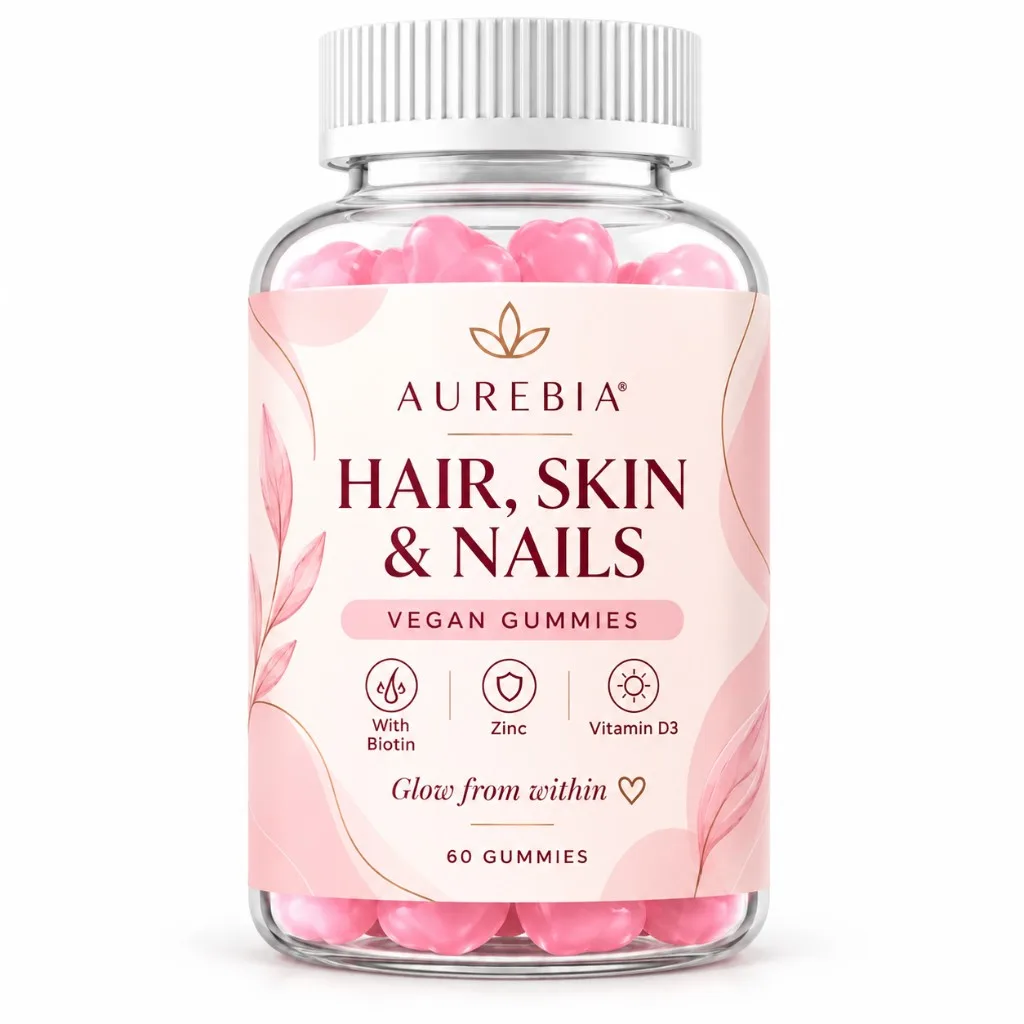
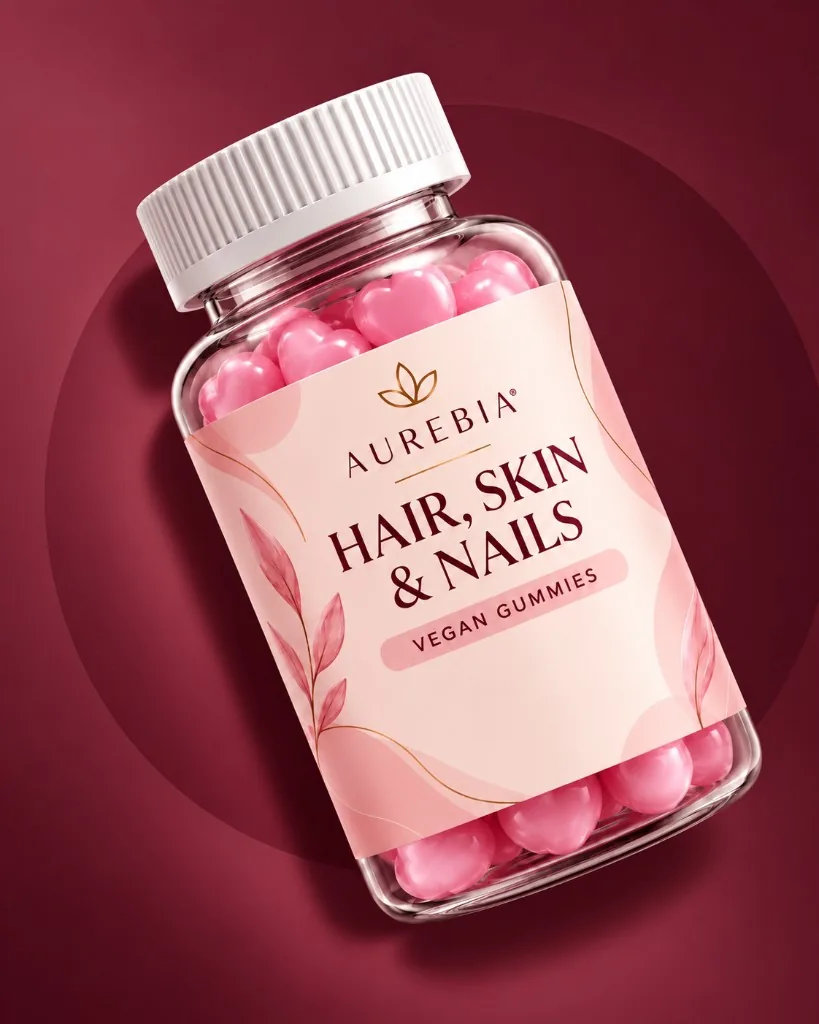
At Aurebia, we’re committed to transparent labeling and evidence-based routines. Our Vegan Gummies contain 10 mg of zinc (as citrate) per daily serving, along with biotin and vitamin D3. The routine is simple: one gummy in the morning, one in the evening. It’s a straightforward way to support your daily intake of these key nutrients—without grandiose promises.
Aurebia’s label reflects only what is established: zinc contributes to the maintenance of normal hair, skin, and nails. We won’t tell you it’s a miracle cure, but we’re confident in our formula’s role within a balanced wellness plan. Your initial 90-day order includes three bottles for $99, with no automatic subscription. Learn more here: /product
Zinc has a legitimate place on supplement labels for healthy hair, skin, and nails. Look for honest claims—those that reflect established nutrition science, not wishful thinking. If you ever feel lost among the many bottles and promises, focus on what is truly required for normal maintenance, and don’t hesitate to seek professional advice if your symptoms are unusual or persistent.

Zinc contributes to the maintenance of normal hair, skin, and nails, according to recognized nutrition authorities. It’s essential for cell growth and repair in these tissues. However, supplementing beyond what your body needs is unlikely to produce extra benefits unless you’re deficient.
If your diet lacks zinc-rich foods or you’re at risk for deficiency, a supplement can help maintain normal hair, skin, and nails. Always check the label for dosage, and consult a healthcare professional if you have concerns about nutrient intake or symptoms.
Both zinc and biotin are involved in healthy hair maintenance. Biotin deficiency is rare but can affect hair and nails. Most evidence supports using these nutrients to maintain normal health, not to restore lost hair or produce dramatic cosmetic changes if you’re already getting enough.
Zinc supports normal nail structure, so supplementation may help if brittle nails are due to a deficiency. However, brittle nails can have many different causes. If the problem is ongoing or severe, talk to your healthcare provider.
If you want extra guidance, Aurebia offers a quick online set of questions to help match you with an appropriate routine. Find an Aurebia plan that fits your hair, skin, and nail goals here: /quiz

4 min read · OCT 21, 2026

5 min read · OCT 20, 2026

5 min read · OCT 19, 2026