Just a moment…
Just a moment…
If you’ve ever wondered what really helps maintain healthy hair, skin, and nails, you’re not alone. Many of us reach for popular supplements like biotin or zinc, hoping for stronger hair or clearer skin. But not all nutrients play the same role—and new research continues to clarify what works, for whom, and why.

One mineral that stands out in dermatology research is zinc. A newly published systematic review and meta-analysis in Nutrition Reviews reviewed the evidence linking zinc status to the severity of common inflammatory skin disorders: psoriasis, atopic dermatitis (sometimes called eczema), and seborrheic dermatitis. These conditions often trouble not just the skin, but also confidence and daily comfort.
The review confirms that zinc is essential for maintaining the skin’s barrier and for normal immune regulation. However, while researchers found that lower zinc levels often appeared in people with more severe forms of these skin disorders, it is not yet clear whether zinc supplementation improves symptoms for everyone. The evidence is still being gathered, and no definitive benefit for zinc supplementation has been proven for these inflammatory skin conditions in the general population.
Still, it’s well-established that zinc contributes to the maintenance of normal hair, skin, and nails—making it a staple in many daily supplement routines.
Walk down any supplement aisle and you’ll see biotin marketed for luscious hair or sturdy nails. But does the science support these claims, especially for people facing medical hair loss?
A recent report highlighted by ScienceDaily cautions that many cancer patients use biotin supplements to try to restore hair after treatment. However, experts warn there’s little evidence that biotin actually helps with cancer-related hair loss. In fact, high doses of biotin can interfere with blood tests, sometimes distorting important results that doctors rely on during cancer care. This can create real risks by masking changes in the body that need prompt attention.
If you’re considering a biotin supplement, especially if you have a medical condition or are undergoing lab testing, it’s smart to let your healthcare team know. Biotin is important for health, but more isn't necessarily better for everyone—especially when it comes to restoring hair after illness.

Most bumps or nodules on the scalp are harmless, but sometimes, they can point to underlying genetic conditions. A new case described in Clinical and Experimental Dermatology involved a woman with multiple skin-coloured nodules on her scalp, temple, and eyebrow. A closer look revealed these were related to CYLD cutaneous syndrome, a rare inherited disorder marked by specific non-cancerous skin tumors. While this condition is uncommon, it reminds us that ongoing or unusual changes in the scalp or skin should always be assessed by a doctor, especially if you notice new lumps, bumps, or persistent symptoms.
Modern science is also taking a closer look at ancient traditions. According to ScienceDaily, the root Polygonum multiflorum—used in Chinese medicine for centuries—is now being studied for its effects on hair health. Laboratory studies suggest this herb might block certain hormones, activate hair-growth signals, and protect hair follicles. However, these findings are early and mostly from lab models. They haven’t yet translated into proven benefits for hair regrowth in people, and Polygonum multiflorum is not without its safety concerns, especially at high doses or with long-term use.
If you’re curious about herbal approaches, always discuss new supplements or remedies with your healthcare provider, particularly if you have underlying medical issues or take prescription medicines.
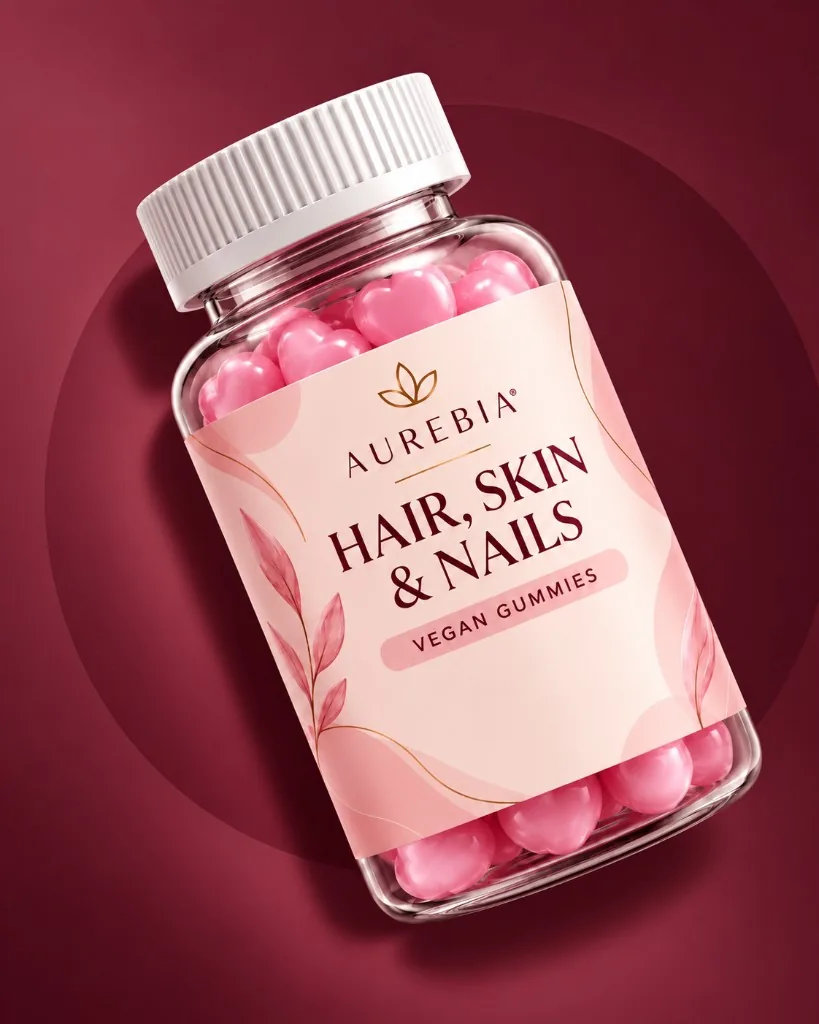
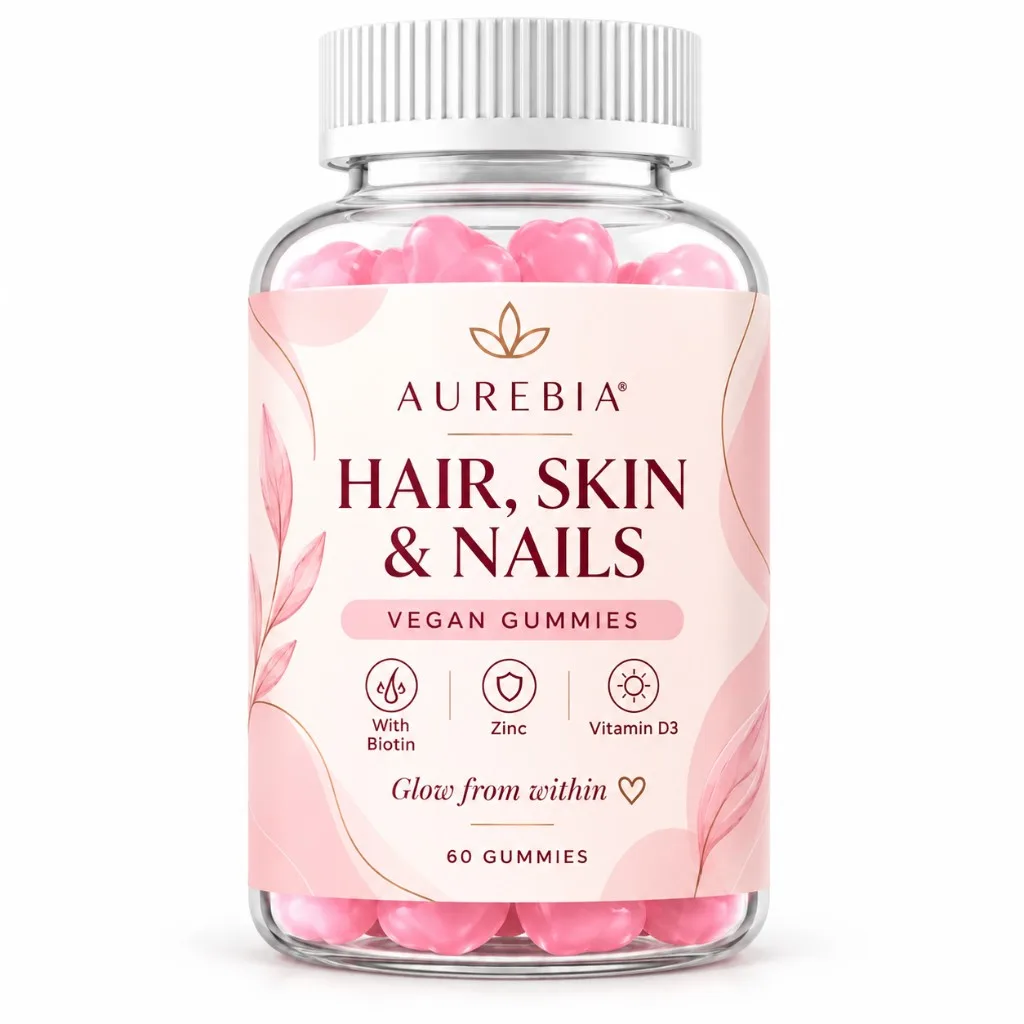
At Aurebia, we focus on the nutrients that are scientifically recognized for their role in maintaining normal hair, skin, and nails. Our vegan gummies provide:
The recommended routine is simple: one gummy in the morning and one in the evening. Each 90-day order includes three bottles (a total of 180 gummies) for $99 as a one-time payment—no automatic subscriptions for the first 90 days. You can read more about our product here: /product.

Research shows that people with severe inflammatory skin conditions often have lower zinc levels, but it’s not yet clear if zinc supplementation improves symptoms for everyone. Zinc does contribute to the maintenance of normal skin.
There’s little evidence that biotin helps restore hair lost due to cancer therapy. Talk to your doctor before taking biotin, as it can affect lab test results.
If you notice persistent or unusual changes—like new nodules—see a healthcare professional. Some rare genetic syndromes can cause skin tumors, but most lumps are benign.
The herb is being researched, but its safety and effectiveness for hair growth in people aren’t well established yet. Discuss any herbal supplement with your healthcare provider before trying it.
If you want to know which Aurebia routine best matches your hair, skin, and nail goals, answer a few questions with our quick quiz here: /quiz.

4 min read · OCT 21, 2026

5 min read · OCT 20, 2026

5 min read · OCT 19, 2026