Just a moment…
Just a moment…
If you’ve ever scrolled through social media for beauty tips, you’ve likely seen big promises about vitamins for flawless skin and thick hair. But can the right supplement actually help, or is the truth more complicated? Whether you’re curious about zinc for irritated skin, biotin for thinning hair, or viral skincare hacks, here’s what new research and reports reveal—and what you should know to make informed choices.
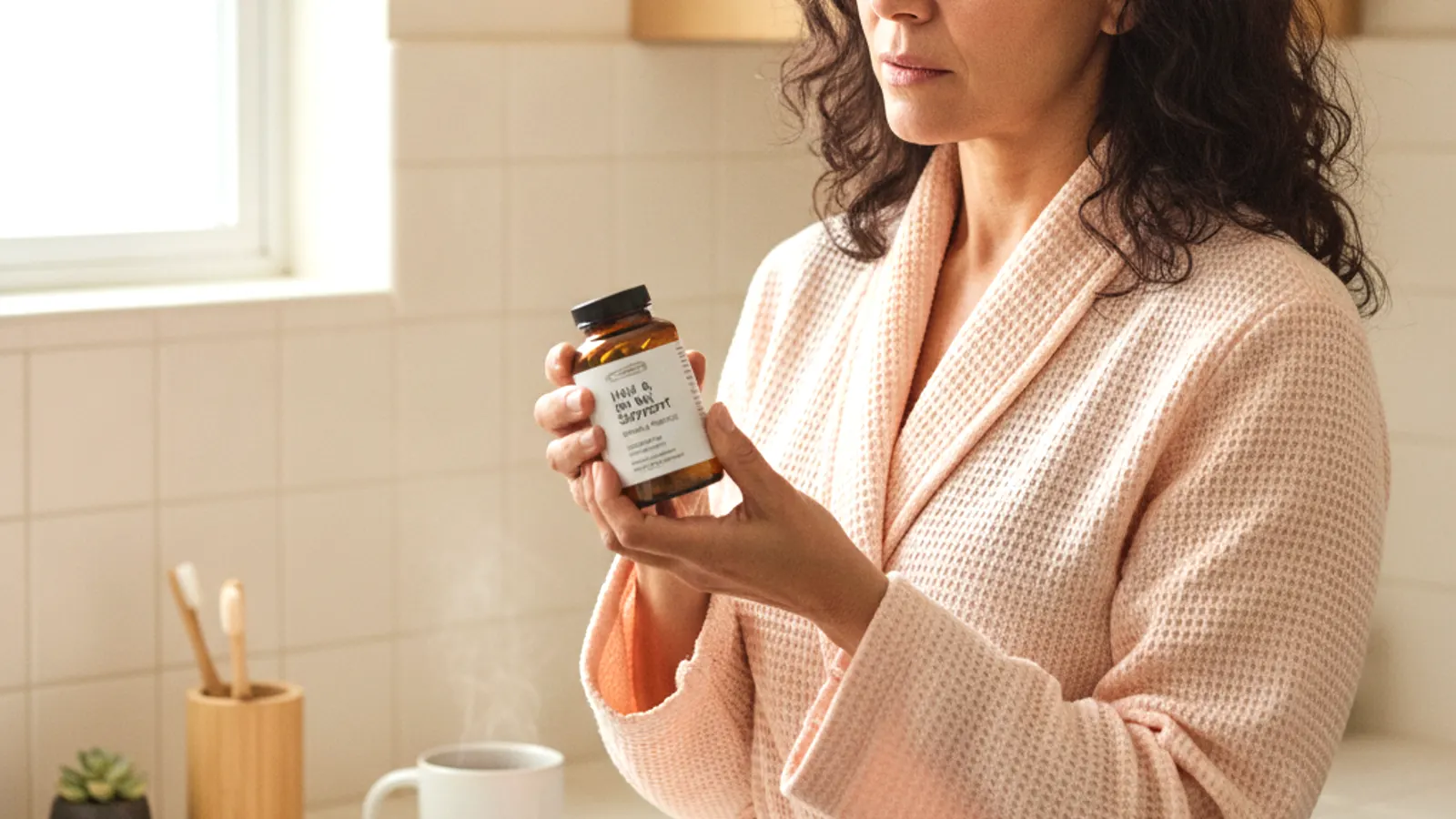
Zinc is an essential mineral, involved in many roles in the body—including immune function and skin barrier strength. But how does it relate to common inflammatory skin conditions like psoriasis, atopic dermatitis (also known as eczema), and seborrheic dermatitis?
A new systematic review and meta-analysis published in Nutrition Reviews gathered evidence on zinc status in people with these skin conditions. The researchers looked at links between zinc levels and clinical severity, and evaluated whether zinc supplementation actually improved symptoms.
They found that zinc is indeed important for healthy skin barrier function and immune regulation—something dermatologists have long recognized. However, the report highlights that the evidence for zinc supplementation directly improving these skin diseases is still uncertain. While some studies suggest people with severe inflammatory dermatoses may have lower zinc levels, we don’t yet have strong proof that taking extra zinc will relieve symptoms in everyone.
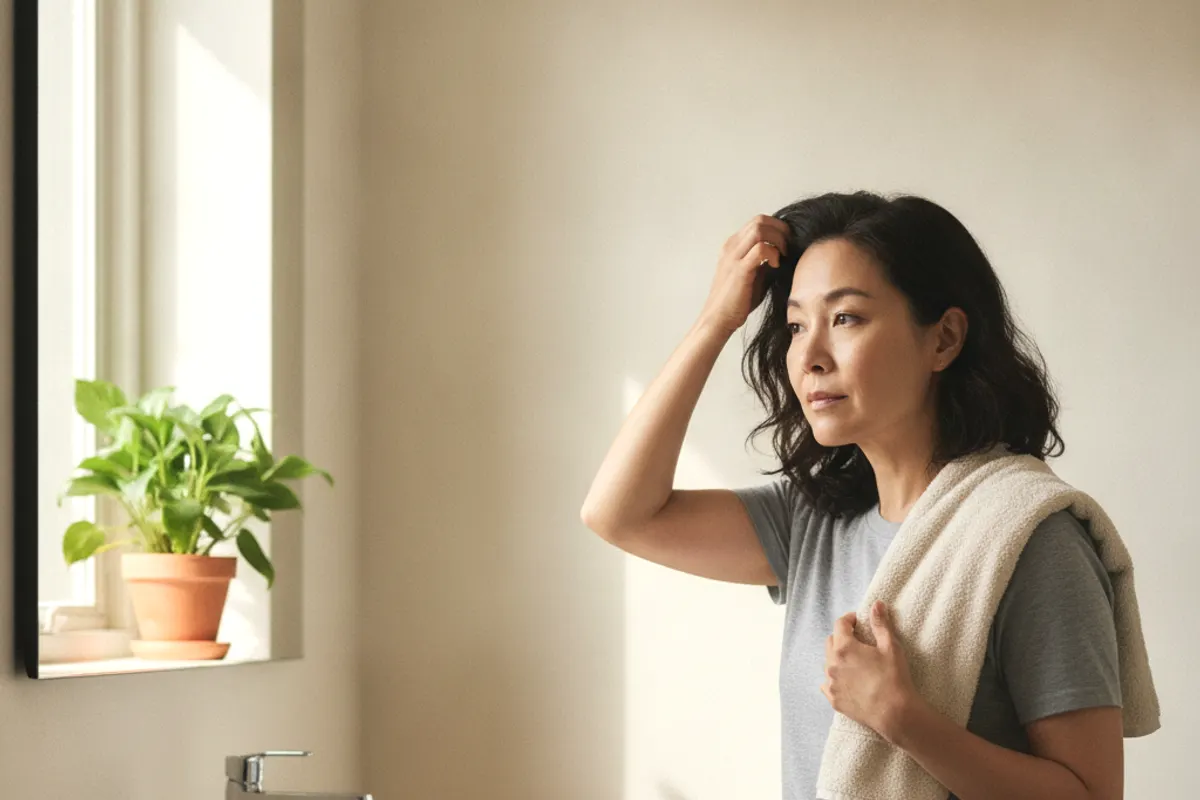
If you search online for hair regrowth remedies, biotin is everywhere—especially for those coping with hair loss from medical treatments. But recent warnings suggest consumers need to be careful, especially if they’re undergoing cancer care.
According to a new report highlighted by ScienceDaily, many cancer patients hope biotin will help restore hair lost during treatment. However, experts stress that there’s little evidence biotin makes a difference for hair regrowth in this setting. More importantly, high-dose biotin supplements can interfere with certain lab tests, sometimes distorting crucial blood markers used in cancer monitoring. This interference could potentially mask important signs or complicate care.
The bottom line: Biotin isn’t a miracle solution for cancer-related hair loss, and anyone taking supplements (biotin or otherwise) should always inform their healthcare team—especially before lab work.
It’s not just supplements that deserve scrutiny. Social media has become a wildfire of “glass skin” tutorials, Korean beauty routines, and supposed miracle fixes. A recent study, reported by MedicalXpress, found that almost 95% of viral Korean skincare and “glass skin” TikTok videos contained at least one misleading claim—while leaving out basic safety information. This means that most popular skincare content on these platforms doesn’t give a balanced or accurate picture.
This doesn’t mean all online tips are harmful, but it’s a good reminder: the internet is full of hype. Always check the source before starting a new supplement or skincare routine.
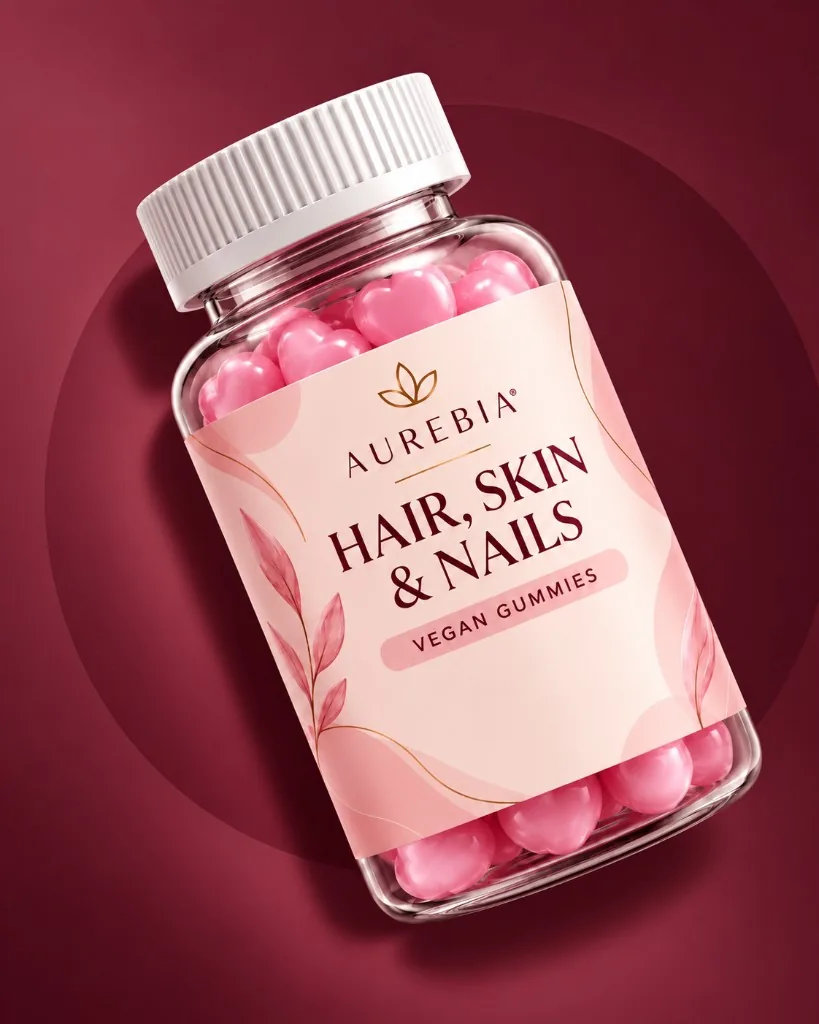
If you’re seeking a simple way to build essential nutrients like zinc into your daily routine, Aurebia Vegan Gummies offer one option. Each daily serving includes:
Among these nutrients, zinc is the only one that, at the provided amount, can be said to contribute to the maintenance of normal hair, skin, and nails.
The recommended routine is one gummy in the morning and one in the evening. An introductory order contains three bottles (a 90-day supply) for $99, with no automatic subscription. You can learn more or order at aurebia.health/product.
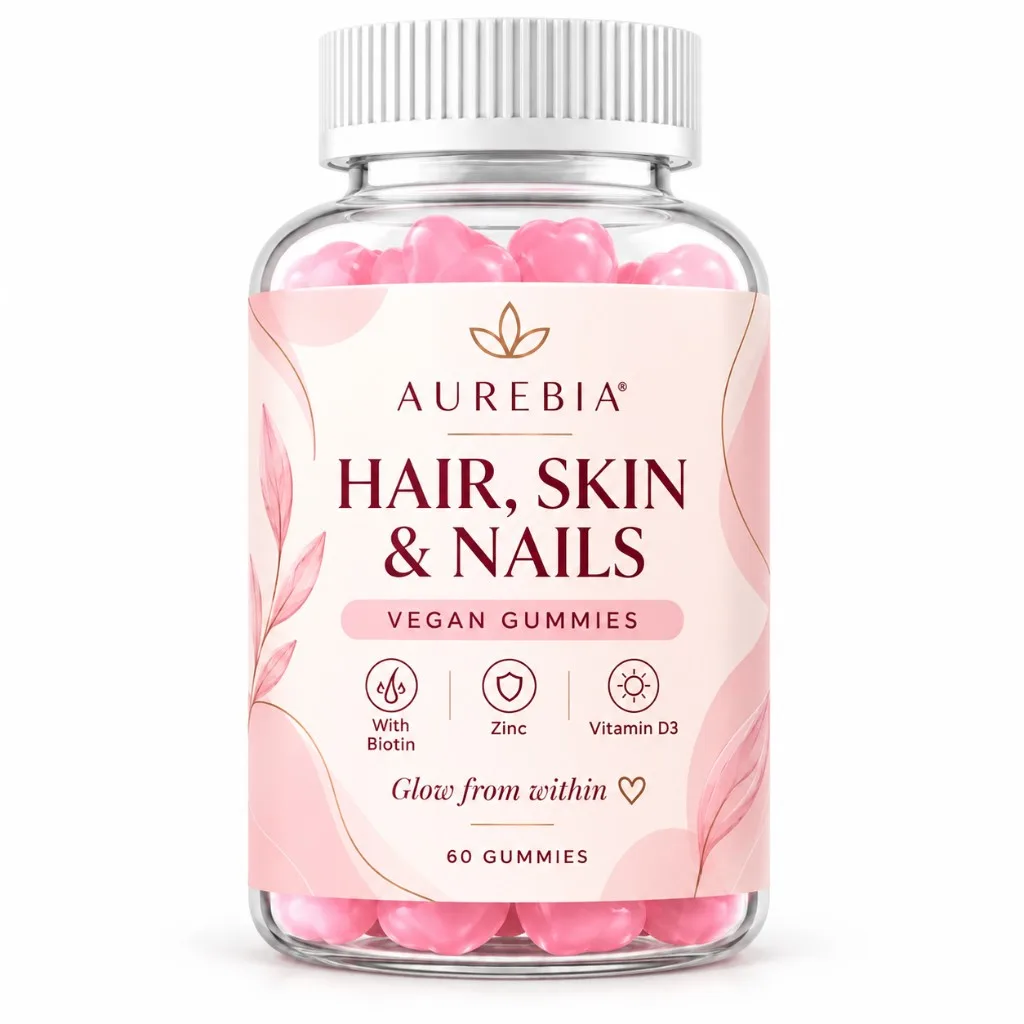
Zinc supports normal skin structure, and some people with severe inflammatory skin conditions may have lower zinc levels. Whether zinc supplements improve these diseases isn’t yet clear unless a deficiency is present. Always speak to your healthcare provider if you have concerns about skin health.
There’s no strong evidence that biotin helps with cancer-related hair loss. Biotin can also interfere with lab tests, so it’s important to discuss supplement use with your doctor—especially during cancer care.
Zinc contributes to the maintenance of normal hair, skin, and nails when consumed at adequate levels.
Look for advice from qualified dermatologists or evidence-based sources. Viral social media claims are often exaggerated or omit important safety information.

Curious how to get started? Answer a few quick questions and see which Aurebia routine matches your hair, skin, and nail goals: take the quiz here.

4 min read · OCT 21, 2026

5 min read · OCT 20, 2026

5 min read · OCT 19, 2026